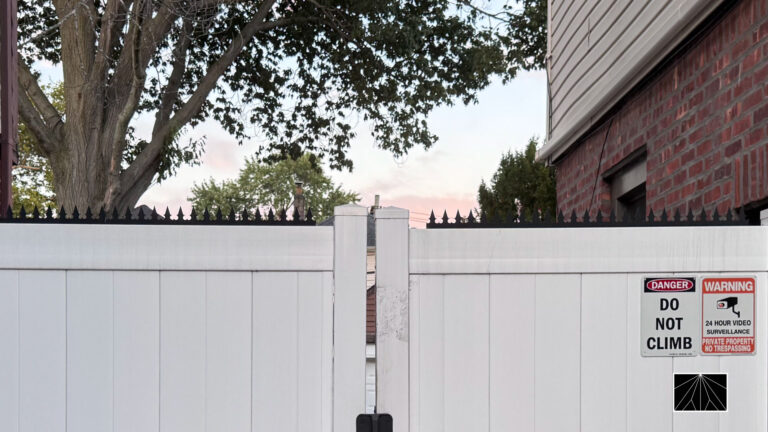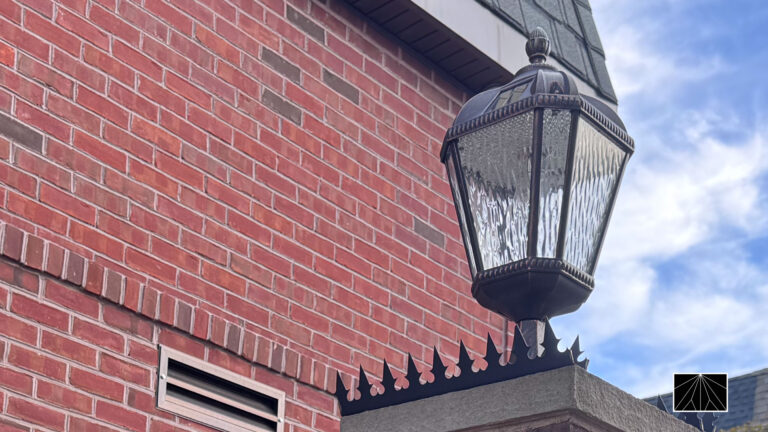

Gothic Case Study: New York Graffiti Meets Perimeter Defense
New York streets are built on contrasts—historic brick, steel fire escapes, loud color, and hard edges. This project takes that energy and uses it: a low block wall that could easily become a foothold was upgraded with Gothic (Black), creating a clear “no-grip, no-step” boundary while staying visually aligned with the neighborhood’s graffiti culture.

Project Overview
A sidewalk-facing storefront had a low masonry/block wall at the frontage—exactly the kind of element that can become an unintended step for climbing or reaching upper frames. The goal was straightforward: remove the climb opportunity without ruining the look.
Gothic (Black) was installed along the top edge, forming a continuous deterrent line that reads clean from the street and sharp up close.
Concept: Street Art × Shadow-Line Security
The key was balance. In a city where murals and signage compete for attention, the security layer can’t look like an afterthought. Gothic’s silhouette stays minimal—more like a thin shadow-line crown than an industrial add-on—so the mural remains the main visual, while the top edge becomes unmistakably “hands-off.”

Installation Highlights
- Continuous run along the wall top to eliminate “start points”
- Low-profile black finish that blends with the storefront trim and fire escape geometry
- Foothold removal: the wall stops being usable as a step or handhold
- Aesthetic integration: the spikes don’t fight the graffiti—clean line above bold color
- Street-facing clarity: reads as deliberate design, not improvised security hardware
Project Snapshot
Location: New York City
Setting: Sidewalk storefront frontage / block wall top edge
Product: Gothic (Black)
Goal: Prevent climbing and tampering while preserving street-level aesthetics
Notes: In high-traffic urban areas, the best deterrent is the one that looks intentional—quiet from a distance, decisive up close.