
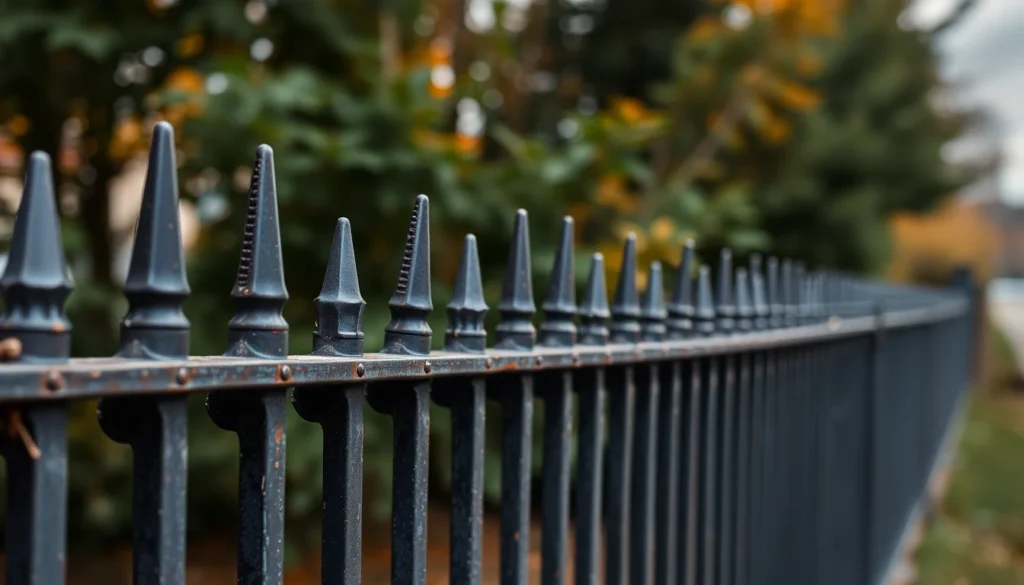
Enhancing Home Security: The Comprehensive Guide to Installing Security Spikes on Fences and Walls in 2025
Published: 12/16/2025
Introduction
In today's security-conscious climate, homeowners increasingly seek effective protective solutions. As 2025 progresses, security spikes on fences and walls have gained traction as a popular choice for enhancing home security. This guide covers the benefits of security spikes, along with the types available, installation steps, and important considerations before getting started.
Why Install Security Spikes?
Security spikes function as both physical barriers and psychological deterrents against intruders. The key reasons to consider installing them include:
- Deterrence: The visible presence of spikes signals that the property is protected, discouraging potential intruders from targeting it.
- Cost-Effectiveness: Compared to high-performance cameras or alarm systems, security spikes are relatively affordable while still delivering reliable deterrence.
- Low Maintenance: Once installed, spikes generally require minimal upkeep. Most products are designed for outdoor environments and hold up over the long term.
- Aesthetic Appeal: Modern designs have made it possible to add security without compromising a home's exterior appearance.
- Property Value: Enhanced security can make a property more attractive to potential buyers, potentially contributing to increased value.
Types of Security Spikes
Selecting the right type for your property is key to maximizing effectiveness. The main categories include:
- Plastic Spikes: Lightweight, often UV-resistant, and well-suited for residential use. Easy to install and relatively inexpensive.
- Metal Spikes: More durable than plastic, with greater deterrent value. Ideal for high-risk areas and resistant to harsh weather, though heavier and sometimes more difficult to install.
- Electric Spikes: Deliver a mild electric shock on contact. Safety regulations and local laws must be confirmed before installation, and professional setup is generally recommended.
- Decorative Spikes: Combine a security function with ornamental design. Suitable when both exterior aesthetics and deterrence are priorities.
How to Install Security Spikes
Security spikes can often be installed as a DIY project. Following these steps ensures a safe and clean result:
1. Gather materials: Spike units, adhesive or screws (depending on the product), a drill, safety gear (gloves and goggles), and a tape measure.
2. Choose installation locations: Identify the most vulnerable points -- such as the tops of walls and fences, or areas near potential footholds.
3. Measure and mark: Use a tape measure to determine spacing and mark positions with a pencil, ensuring even placement.
4. Prepare the surface: Remove dirt, sand, loose paint, or debris from the mounting surface to ensure a secure bond.
5. Attach the spikes:
- Adhesive type: Apply generous adhesive to the base and press firmly into place.
- Screw-mount type: Pre-drill holes and secure with screws.
6. Check alignment: Step back periodically to verify that the spikes are straight and evenly spaced.
7. Test stability: Gently check each section for any wobble. Re-tighten or re-bond as needed.
Critical Considerations Before Installation
Before proceeding, make sure to address the following:
- Local regulations and ordinances: Municipal codes or homeowner association rules may specify allowable heights, styles, or placement restrictions.
- Height restrictions: Excessively tall or hazardous installations may be subject to removal orders.
- Insurance implications: Some home insurance policies offer discounts for enhanced security, while others may impose conditions related to potential hazards -- confirm with your provider.
- Neighbor relations: Proactively explaining your plans can prevent disputes over appearance or safety concerns.
- Liability risks: Consider the possibility of children, pets, or workers coming into contact with the spikes. Avoid overly exposed or hazardous positioning.
Maintaining Security Spikes
Regular light maintenance ensures long-term effectiveness:
- Periodic inspections: Check for damage, looseness, or missing sections and replace as needed.
- Cleaning: Remove dirt, fallen leaves, and bird droppings. For metal spikes, also inspect for rust.
- Adhesive re-checks: Adhesive-mounted spikes may loosen over time -- periodically verify bond strength.
- Vegetation management: Keep surrounding plants trimmed so spikes remain visible and effective.
Conclusion
As 2025 progresses, installing security spikes on fences and walls is not merely a trend -- it is a practical step toward protecting your home and family. By understanding the benefits, types, and proper installation methods, and by confirming local regulations, neighbor considerations, and safety requirements, you can effectively increase your property's deterrence. With the right knowledge and preparation, you can create a more secure and peaceful living environment.