

7/24/2025
Japanese Celebrity Izumi Mori | Roof Ornament | Tokyo
A custom decorative roof ornament project for Japanese celebrity Izumi Mori in Tokyo, showcasing Ninja Deterrent aesthetic security design.
Otani Ninja Deterrent
The Quiet Legacy of Shinobi Gaeshi
Though shinobi gaeshi (忍び返し) may appear to be a familiar feature of traditional Japanese architecture, its history remains surprisingly untold. The term literally means "to repel intruders" — a phrase that might conjure images of ninja yet extends far beyond them. It refers to the discreet metal spikes or barriers installed along walls, fences, and eaves to discourage unwanted entry — an unassuming but effective element of Japan's exterior design heritage.
In reimagining this uniquely Japanese artifact for the modern age, we founded the international brand name Ninja Deterrent® — a contemporary expression of "shinobi gaeshi (忍び返し)." While the translation is literal, the intent is broader: to embody the ideal of aesthetic, non-lethal deterrence rooted in centuries of architectural wisdom.
Even within Japan, little has been written about shinobi gaeshi. According to Japan's National Diet Library, only 29 bibliographic records exist among more than 47.53 million catalogued works. By contrast, the term "manhole" appears over 1,808 times — a striking reminder of how quietly this subject has been overlooked.
Yet the philosophy behind shinobi gaeshi is both simple and timeless:
Reduce the chance of intrusion
to protect what lies within.
Throughout human history — marked by conflict, conquest, and the desire for safety — deterrence has always played a vital role. But in Japan, this instinct for protection has long been tempered by grace, balance, and a deep respect for harmony with the built environment.
From the Warring States to Edo Period (15th–18th Century)
As its name implies, Ninja Deterrent traces its root to a traditional Japanese security device created to prevent and repel intruders — whether covert agents, thieves, or other unwelcome visitors. Its origins are believed to predate Japan's Warring States period, when simple, spire-shaped iron fittings were installed on the walls and gates of castles and samurai residences. These early forms are regarded as the prototypes of what would later be known as shinobi gaeshi (忍び返し) — the quiet guardians of an age defined by vigilance and refinement.
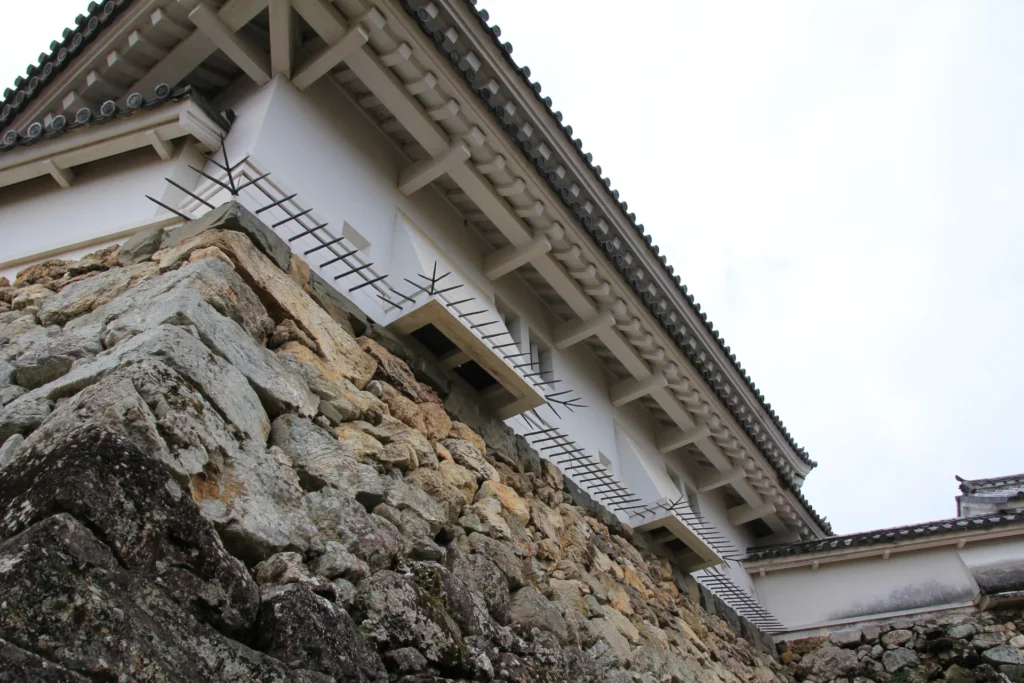
During the Edo period, shinobi gaeshi evolved beyond mere protection. Decorative forms featuring family crests and refined geometric patterns began to appear on the residences of samurai and feudal lords, merging security with artistry. Master blacksmiths forged these intricate designs, often arranging them in continuous lines along the tiled eaves of turrets — creating a balance between imposing presence and architectural grace.
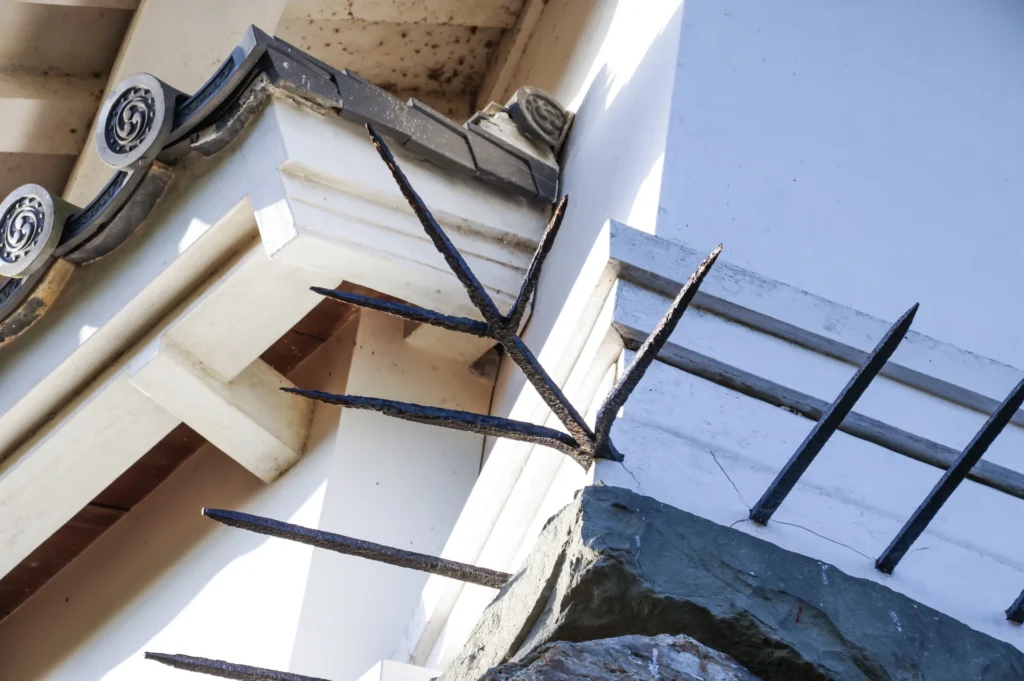
Though their silhouettes resembled sharp blades, these Edo-period deterrents embodied more than defense. They stood as symbols of dignity and refinement — quiet expressions of the prestige and discipline of the samurai class.
From the Meiji Restoration to Early Shōwa (19th–20th Century)
With the Meiji Restoration, Japan entered an age of modernization and peace. As the need for castle defense declined, shinobi gaeshi found new life in the urban landscape — gracing townhouses, merchant estates, and the homes of the affluent.
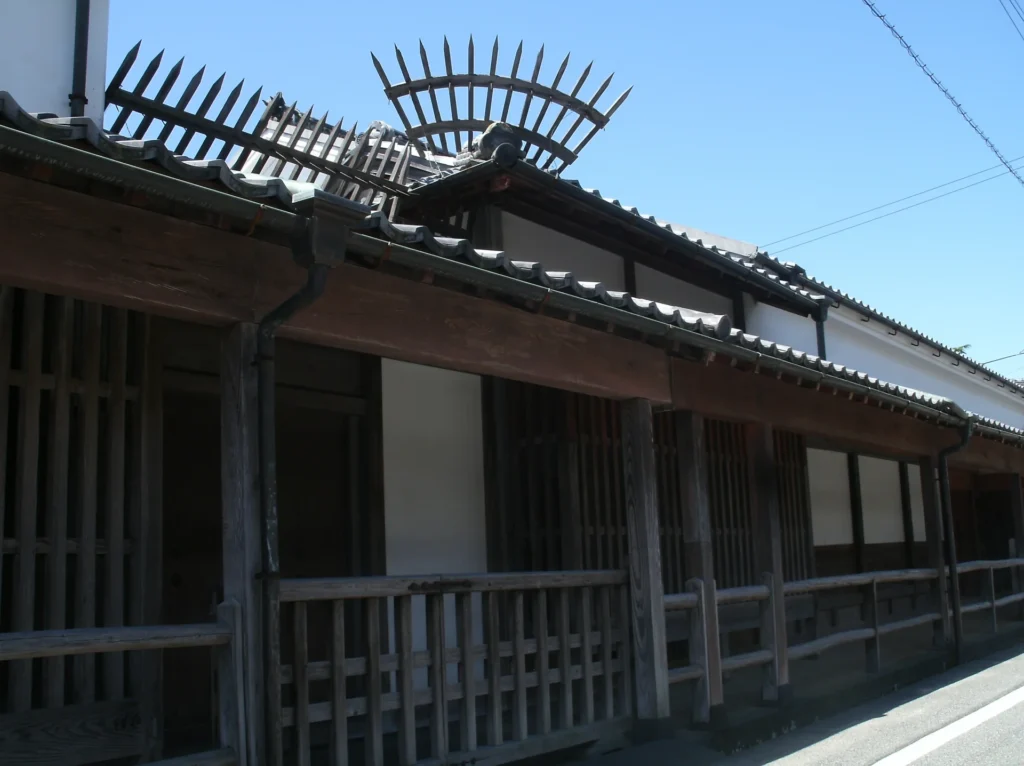
In castle towns such as Tokyo, Kyoto, and Osaka, these metalworks were installed along walls and gates as discreet elements of urban security. No longer instruments of war, they became expressions of craftsmanship and quiet dignity — functional details that blended seamlessly into the evolving cityscape, reflecting both protection and refinement.
From the Taishō period to the early Shōwa period, Japan entered an era of transformation — shaped by Western influence and rapid industrial growth. New materials and techniques, such as cast iron and pressed steel, gave rise to mass-produced designs that reflected the spirit of modernity. Amid this wave of progress, craftsmen and manufacturers began reinterpreting traditional Japanese motifs through contemporary methods. These refined yet accessible creations blended security with decoration, allowing the quiet elegance of shinobi gaeshi to reach homes far beyond the samurai class.
From the Late 20th Century to the Present
From the late Shōwa period onward, advances in materials brought new possibilities to shinobi gaeshi. The introduction of stainless steel and other weather-resistant metals greatly enhanced durability and ease of maintenance, ensuring lasting beauty through time and season.
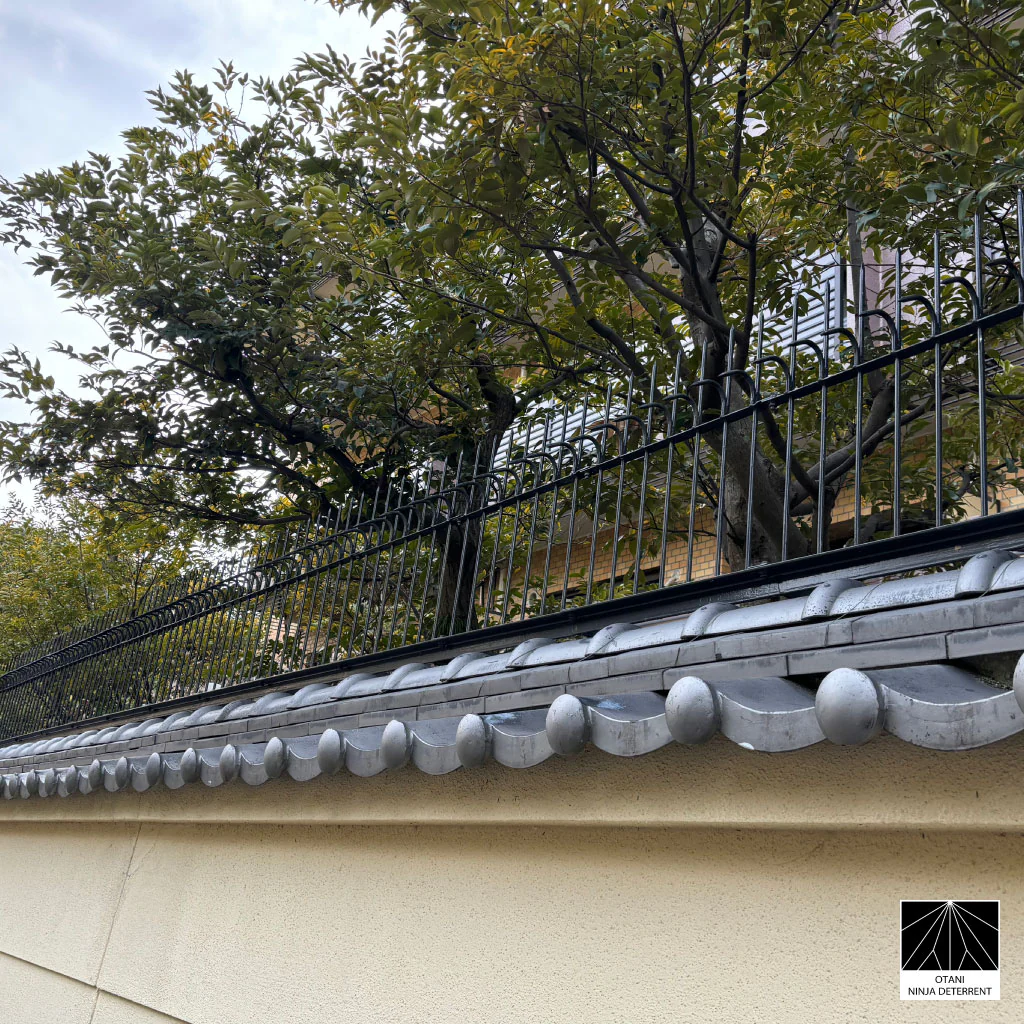
In recent decades, collaborations with architects and landscape designers have given rise to forms that transcend mere function — modern expressions that blend Japanese subtlety with Western aesthetics. What was once a quiet instrument of protection has evolved into an architectural statement: a fusion of tradition, innovation, and enduring grace.
In recent years, design approaches rooted in CPTED (Crime Prevention Through Environmental Design) theory have been embraced — integrating smart functions such as lighting, surveillance systems, and motion sensors. These advancements merge technology with the timeless principles of spatial harmony, allowing shinobi gaeshi to evolve in both form and intelligence.
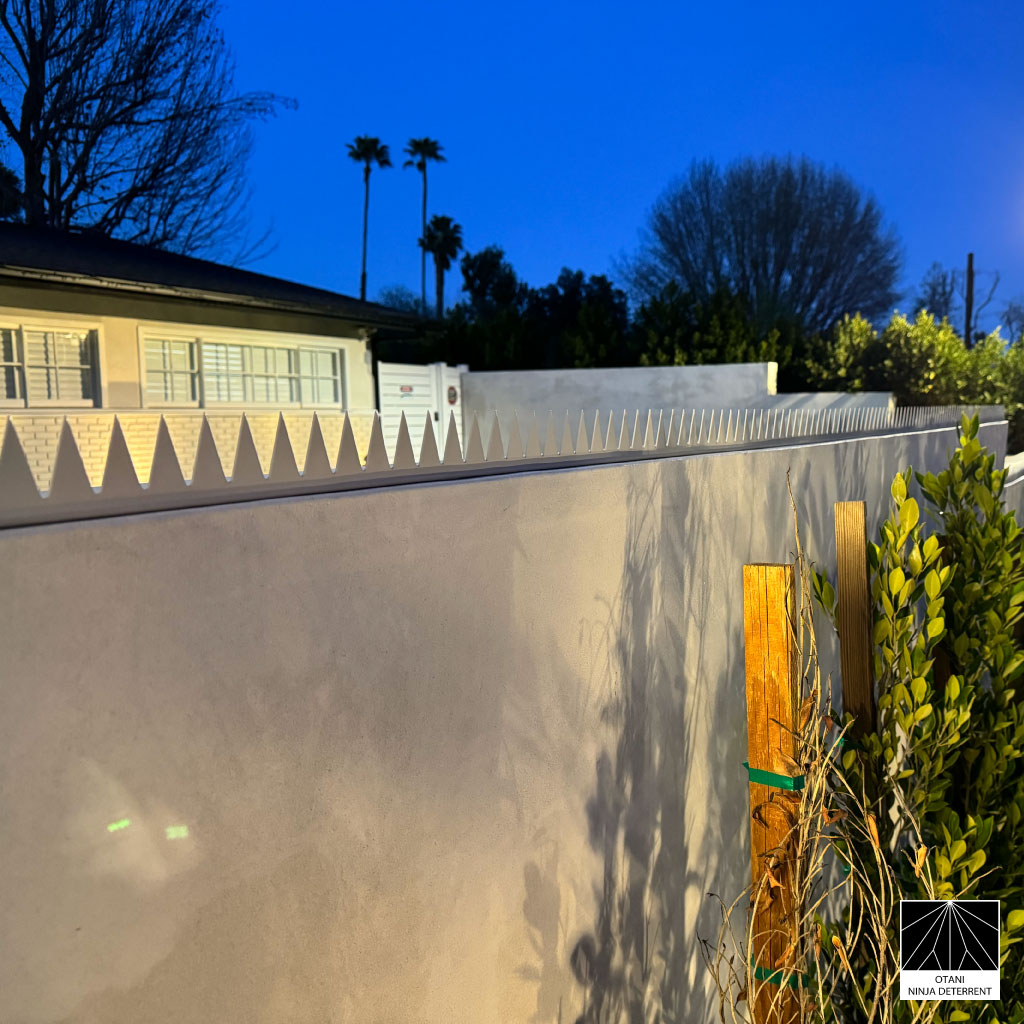
Today, this reimagined expression of Japanese security culture has begun to capture attention in luxury residential and commercial projects around the world — quietly expanding its presence as a symbol of protection refined through beauty.
Ninja Deterrent® harmoniously balances
the aesthetic appeal of "visible security"
with the practical functionality of "physical barriers."
Seamlessly integrated into architecture, it embodies the Japanese spirit of refinement, precision, and quiet strength. As it continues to evolve, Ninja Deterrent® transcends its role as a defensive element, becoming a design statement where tradition and innovation coexist in perfect harmony.
7/24/2025
A custom decorative roof ornament project for Japanese celebrity Izumi Mori in Tokyo, showcasing Ninja Deterrent aesthetic security design.
6/26/2026
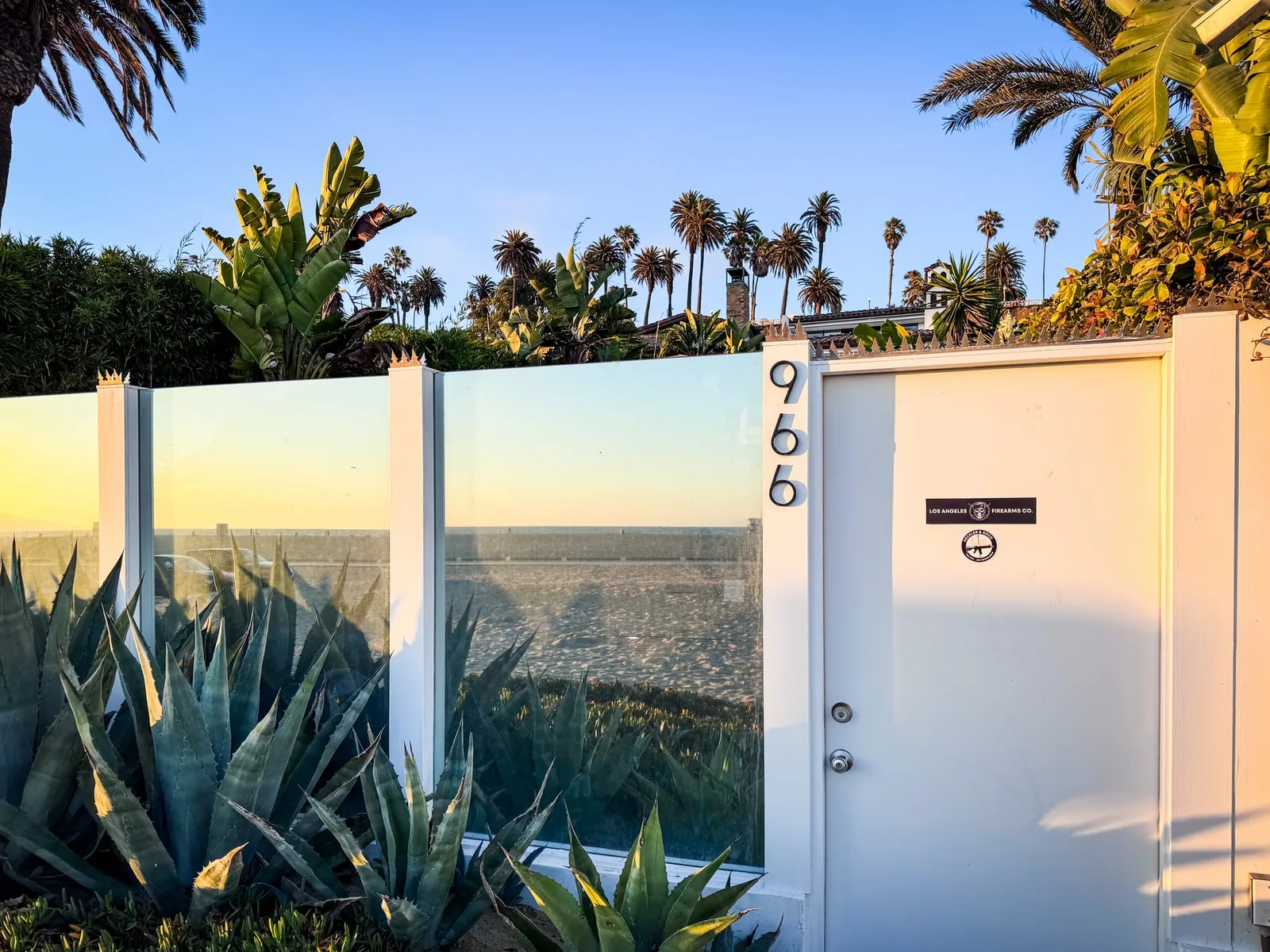
Anti-climb stainless spikes crowning a beachfront frosted-glass privacy wall and gates on the Los Angeles coast — securing an oceanfront residence without blocking the Pacific view.
6/26/2026
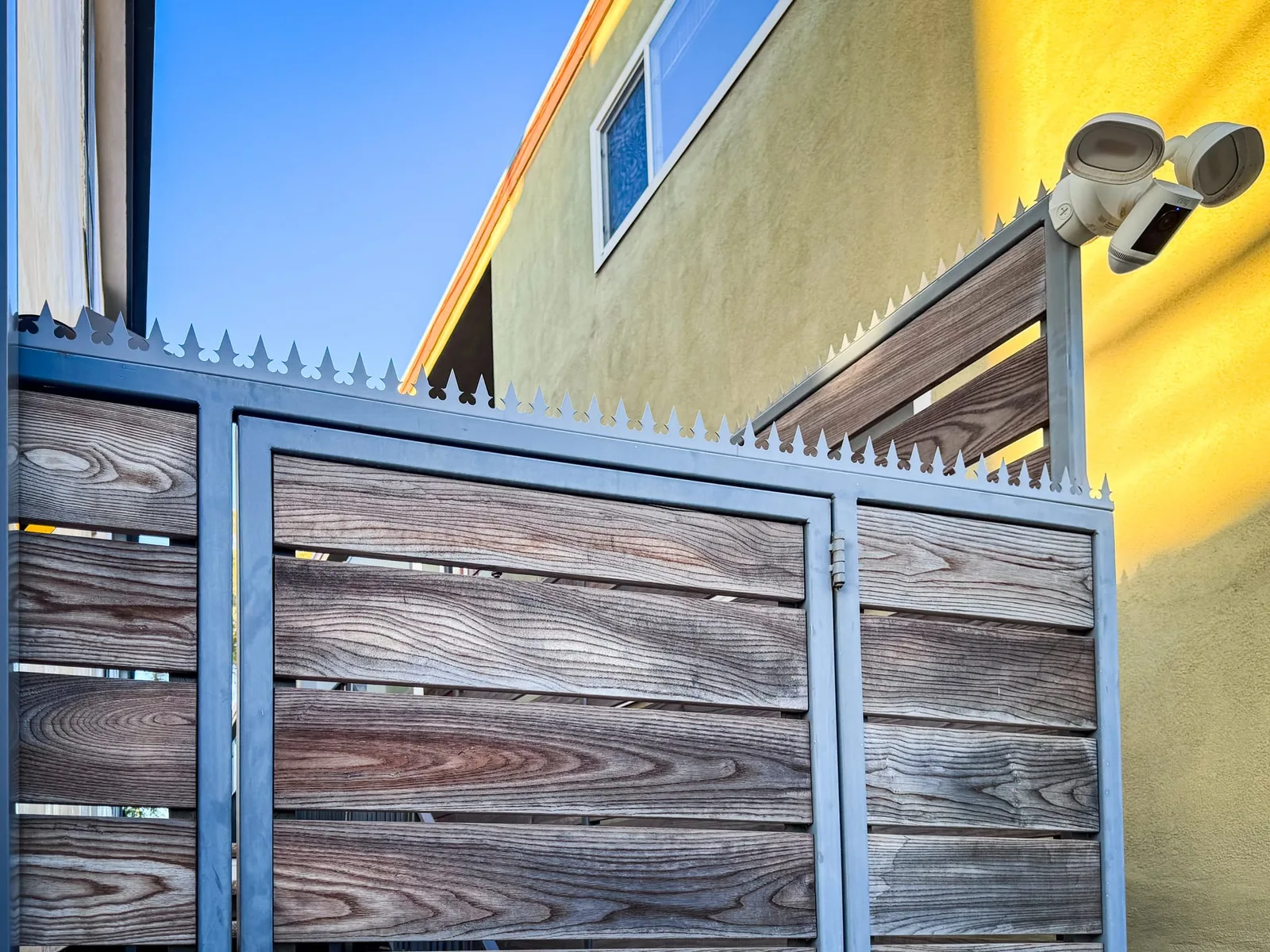
Anti-climb spikes integrated into a gray wood-slat privacy fence and pedestrian gate with custom brass accents, hardening a street-facing perimeter without losing the warm design.
6/26/2026
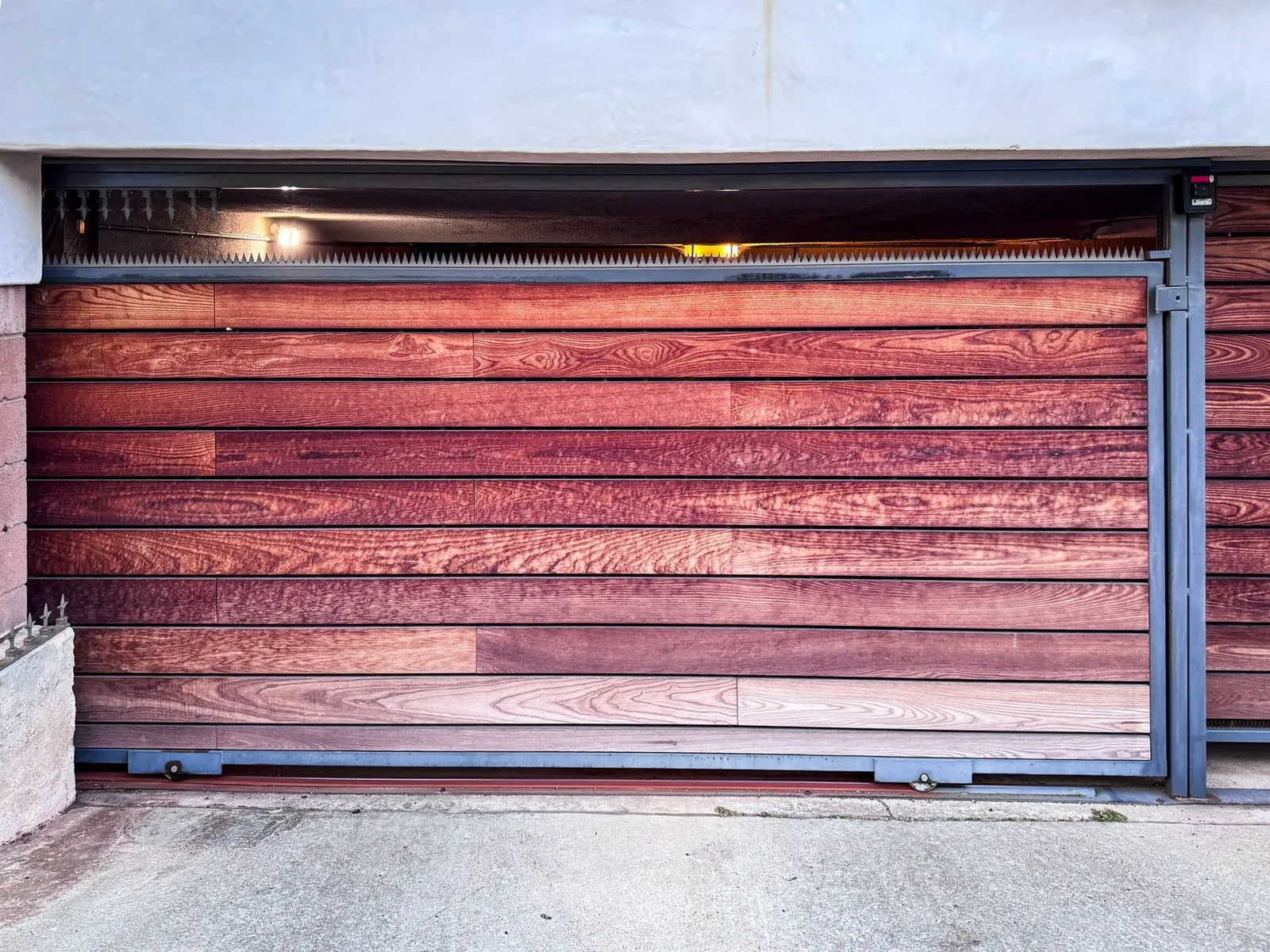
Anti-climb spikes along the full top rail of a mahogany horizontal-slat sliding driveway gate, removing the grab-and-pull climbing line while keeping the upscale wood-grain look.
6/26/2026
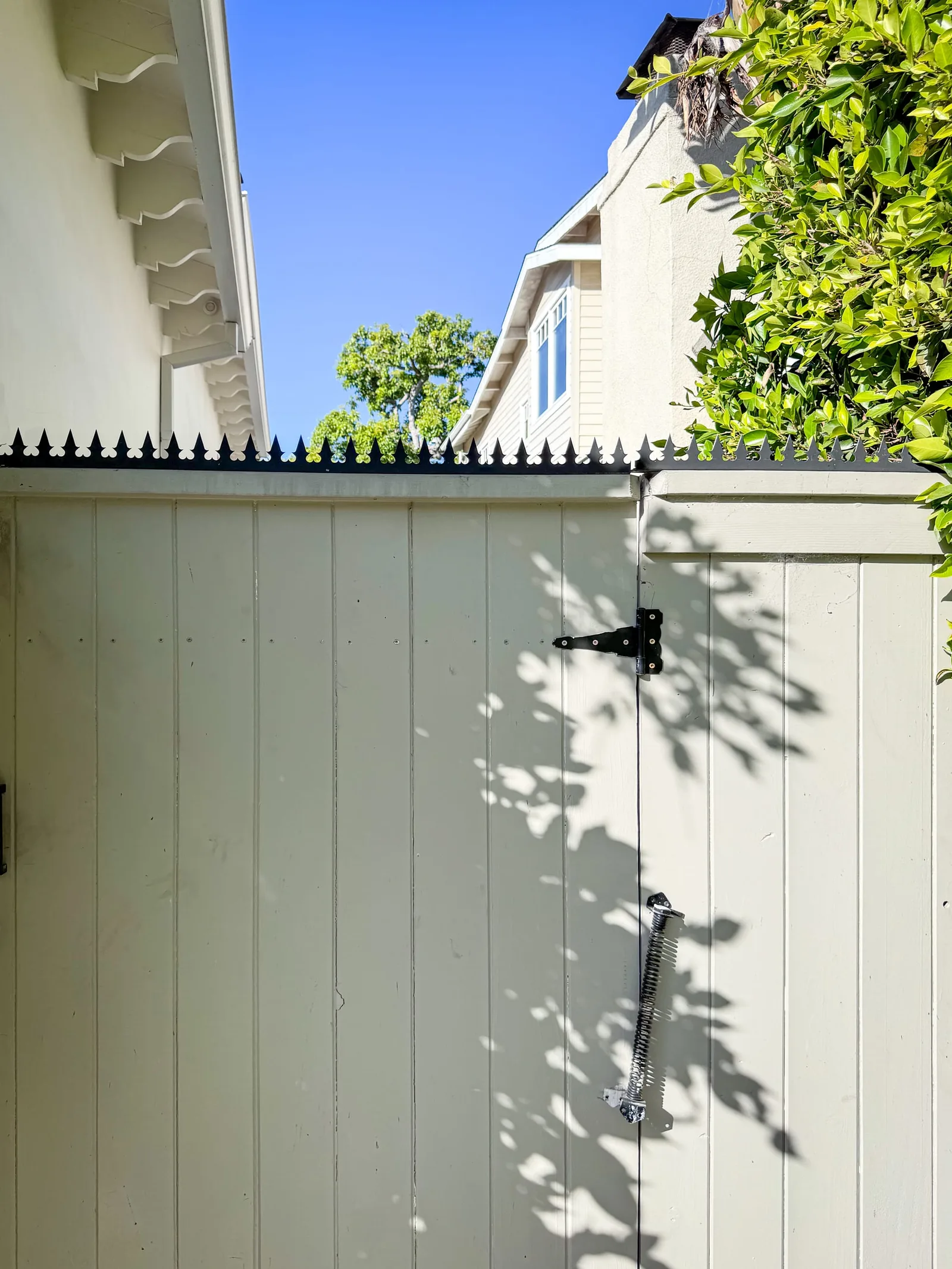
Black anti-climb spikes blended into a sage-green board fence and side gate at a cottage-style home, closing off the side-yard climb while keeping a soft, traditional look.

6/26/2026
Continuous anti-climb spikes along the full painted-concrete perimeter wall of an urban multi-unit property, with warning signage, turning a smooth privacy wall into a visible deterrent.
7/22/2026
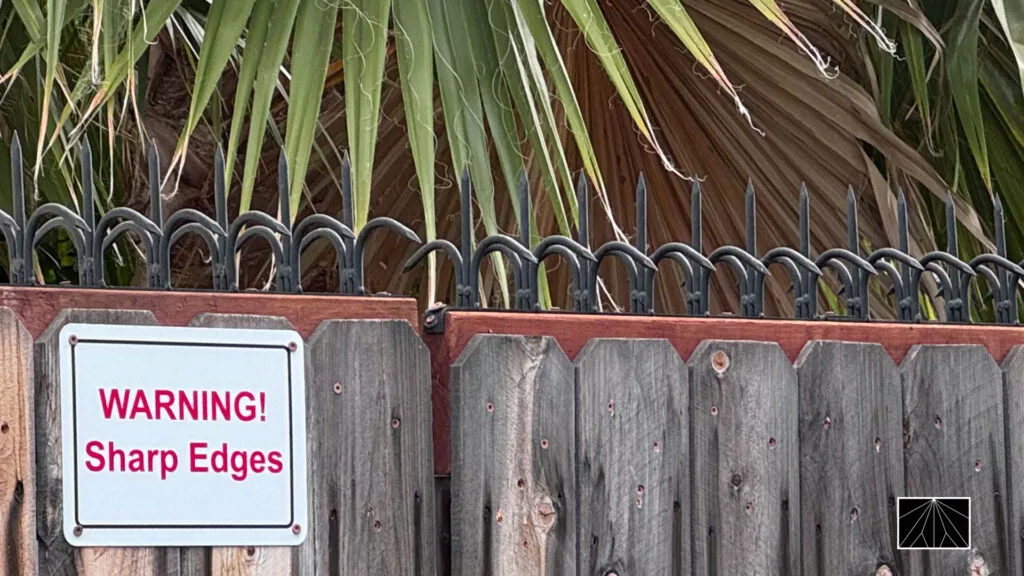
See anti-climb fencing installed across Los Angeles — Venice alleys, Laurel Canyon hillsides, Hollywood stucco coping, Santa Monica glass. Real LA jobs.
7/12/2026
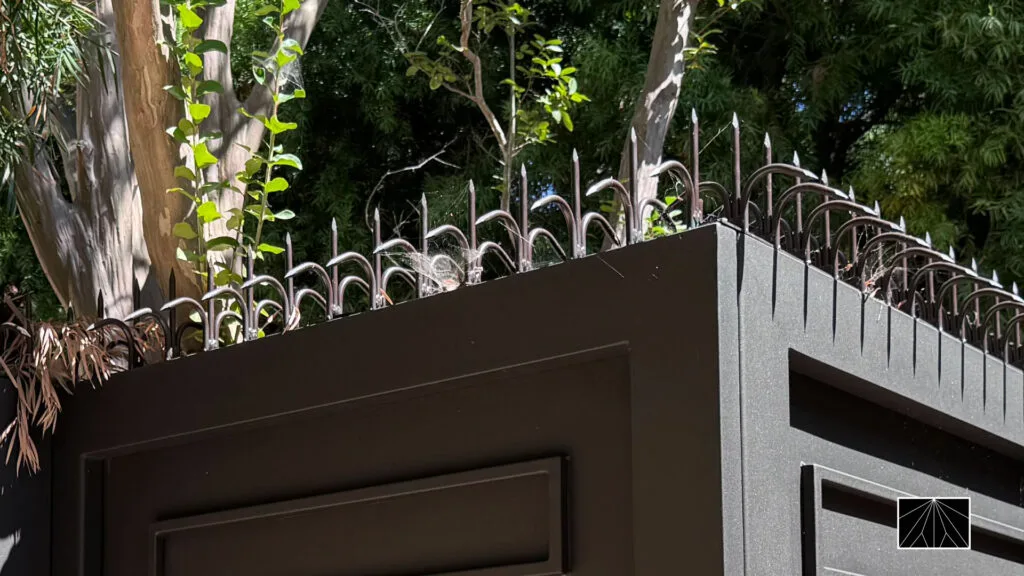
Explore anti-climb spikes for walls and fences. Compare types, materials, and aesthetics to find the best security solution, featuring premium options like Ninja Deterrent.
7/11/2026
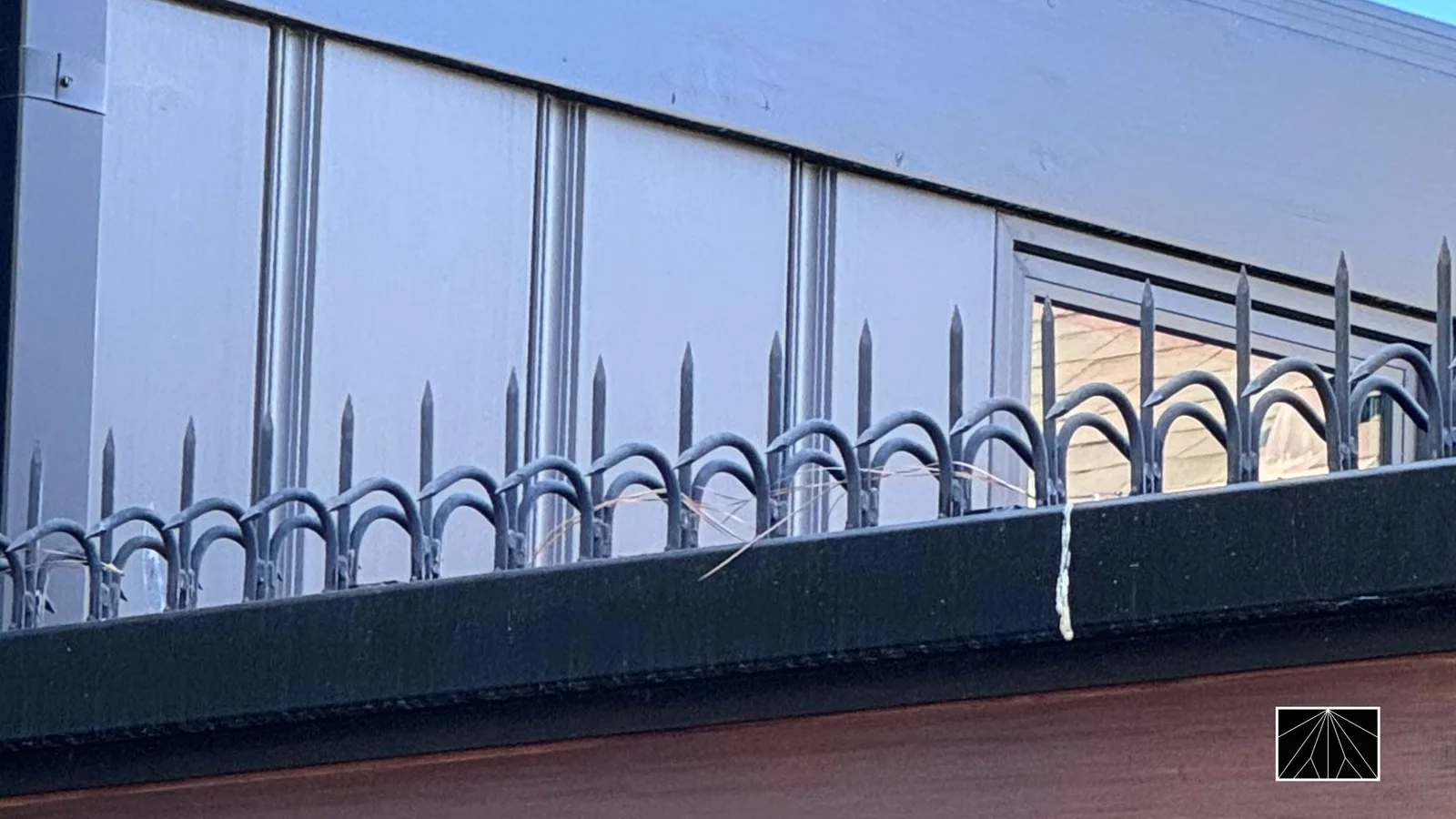
Discover how visible anti-climb deterrents, like Ninja Deterrent's architectural spikes, enhance home security beyond alarms. Learn their role in preventing burglaries.
For general inquiries about our products or consultation regarding installation, please contact us.
Schedule a free online consultation with our team. Pick a time that works for you — available slots are shown in your local time zone.