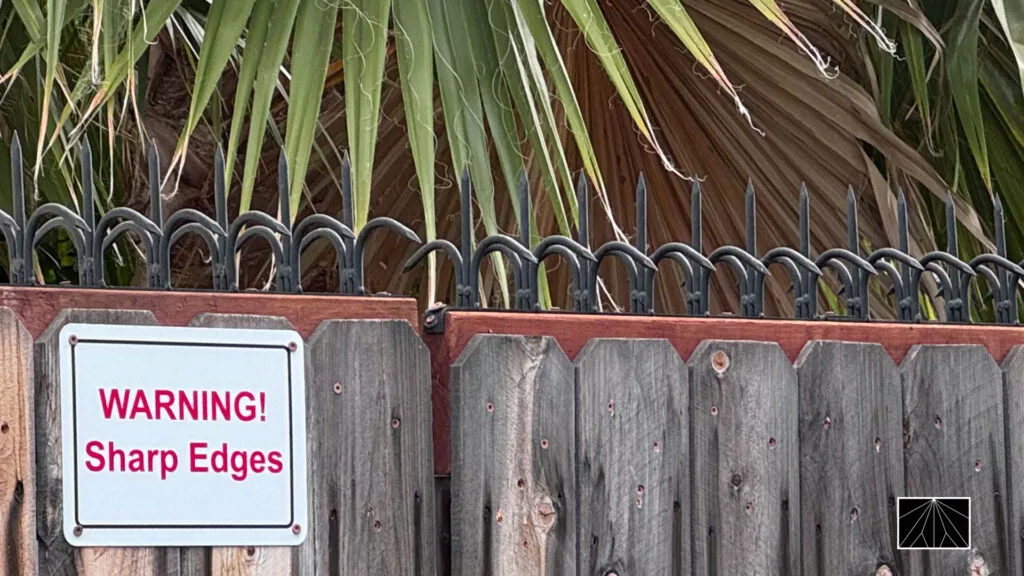
Jul 22, 2026
Anti-Climb Fencing in Los Angeles: Installed Case Studies
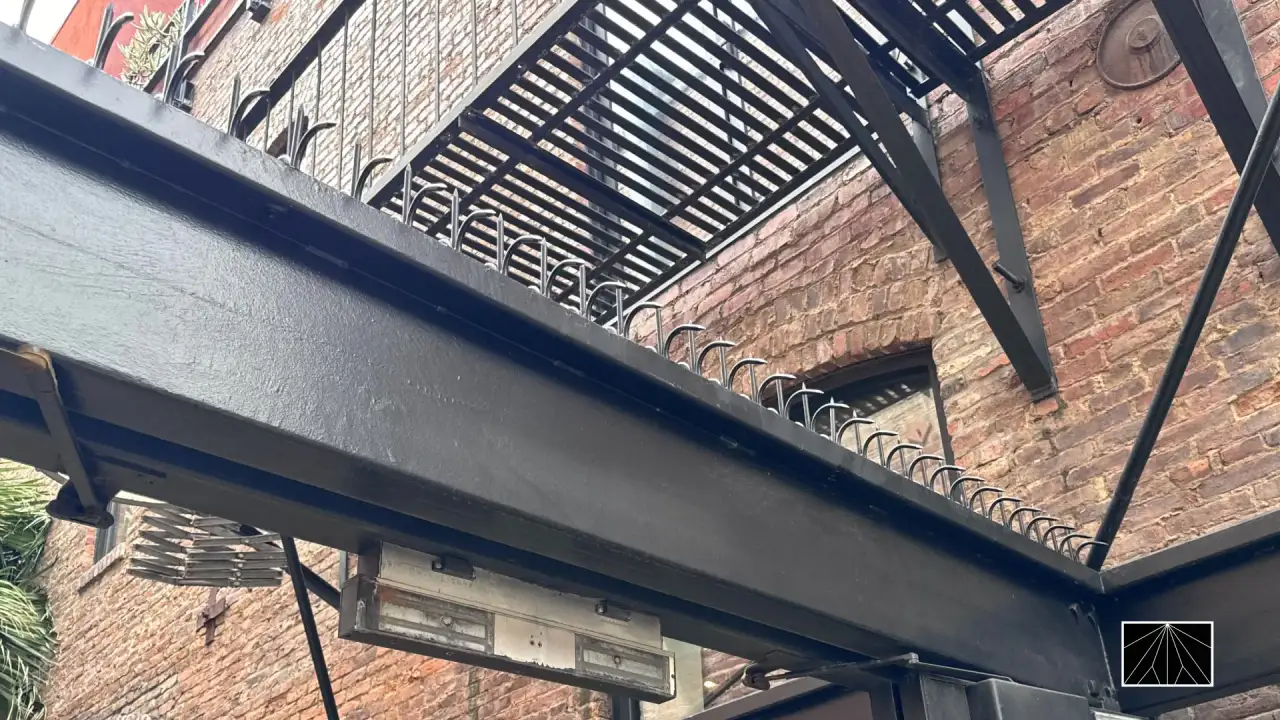
See anti-climb fencing installed across Los Angeles — Venice alleys, Laurel Canyon hillsides, Hollywood stucco coping, Santa Monica glass. Real LA jobs.
Column
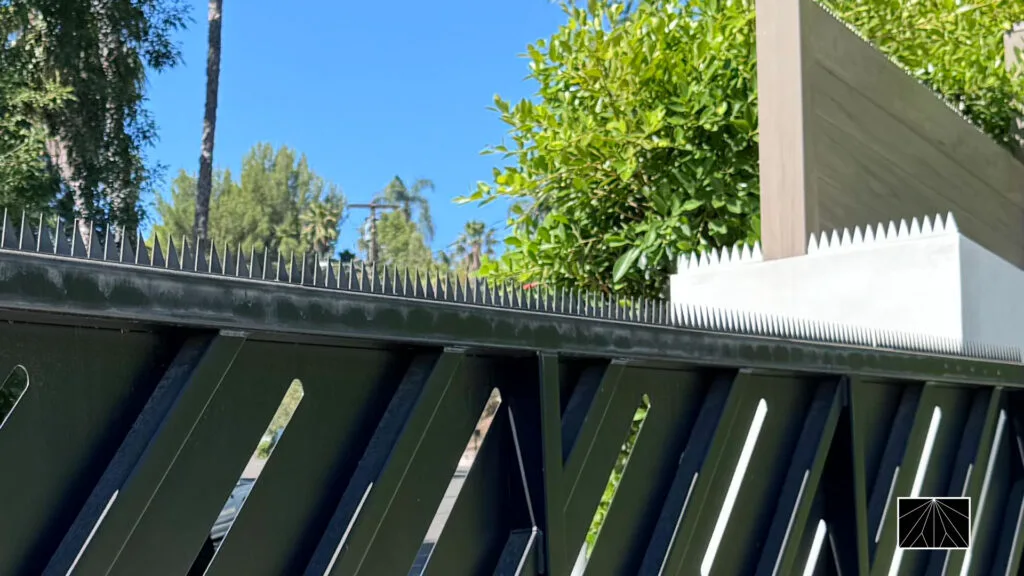
TL;DR: There is no single "best" perimeter deterrent — it depends on the balance you need between security, appearance, legality, and budget. For most homes and architectural properties, decorative anti-climb spikes offer the best all-round balance of deterrence and aesthetics while staying within residential rules. Razor wire delivers maximum raw deterrence for high-security and industrial sites but is aggressive-looking and often restricted for residential use. An electric fence is highly effective where permitted, but it is heavily regulated, costly to run, and usually overkill for a typical home.
For a home or any property where appearance and local rules matter, decorative anti-climb spikes are usually the best choice — they physically and psychologically deter climbers while blending with the architecture and remaining legal on private property (installed high enough, with signage). Razor wire wins on pure, low-cost deterrence for prisons, depots, and industrial perimeters, but its prison-yard look and injury risk make it unsuitable — and frequently unlawful — for residential frontages. An electric fence offers strong deterrence where it is permitted, yet it demands a compliant energizer, warning signage, ongoing power, and often planning permission, which puts it out of proportion for most houses.
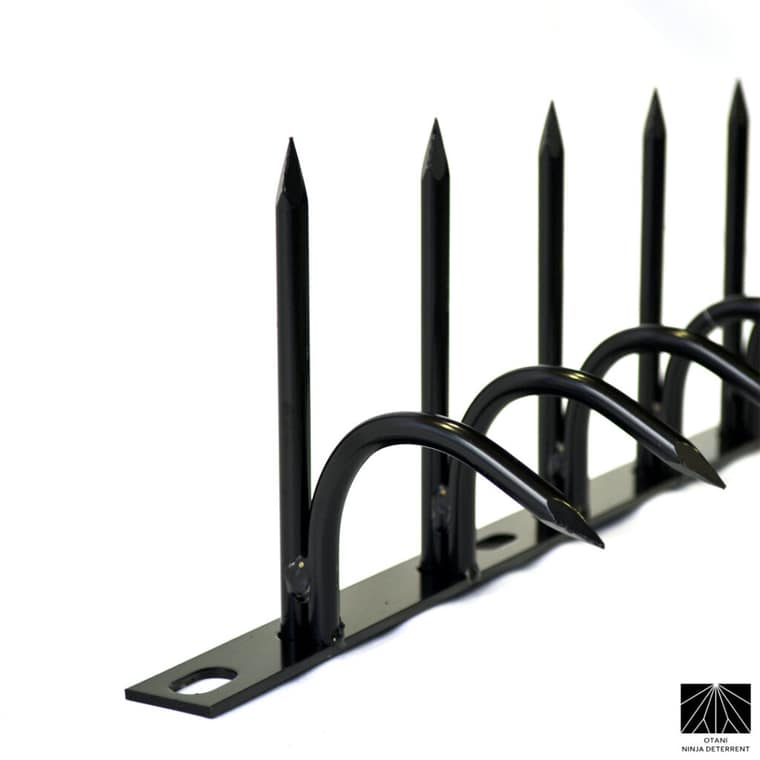
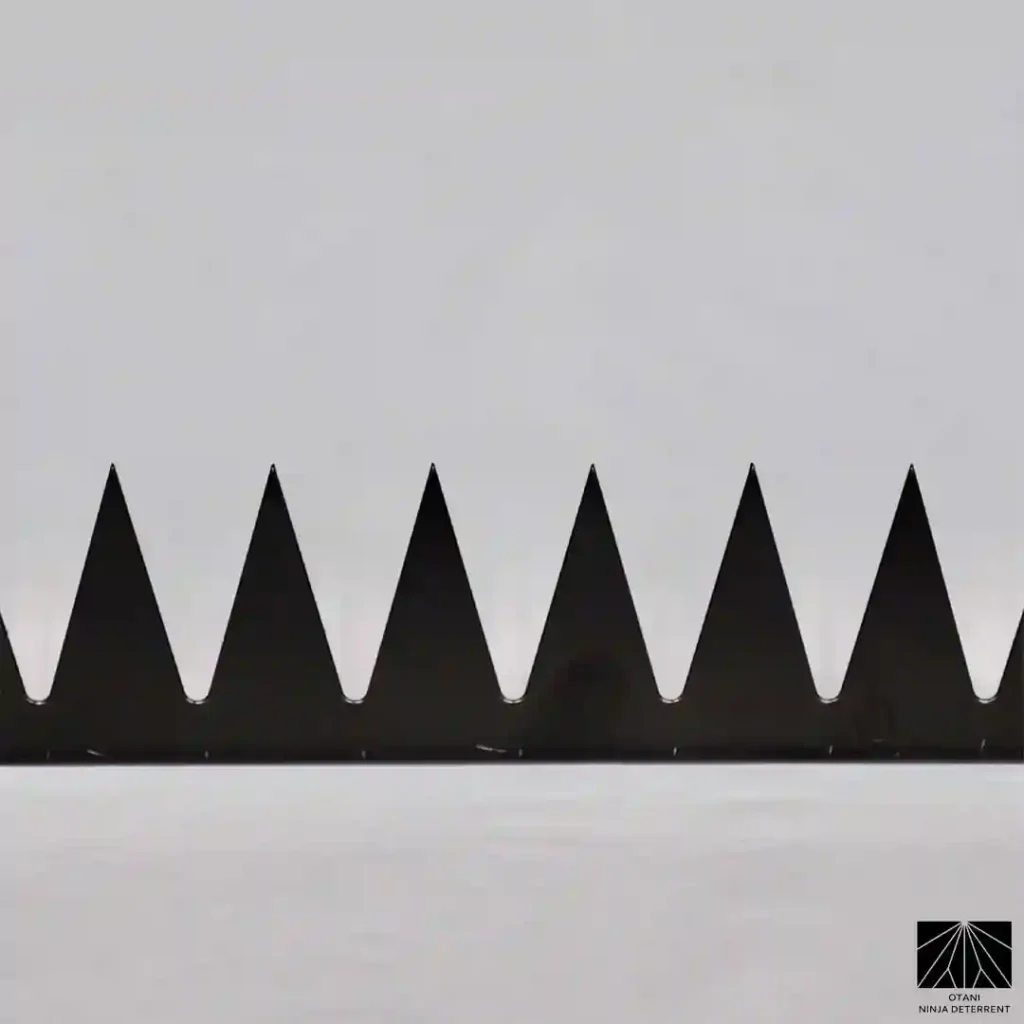
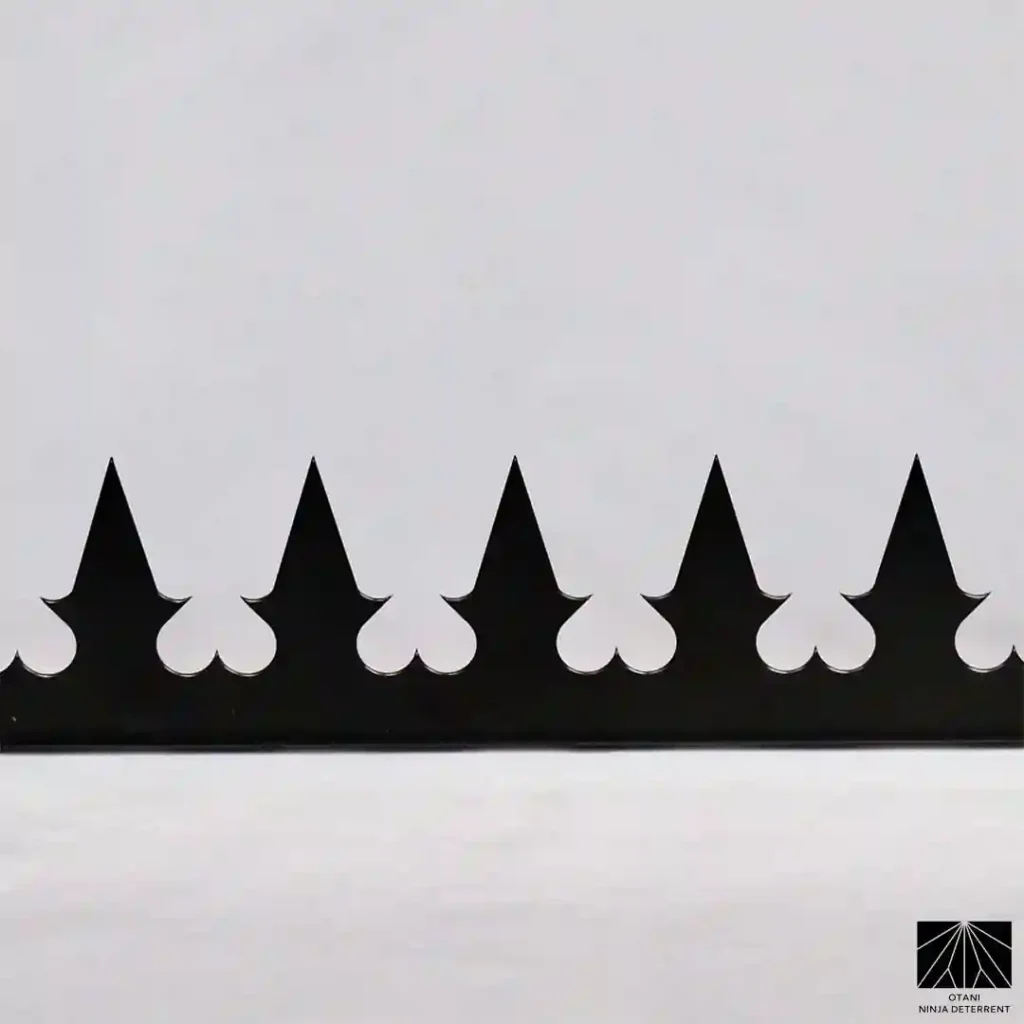
Anti-climb spikes stop intruders by making the top of a wall, fence, or gate impossible to grip and painful to cross, while their visible presence signals a hardened target. Research into offender decision-making shows most burglars are opportunists who abandon a target that looks difficult, so a clear physical barrier is a genuine deterrent. Spikes range from utilitarian metal strips to decorative, architectural designs (such as Japanese shinobi-gaeshi-inspired spikes) made from durable SS400 steel or SUS304 stainless steel. They are generally legal on private property when mounted out of reach of lawful passers-by and paired with warning signage.
Razor wire and barbed wire provide strong, low-cost physical deterrence and are fast to install, which is why they dominate prisons, military sites, and industrial yards. The trade-offs are significant: an aggressive, "keep-out" appearance that is inappropriate for homes and many commercial frontages; a real risk of serious injury (and the liability that comes with it); a tendency to rust; and — critically — restrictions or outright bans on residential use in many jurisdictions, often requiring a minimum height and prominent warning signs where it is allowed at all.
An electrified perimeter fence combines a psychological warning with a genuine physical shock, making it one of the most effective standalone deterrents for high-security sites. However, it is the most heavily regulated option: security energizers must be current-limited to a safe, non-lethal pulse (per recognized standards), warning signs must be posted at set intervals, and residential installation is restricted or prohibited in many areas or requires planning permission. It also carries the highest total cost — installation, a mains or solar energizer, ongoing electricity, and regular maintenance to keep vegetation from shorting the line.
Two non-aggressive alternatives are worth knowing. Roller barriers are rows of free-spinning cups fixed to the top of a wall; a hand or foot cannot get purchase, so a climber simply rotates off. They are injury-minimal and legally low-risk, though they suit flat wall tops more than fences and lack the sharp visual warning of spikes. Anti-climb paint is a non-drying, slippery coating for surfaces above 2 m (with signage); it makes climbing difficult and marks intruders, but offers little visual deterrence on its own. Both are often combined with spikes for layered security.
| Factor | Decorative Anti-Climb Spikes | Razor / Barbed Wire | Electric Fence | Roller Barrier |
|---|---|---|---|---|
| Physical deterrence | High | Very high | Very high | Moderate–High |
| Psychological deterrence | High (visible, sharp) | Very high (aggressive) | High (shock + signs) | Moderate |
| Appearance / kerb appeal | High (architectural) | Very low (industrial) | Low | Moderate |
| Residential legality | Generally OK (height + signage) | Often restricted / banned | Restricted / permit-based | Generally OK |
| Injury / liability risk | Low–Moderate (mount out of reach) | High | Moderate–High (if non-compliant) | Low |
| Upfront cost | Moderate | Low | High | Moderate–High |
| Running cost | None | None | Ongoing (power + maintenance) | None |
| Best for | Homes, heritage & architectural sites | Prisons, depots, industrial | High-security commercial sites | Wall tops, schools, low-injury needs |
Rules vary significantly by country, state, and municipality — and by HOA or lease terms — so always check your local codes before installing any perimeter deterrent. Common principles across jurisdictions: mount sharp or energized deterrents high enough that lawful passers-by cannot contact them (commonly ≥ 2 m), never let them overhang a public footpath, and post clear warning signage. Razor wire and electric fencing carry the heaviest restrictions and the greatest liability exposure; decorative spikes and roller barriers are generally the most straightforward to install lawfully on private property.
It depends on your jurisdiction. Razor wire is restricted or prohibited for residential use in many areas, and where it is allowed it typically must be mounted above a minimum height, kept away from public walkways, and accompanied by warning signage. Because of its injury and liability risk, most homeowners choose anti-climb spikes or roller barriers instead. Always confirm local ordinances and HOA rules first.
In many residential areas electric fencing is restricted, requires planning permission, or is prohibited outright. Where permitted, it must use a compliant, current-limited security energizer (a safe pulsed shock, not a continuous or lethal current) and display warning signs at regular intervals. Check your local regulations before considering one for a home.
Anti-climb spikes are designed to deter rather than maim, and when mounted out of reach of lawful passers-by they are generally lawful on private property. Liability problems usually arise only when a deterrent is placed where an ordinary person could be injured (for example, overhanging a public path) or without warning signage. Follow local guidance on height and signage to stay on the safe side.
Barbed and razor wire have the lowest upfront cost, but their appearance, injury risk, and residential restrictions often make them a false economy for homes. Anti-climb paint is another low-cost option for high surfaces. For a lasting, good-looking, low-liability solution, decorative anti-climb spikes offer the best long-term value.
Decorative and architectural anti-climb spikes are the most attractive option, because they are designed to complement a building rather than fight it. Japanese shinobi-gaeshi-inspired designs, for example, provide serious deterrence while reading as an ornamental detail — ideal for heritage, residential, and design-led properties.
Yes, and it is recommended. Layering a physical barrier (spikes or a roller barrier) with sensor lighting, cameras, and secure locks addresses several routes at once and is far harder to defeat. Offender research shows that the more effort and exposure a target presents, the more likely an opportunistic intruder is to abandon it.

Written by
Kojiro OtaniFounder of Saitani-Ya Co., Ltd. and creator of the Ninja Deterrent® brand. Drawing on Japan's tradition of shinobi-gaeshi, he designs and manufactures anti-climb security spikes that pair real deterrence with architectural beauty — writing from first-hand experience in their engineering, production, and real-world installation.
Jul 22, 2026
See anti-climb fencing installed across Los Angeles — Venice alleys, Laurel Canyon hillsides, Hollywood stucco coping, Santa Monica glass. Real LA jobs.
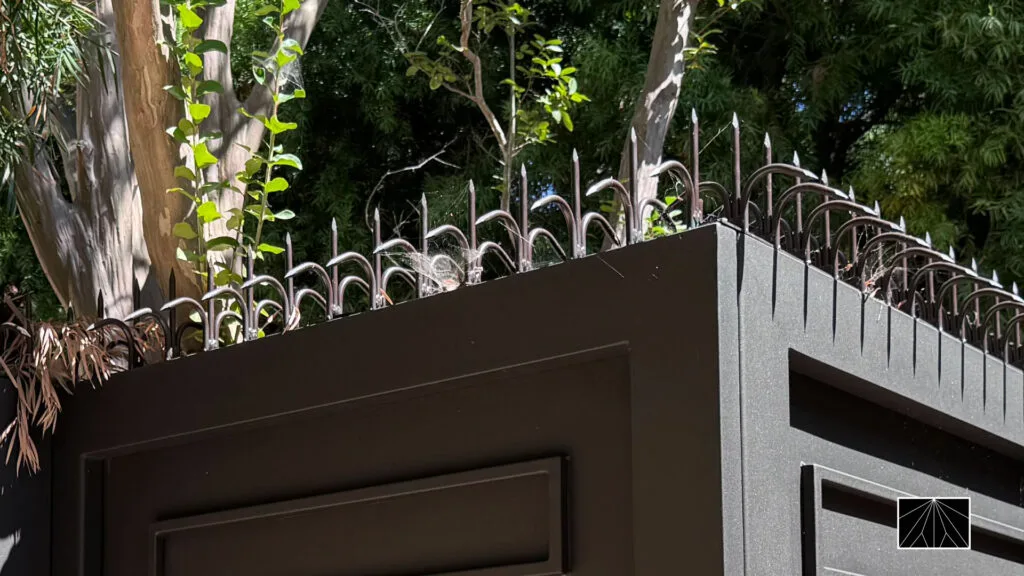
Jul 12, 2026
Explore anti-climb spikes for walls and fences. Compare types, materials, and aesthetics to find the best security solution, featuring premium options like Ninja Deterrent.
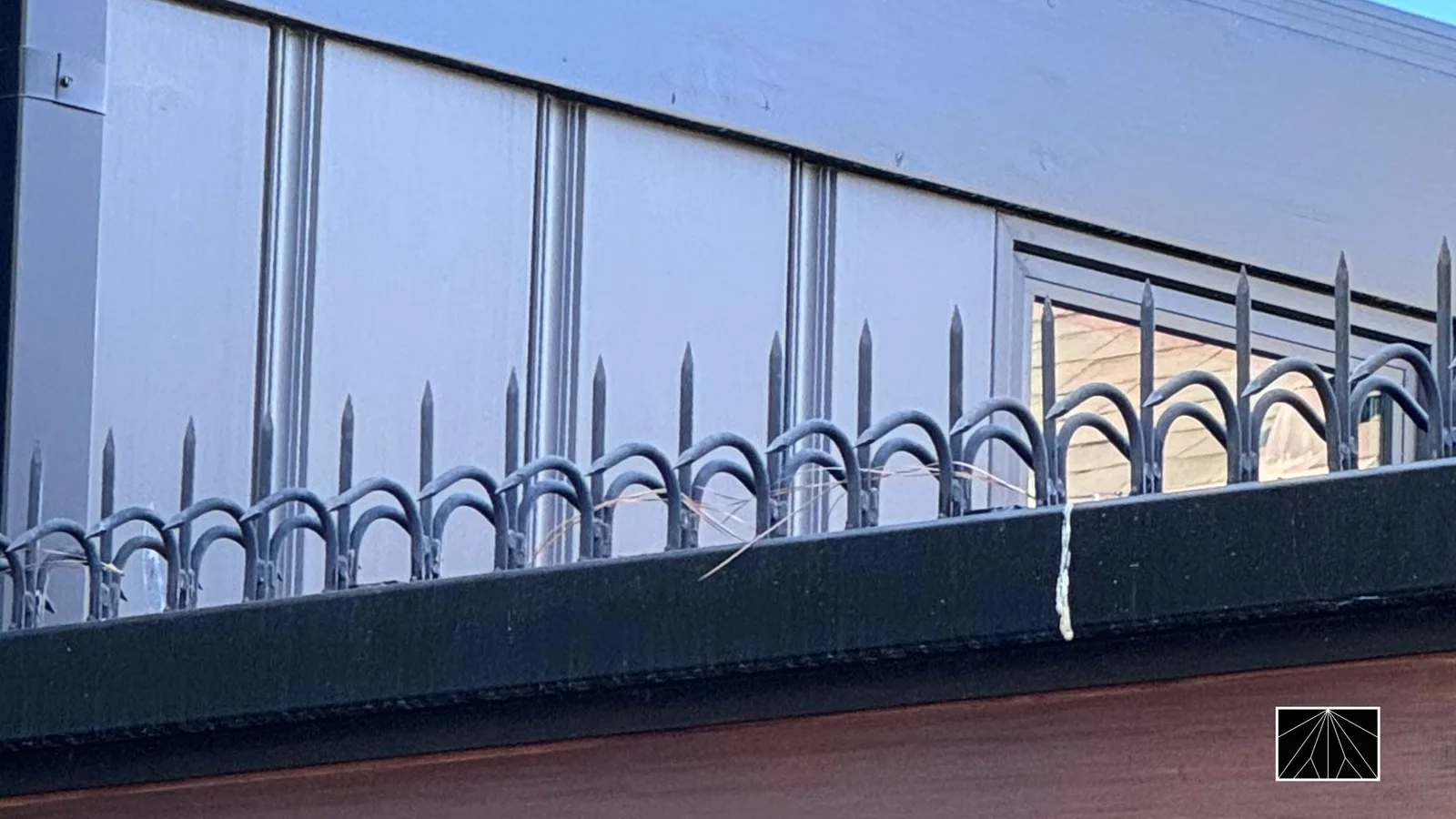
Jul 11, 2026
Discover how visible anti-climb deterrents, like Ninja Deterrent's architectural spikes, enhance home security beyond alarms. Learn their role in preventing burglaries.
Choose a series and a wall, then place it life-size in your own space with AR — before you order.

Choose a series and a wall, then place it life-size in your own space with AR — before you order.
Our standard series not quite right? We design and manufacture fully custom anti-climb systems tailored to your exact specifications — unique profiles, dimensions, materials, and finishes.
For general inquiries about our products or consultation regarding installation, please contact us.
Schedule a free online consultation with our team. Pick a time that works for you — available slots are shown in your local time zone.