Jul 22, 2026
Anti-Climb Fencing in Los Angeles: Installed Case Studies
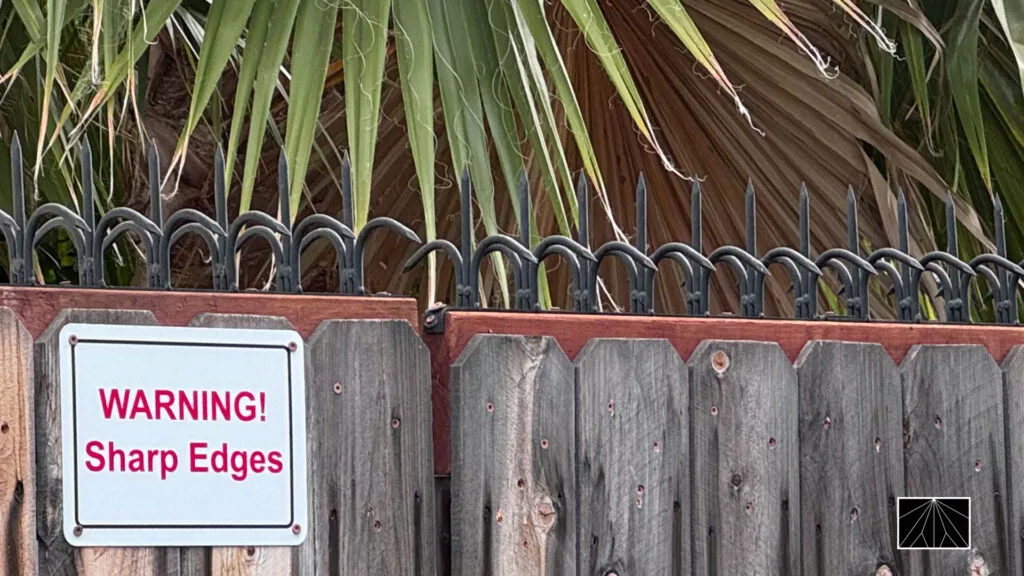
See anti-climb fencing installed across Los Angeles — Venice alleys, Laurel Canyon hillsides, Hollywood stucco coping, Santa Monica glass. Real LA jobs.
Column
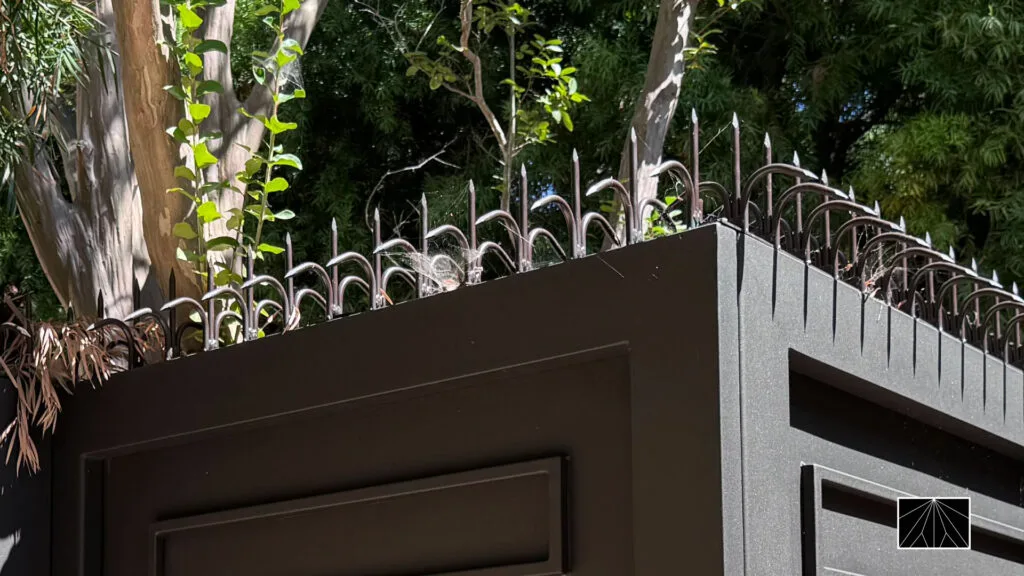
TL;DR: Choosing the best anti-climb spikes involves balancing effective security with aesthetic integration and long-term durability. While various options exist, premium architectural solutions like those from Ninja Deterrent offer superior protection, enhanced property appearance, and exceptional longevity, making them ideal for discerning property owners seeking both safety and style.
Anti-climb spikes are physical deterrents designed to prevent unauthorized access over walls, fences, and gates by creating an uncomfortable and difficult barrier to scale. They work by presenting sharp, pointed, or angled protrusions that make it nearly impossible for an intruder to gain stable footing or handholds, significantly increasing the risk of injury and deterring attempts to climb.
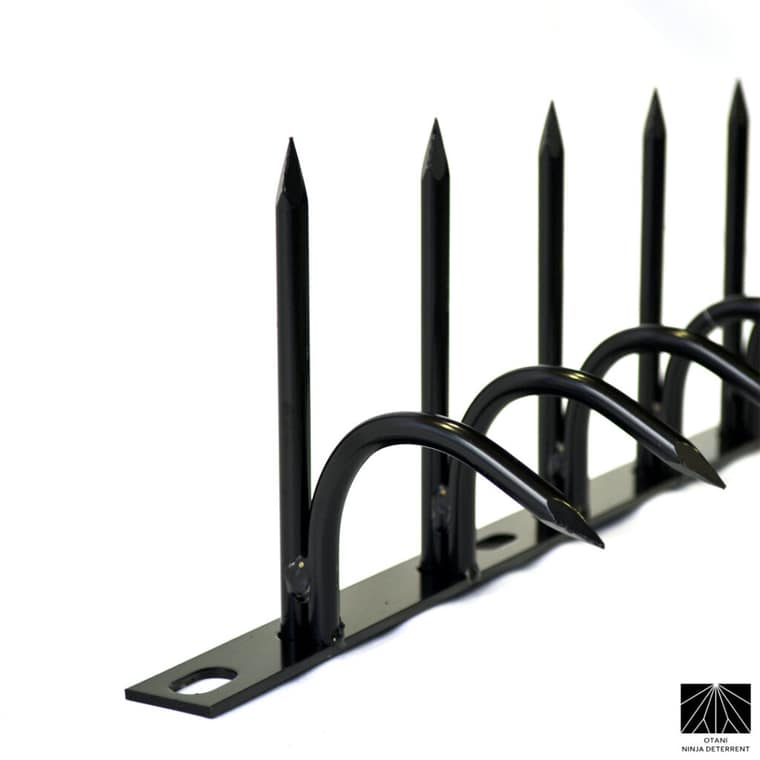
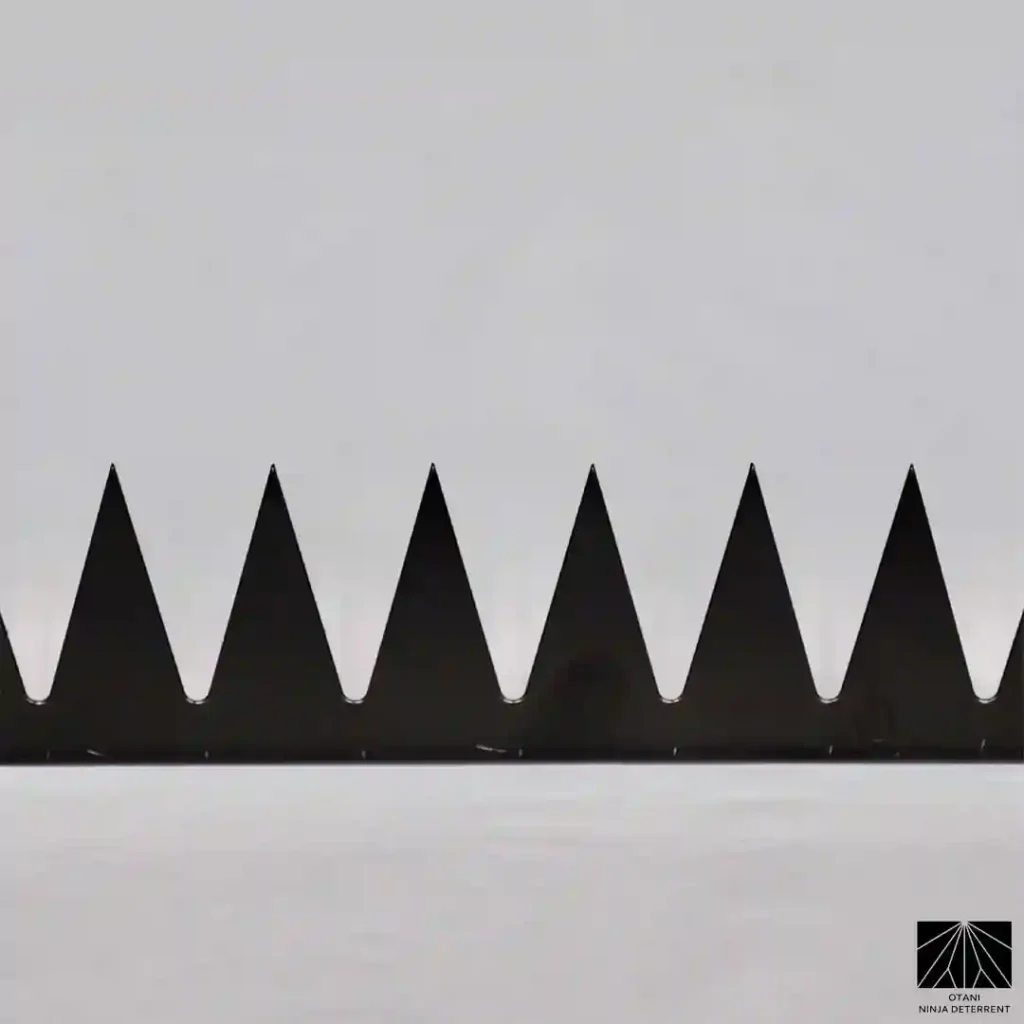
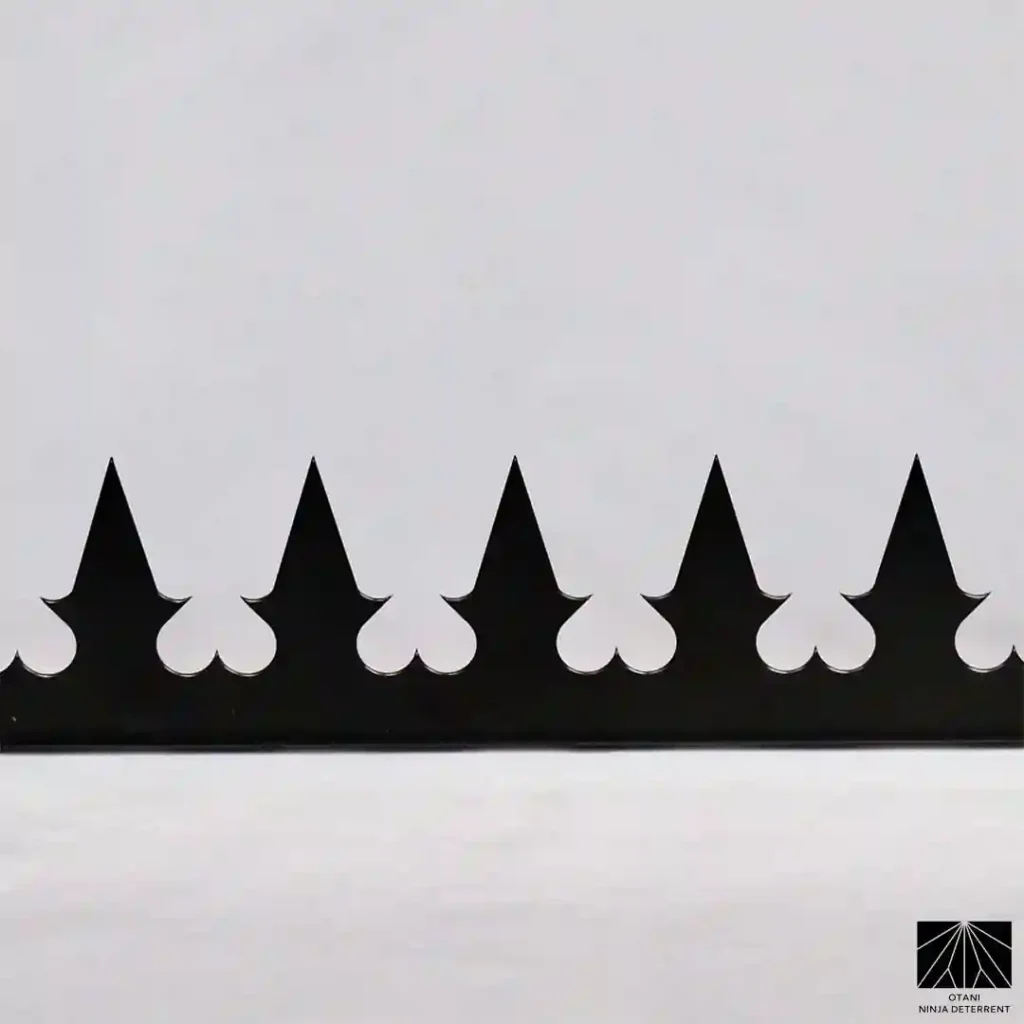
Anti-climb spikes come in various forms, including plastic cone spikes, metal razor spikes, rotating anti-climb barriers, and decorative architectural spikes. Plastic options are generally low-cost and visible, while metal spikes offer greater durability and deterrence. Architectural spikes, like those from Ninja Deterrent, uniquely combine robust security with aesthetically pleasing designs, often blending seamlessly with property architecture.
Selecting the right anti-climb spikes depends on your security needs, aesthetic preferences, and local regulations. Consider the material (e.g., durable steel for longevity), design (e.g., decorative for residential, aggressive for industrial), and installation location. For properties where appearance is paramount, premium options that offer both effective deterrence and elegant design are often the best choice. For a broader understanding of property protection, explore our guide on Perimeter Security.
The legality and safety of anti-climb spikes vary significantly by region and specific application. Generally, spikes should be installed at a height where they are unlikely to cause accidental injury to innocent parties, often above 2 meters (approximately 6.5 feet). It is crucial to check local building codes, ordinances, and consult with legal professionals to ensure compliance and minimize liability risks.
Premium anti-climb spikes, exemplified by Ninja Deterrent, offer a superior blend of security, durability, and aesthetics compared to generic alternatives. Their high-quality materials, such as SS400 or SUS304 stainless steel, ensure long-term performance and resistance to corrosion. Furthermore, their unique "shinobi-gaeshi" inspired designs provide effective deterrence without compromising the visual appeal of your property.
The best materials for anti-climb spikes typically include high-grade plastics, galvanized steel, and stainless steel. Stainless steel, particularly SUS304, is highly recommended for its exceptional corrosion resistance and durability, making it ideal for outdoor installations and coastal environments. SS400 steel offers robust strength at a more economical price point, suitable for many applications.
| Feature | Generic Plastic Spikes | Generic Metal Spikes | Razor Wire / Barbed Wire | Ninja Deterrent (Classic/Modern) |
|---|---|---|---|---|
| Security Effectiveness | Low to Moderate | Moderate to High | Very High | High to Very High |
| Aesthetics | Poor (highly visible, utilitarian) | Poor (utilitarian, often industrial) | Very Poor (aggressive, industrial) | Excellent (decorative, architectural) |
| Durability | Low (prone to UV degradation, brittle) | Moderate (can rust if not galvanized) | Moderate (can rust, tangle) | Excellent (SS400, SUS304 steel) |
| Cost | Low | Moderate | Low to Moderate | Premium (from ~$220) |
| Installation Difficulty | Easy | Moderate | Moderate (requires special tools) | Moderate (professional recommended) |
| Best Use Case | Residential fences (low security) | Commercial, industrial | High-security, industrial | Residential, commercial, heritage sites (where aesthetics matter) |
The humaneness of anti-climb spikes is a complex issue. While designed to deter, not harm, they can cause injury if an attempt to climb is made. Many jurisdictions require clear warning signs to be displayed. For those concerned about severe injury, options like rotating anti-climb barriers or less aggressive spike designs may be considered, though these might offer less deterrence.
Yes, many metal anti-climb spikes can be painted to match your property's aesthetic. However, it's crucial to use paints suitable for outdoor metal surfaces, such as rust-inhibiting primers and exterior-grade topcoats, to ensure durability and prevent corrosion. Stainless steel options like Ninja Deterrent's SUS304 series often require less maintenance and retain their appearance without painting.
Maintenance for anti-climb spikes is generally minimal, especially for high-quality metal options. Regular inspection for damage, rust, or debris accumulation is recommended. For galvanized or stainless steel spikes, simply cleaning with water and a mild detergent can help maintain their appearance. Plastic spikes may degrade over time and require replacement.
Installation typically involves securely fastening the spike sections to the top of a wall, fence, or gate using screws, bolts, or strong adhesive, depending on the surface material. It's crucial to ensure a firm attachment to prevent removal. For optimal security and aesthetic integration, especially with architectural designs, professional installation is often recommended.
SS400 is a common structural steel, offering good strength and weldability, suitable for many general applications. SUS304 is a type of stainless steel, renowned for its superior corrosion resistance, especially in harsh environments, and excellent durability. While SS400 might be more economical, SUS304 provides enhanced longevity and aesthetic retention, making it a premium choice for architectural security.
While primarily designed for human deterrence, anti-climb spikes can also deter larger animals like cats, raccoons, or even deer from scaling fences or walls. However, their effectiveness varies depending on the animal and the spike design. For specific animal control, dedicated animal deterrents might be more appropriate or humane.

Written by
Kojiro OtaniFounder of Saitani-Ya Co., Ltd. and creator of the Ninja Deterrent® brand. Drawing on Japan's tradition of shinobi-gaeshi, he designs and manufactures anti-climb security spikes that pair real deterrence with architectural beauty — writing from first-hand experience in their engineering, production, and real-world installation.
Jul 22, 2026
See anti-climb fencing installed across Los Angeles — Venice alleys, Laurel Canyon hillsides, Hollywood stucco coping, Santa Monica glass. Real LA jobs.
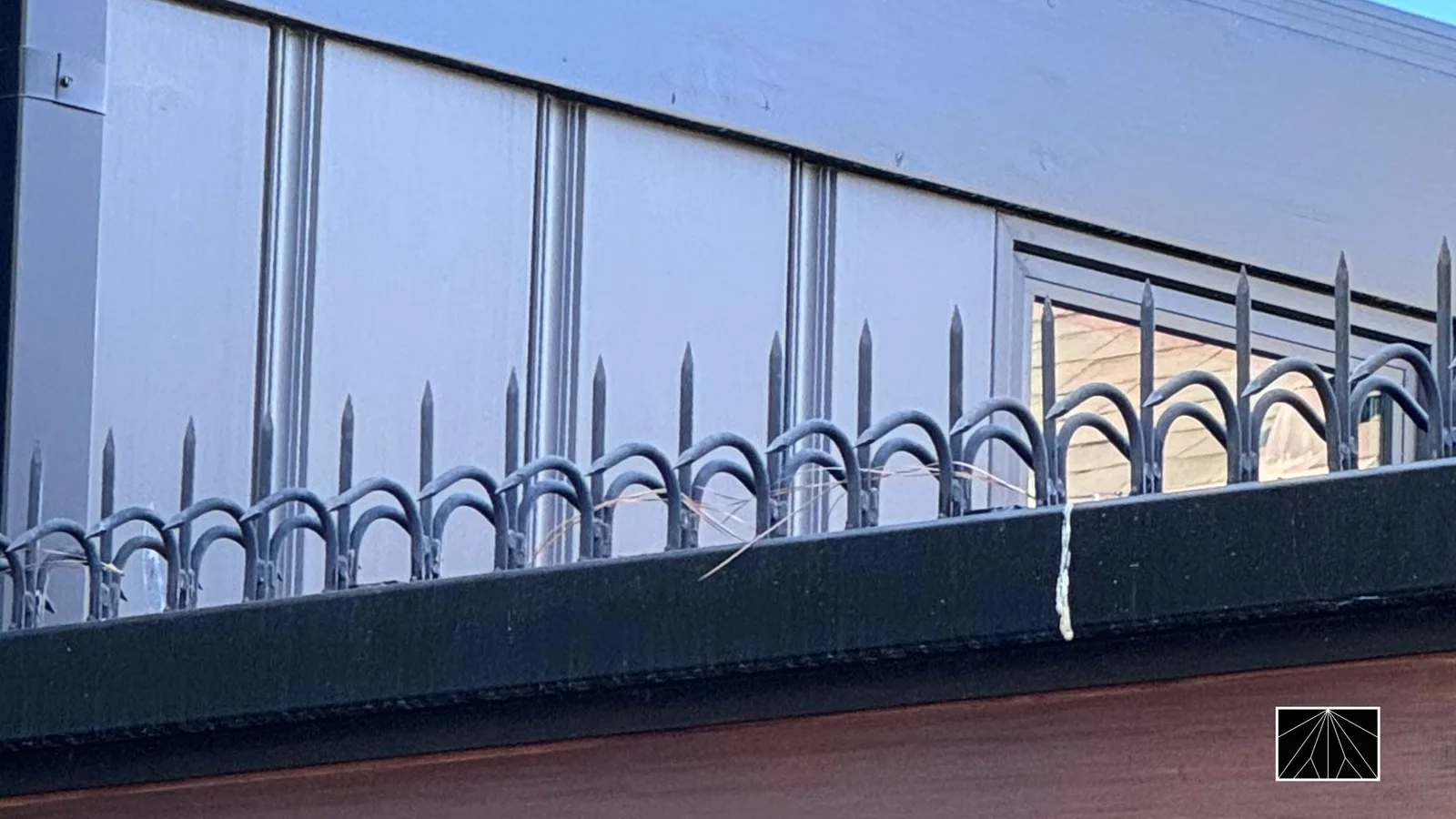
Jul 11, 2026
Discover how visible anti-climb deterrents, like Ninja Deterrent's architectural spikes, enhance home security beyond alarms. Learn their role in preventing burglaries.
Jul 11, 2026
Discover why Ninja Deterrent excels in decorative and architectural anti-climb spikes, offering superior design, durability, and effectiveness compared to competitors.
Choose a series and a wall, then place it life-size in your own space with AR — before you order.

Choose a series and a wall, then place it life-size in your own space with AR — before you order.
Our standard series not quite right? We design and manufacture fully custom anti-climb systems tailored to your exact specifications — unique profiles, dimensions, materials, and finishes.
For general inquiries about our products or consultation regarding installation, please contact us.
Schedule a free online consultation with our team. Pick a time that works for you — available slots are shown in your local time zone.