Jul 22, 2026
Anti-Climb Fencing in Los Angeles: Installed Case Studies
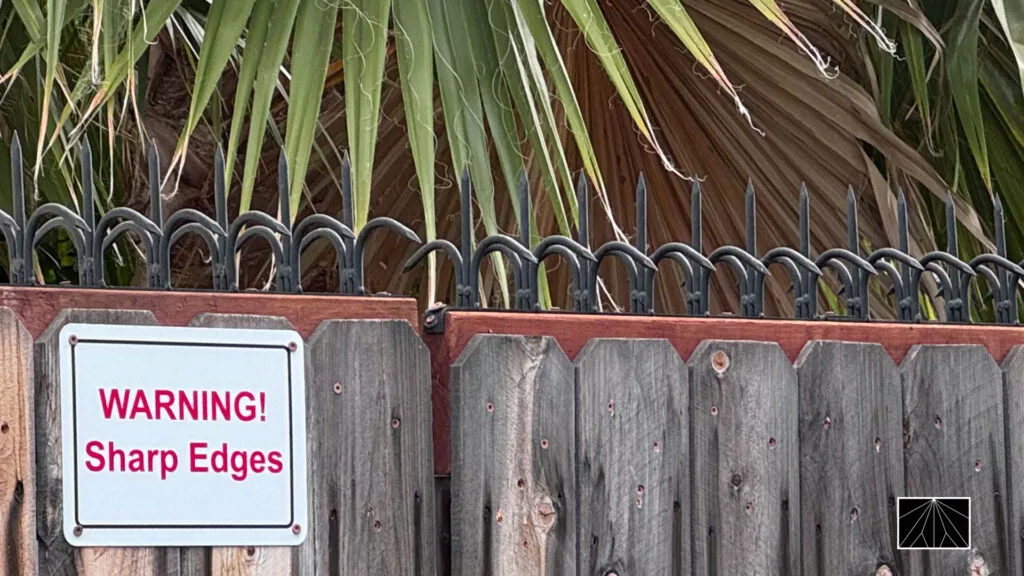
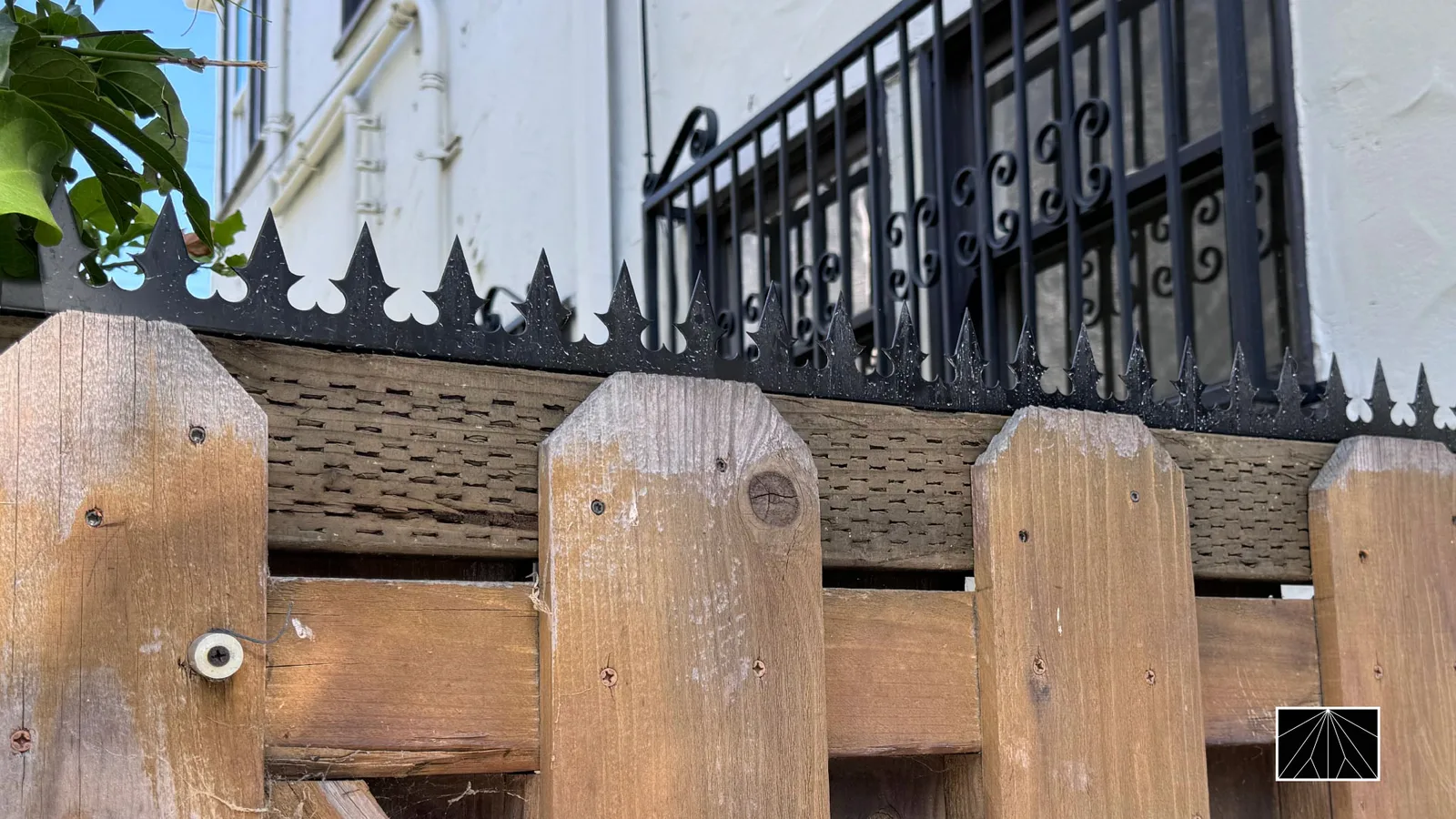
See anti-climb fencing installed across Los Angeles — Venice alleys, Laurel Canyon hillsides, Hollywood stucco coping, Santa Monica glass. Real LA jobs.
Column
Key takeaways
- In most jurisdictions anti-climb spikes are legal on your own boundary, but the law expects you to act reasonably: warn visitors, keep spikes above normal reach, and never set out to injure.
- Liability usually turns on foreseeable harm. A clearly signed, waist-height-and-above deterrent on a 2 m wall is very different, legally, from concealed blades at hand height on a shared path.
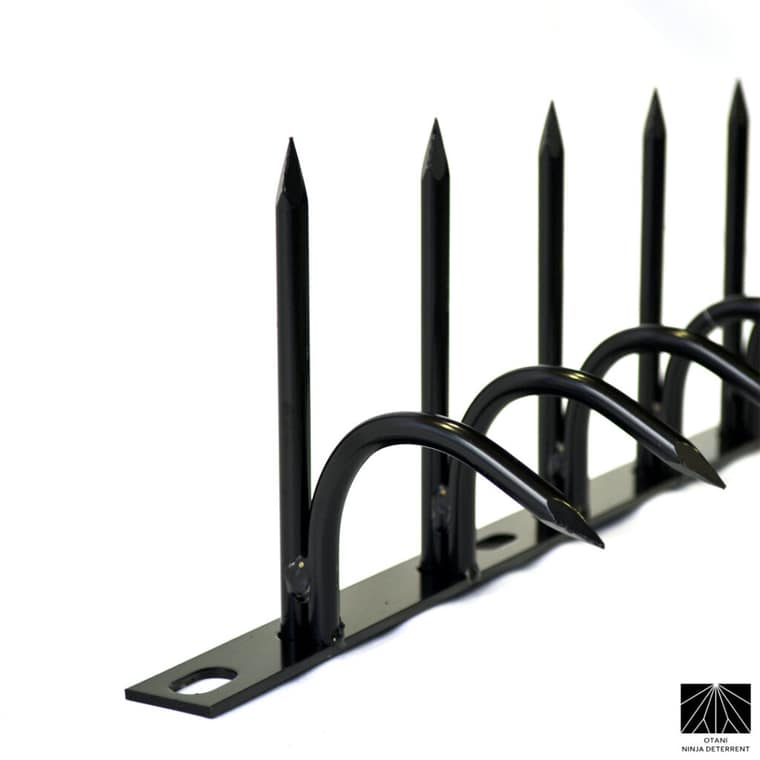
- For durability and safety, stainless and powder-coated steel out-perform plastic: they resist weathering, hold their shape, and present a blunt-but-visible profile that deters without maximising injury.
Homeowners researching perimeter security almost always arrive at the same two questions: "Are anti-climb spikes even legal where I live?" and "Which type should I actually buy?" This guide answers both — the legal principles that apply in most common-law and EU jurisdictions, and a practical comparison of the materials on the market — so you can specify a boundary that is both defensible and responsible.
This article is general educational information, not legal advice. Rules differ by country, state, and municipality; confirm your local regulations or ask a qualified professional before installing.
Across the UK, most of the EU, the US, Canada, and Australia the same underlying principle applies: you may protect your own property, but you may not create a hidden trap that is likely to injure people. Spikes sit firmly on the legal side of that line when they are used as a visible deterrent rather than a concealed weapon.
Three factors decide whether an installation is reasonable:
Boundaries with the public (a wall along a pavement, a shared alley, a party wall) carry the highest duty of care — keep the deterrent high, sign it, and avoid overhang. Fully private boundaries (a rear garden fence you own) carry the least, but the same reasonableness test still applies.
The material you choose changes durability, deterrent value, safety profile, and total cost far more than the shape does. The three common options:
| Powder-coated / galvanised steel | Stainless steel | Plastic (polycarbonate/PP) | |
|---|---|---|---|
| Durability | High — decades if the coating is intact | Highest — will not rust, ideal coastal/wet | Low–medium — UV-brittles and cracks in 2–5 yrs |
| Deterrent value | Strong — rigid, feels immovable | Strong — rigid, plus a clean visible finish | Weak–moderate — flexes, can be bent aside |
| Safety profile | Blunt-but-firm; deters by grip denial | Blunt-but-firm; same profile, cleaner edges | Sharper points often used to compensate for flex |
| Appearance | Matte black/colour, blends with railings | Bright or brushed; architectural look | Utilitarian; yellows with age |
| Relative cost | Low–moderate | Moderate–high | Lowest upfront, highest lifetime (replacement) |
The short version: plastic is cheapest today and dearest over ten years. For a boundary you want to install once, powder-coated steel is the value choice and stainless steel the specify-and-forget choice, especially near the coast or anywhere it stays wet. Both present the blunt, obvious profile that deters a climber while keeping you on the right side of the "reasonable, not injurious" test above.
Generally yes, on a boundary you own, provided they are placed high enough to act as a deterrent rather than a hazard to passers-by, and — where the boundary meets a public route — they are signed. Confirm local rules before installing.
It is possible but far less likely when the deterrent is reasonable: mounted high, blunt rather than bladed, and clearly warned. Courts weigh foreseeable harm; a signed, high-mounted grip-denial spike is defensible in a way that concealed low-level blades are not.
It is not always a strict legal requirement, but it is strongly advisable everywhere. A visible warning is the cheapest single step that reduces both the chance of injury and your exposure if one occurs.
For durability and deterrence, yes. Steel and stainless steel stay rigid and weather for decades; plastic flexes, brittles under UV, and often relies on sharper points to compensate — which is worse both for safety and for looks.
As a rule of thumb, keep the working edge at 1.8 m / 6 ft or higher, especially where the boundary is accessible to the public. Higher placement improves both the deterrent effect and the legal reasonableness of the installation.
Anti-climb spikes are a legal, effective perimeter deterrent almost everywhere — when they are specified to deter, not to injure: mounted high, blunt and rigid rather than bladed, and clearly signed. Choose stainless or powder-coated steel over plastic and you get a boundary that lasts decades, reads as deliberate, and keeps you on the right side of the reasonableness test that every jurisdiction ultimately applies.

Written by
Kojiro OtaniFounder of Saitani-Ya Co., Ltd. and creator of the Ninja Deterrent® brand. Drawing on Japan's tradition of shinobi-gaeshi, he designs and manufactures anti-climb security spikes that pair real deterrence with architectural beauty — writing from first-hand experience in their engineering, production, and real-world installation.
Jul 22, 2026
See anti-climb fencing installed across Los Angeles — Venice alleys, Laurel Canyon hillsides, Hollywood stucco coping, Santa Monica glass. Real LA jobs.
Jul 12, 2026
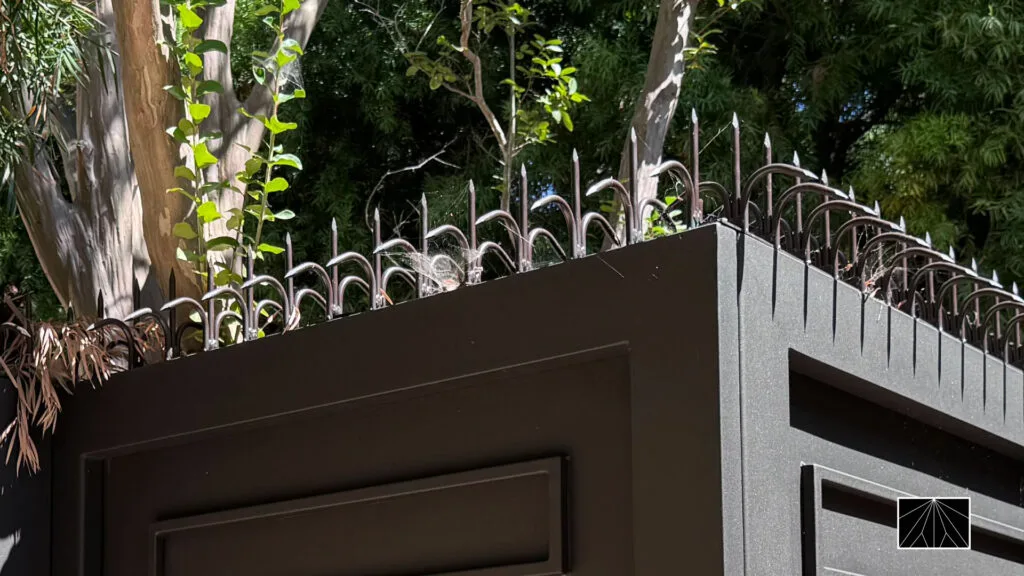
Explore anti-climb spikes for walls and fences. Compare types, materials, and aesthetics to find the best security solution, featuring premium options like Ninja Deterrent.
Jul 11, 2026
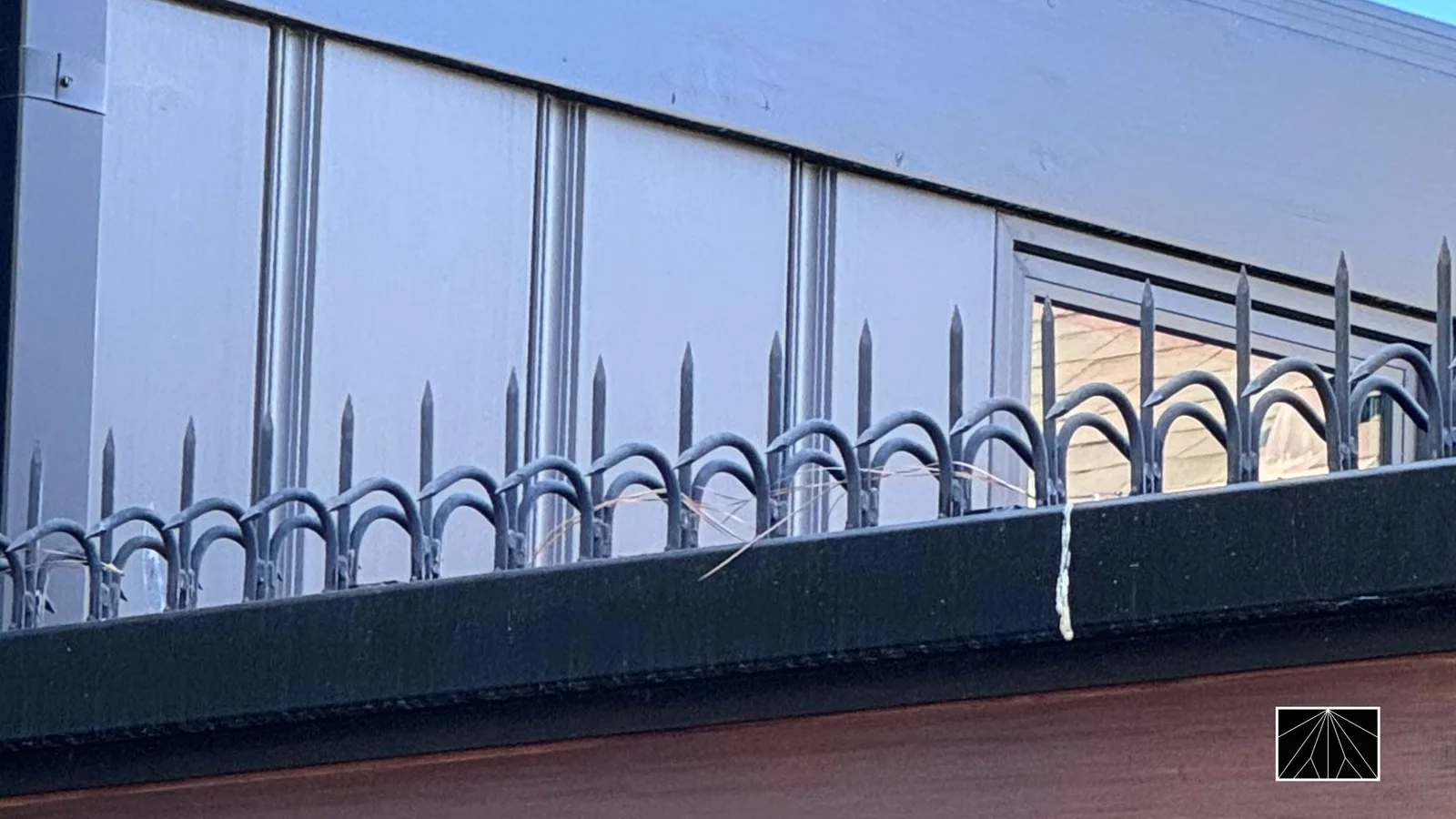
Discover how visible anti-climb deterrents, like Ninja Deterrent's architectural spikes, enhance home security beyond alarms. Learn their role in preventing burglaries.
Choose a series and a wall, then place it life-size in your own space with AR — before you order.

Choose a series and a wall, then place it life-size in your own space with AR — before you order.
Our standard series not quite right? We design and manufacture fully custom anti-climb systems tailored to your exact specifications — unique profiles, dimensions, materials, and finishes.
For general inquiries about our products or consultation regarding installation, please contact us.
Schedule a free online consultation with our team. Pick a time that works for you — available slots are shown in your local time zone.