Jul 22, 2026
Anti-Climb Fencing in Los Angeles: Installed Case Studies
See anti-climb fencing installed across Los Angeles — Venice alleys, Laurel Canyon hillsides, Hollywood stucco coping, Santa Monica glass. Real LA jobs.
Column
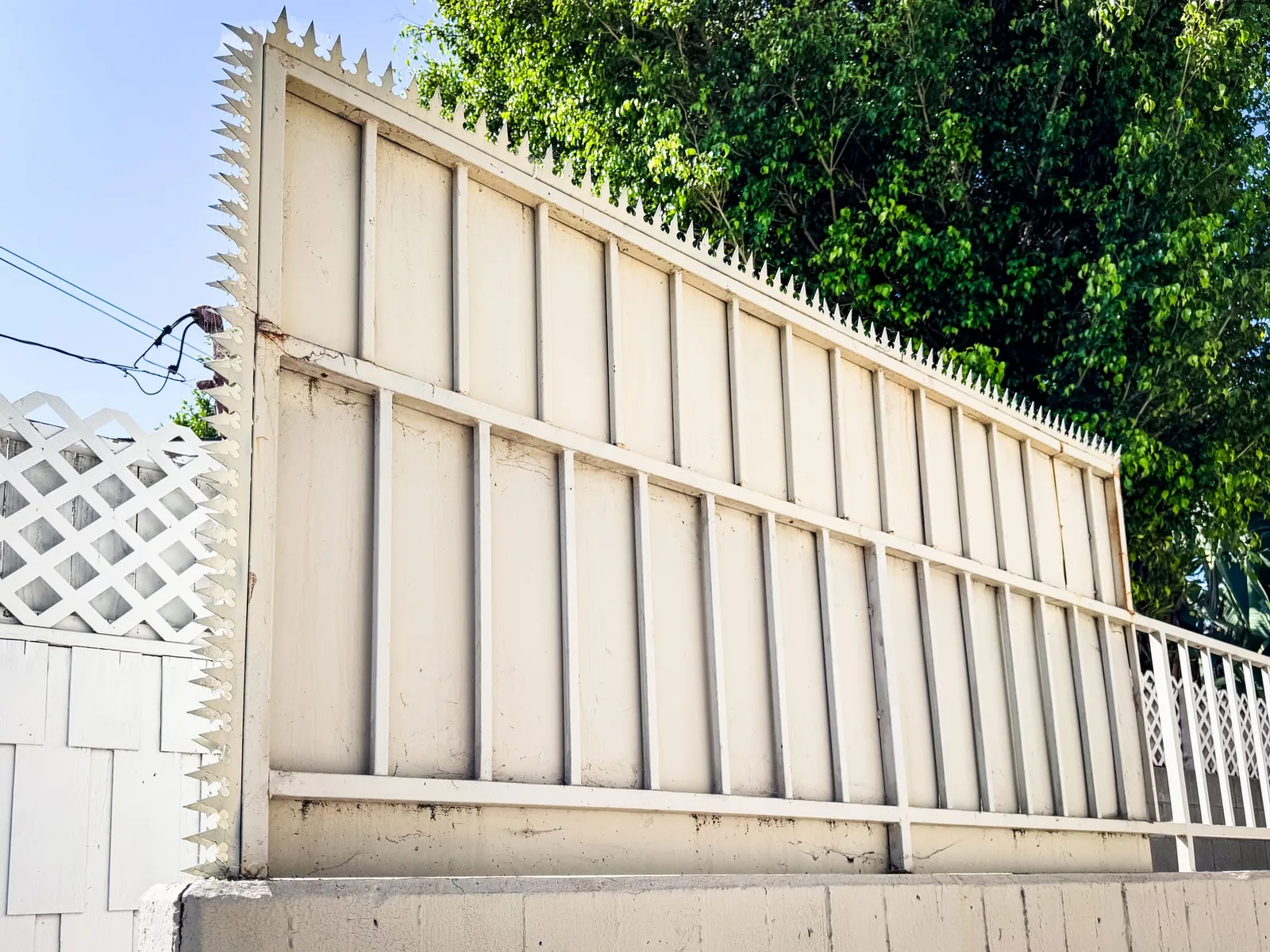
Short answer: Burglars are deterred most by anything that signals a break-in will be seen, heard, slow, or risky — nearby people or police, visible alarms and cameras, a barking dog, and boundaries that are hard to climb or enter. The evidence is consistent: most burglars are opportunists who pick the easiest target. In a University of North Carolina at Charlotte study of 422 convicted burglars, 60% said they would choose a different target if a home had an alarm, and 83% checked for security before attempting a break-in.
The most effective home security isn't about stopping a determined attacker — it's about making your property look like more trouble than the house next door. Decades of research, including interviews with convicted offenders, show burglary is overwhelmingly a crime of opportunity. Here's what the data actually says deters burglars, ranked.
The single biggest deterrent is the risk of being seen or caught — nearby people, police, or anyone who might notice. After that come visible alarms, outdoor cameras, dogs, and hard-to-enter boundaries. Below is how convicted burglars themselves rank the main deterrents.
| Deterrent | How strongly it deters | Why it works |
|---|---|---|
| People or police nearby | Strongest single factor (~64%) | Raises the chance of being seen and caught |
| Alarm system | ~53% deterred; 60% pick another target if present | Signals noise, alert, and a fast police response |
| Outdoor security cameras | ~50% deterred | Creates a record and signals an "alert" household |
| A dog (especially a large, loud one) | High for most offenders | Noise + unpredictability + attention |
| Hard-to-climb walls, fences & gates | Adds time, effort, and injury risk | Removes the easy access burglars look for |
| Visible security signage | ~25% deterred | Cheap signal that the property may be protected |
Figures: UNC Charlotte survey of 422 convicted burglars, summarised by Security.org and ScienceDaily. Percentages reflect the share of burglars who considered each measure an effective deterrent.
Burglars choose targets to maximise reward while minimising effort and the risk of being caught. They look for homes that appear to hold valuables, are easy to reach and enter, and are hidden from view — and they avoid the opposite.
Offender-interview research (including ethnographic studies where burglars reconstruct their own break-ins) consistently finds:
The practical lesson: you rarely need to defeat a master criminal. You need your home to lose the "easiest target on the street" competition.
Yes — visible alarms and cameras are among the most effective deterrents, because most burglars actively check for them and will leave when they find them. In the UNC Charlotte study:
One caveat keeps this honest: cameras deter far better than they catch. Some studies — such as a Lincoln, Nebraska review of cameras in a bar district — found cameras did little to help identify offenders after the fact. The value is in the visible signal beforehand, not the footage afterward. That's why a camera you can see beats a hidden one.
Yes — dogs, especially large, loud ones, rank as a strong deterrent in offender surveys. A barking dog adds three things burglars hate at once: noise, attention from neighbours, and unpredictability. In a separate survey of 86 incarcerated burglars, a "big, loud dog" was cited as a major reason to skip a house. A dog isn't a security system, but as a deterrent signal it punches above its weight.
Physical deterrents work by attacking the two things burglars optimise for: easy access and low visibility. This is the core of CPTED (Crime Prevention Through Environmental Design), the framework police forces use worldwide.
None of these has a tidy "deters X%" figure the way alarms do, but they target the exact decision factors — effort, access, and visibility — that every offender study identifies. Used together with a visible alarm or camera, they move your home firmly out of the "easy" column.
Most break-ins are fast: entry often takes under a minute, and burglars are typically inside for only 8–12 minutes. The FBI and security-industry figures commonly cite an 8–10 minute average, with some break-ins lasting as little as 90 seconds. Speed is the whole point — the longer an intruder is exposed, the higher the chance of being caught. Anything that slows entry or makes it noisy and visible works against that, which is why hardened, well-lit, alarmed properties get passed over.
Layer cheap, visible deterrence with a hard perimeter — in that order. You don't need the most expensive system; you need the most off-putting front line:
Together these target every factor offenders weigh: reward, effort, and risk of being caught.
The strongest deterrents are signs a break-in will be seen or caught — nearby people or police, then visible alarms, outdoor cameras, a loud dog, and hard-to-enter boundaries. In a study of 422 convicted burglars, 60% would choose another target if a home had an alarm.
Mostly, yes. About 83% of burglars check for alarms and cameras before attempting a break-in, and around half consider visible cameras an effective deterrent. Cameras work best as a visible warning rather than as after-the-fact evidence.
Overwhelmingly opportunistic. Over 75% of burglaries are crimes of opportunity; in the UNC Charlotte study only 12% were planned in advance and 41% were "spur of the moment."
A large, loud dog is a strong deterrent in offender surveys because it adds noise, attention, and unpredictability. It's not a substitute for locks and alarms, but it reliably pushes opportunists toward an easier target.
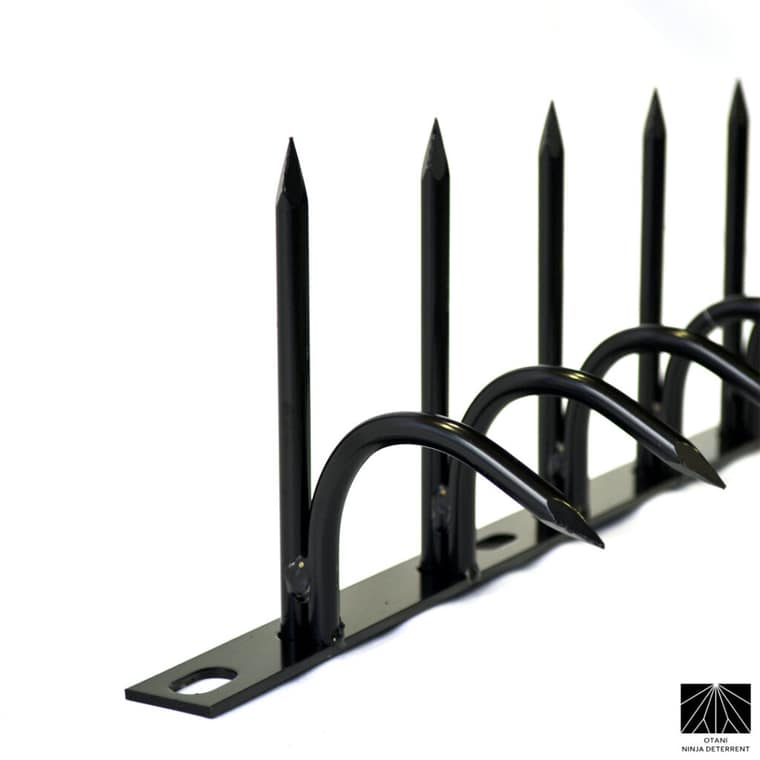
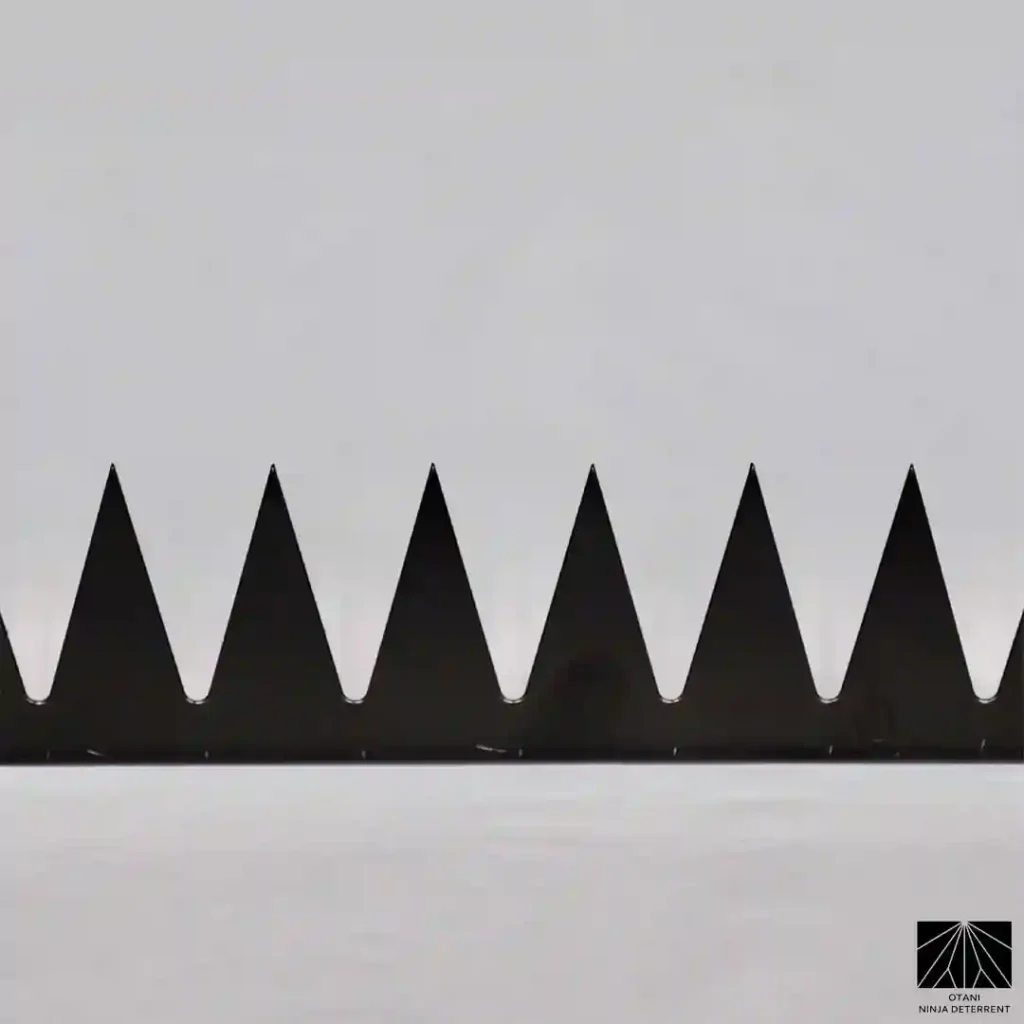
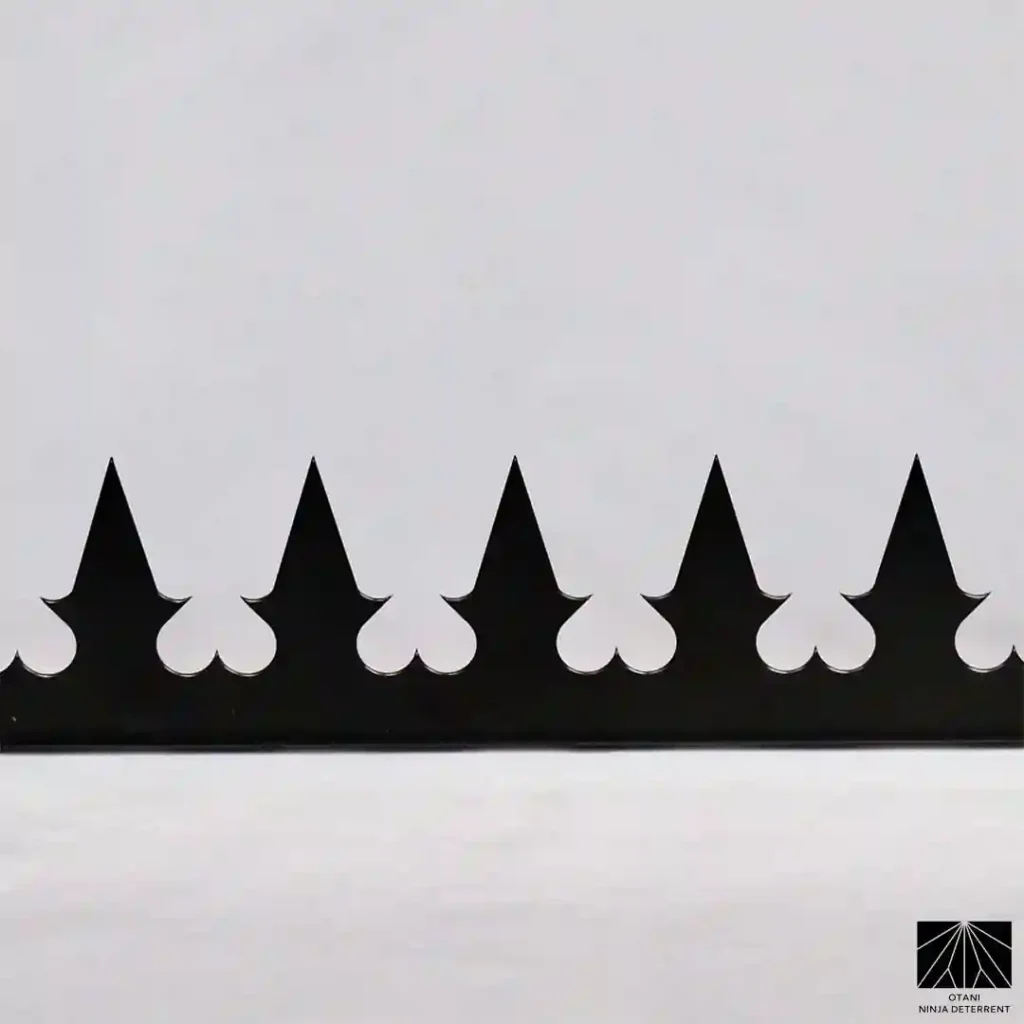
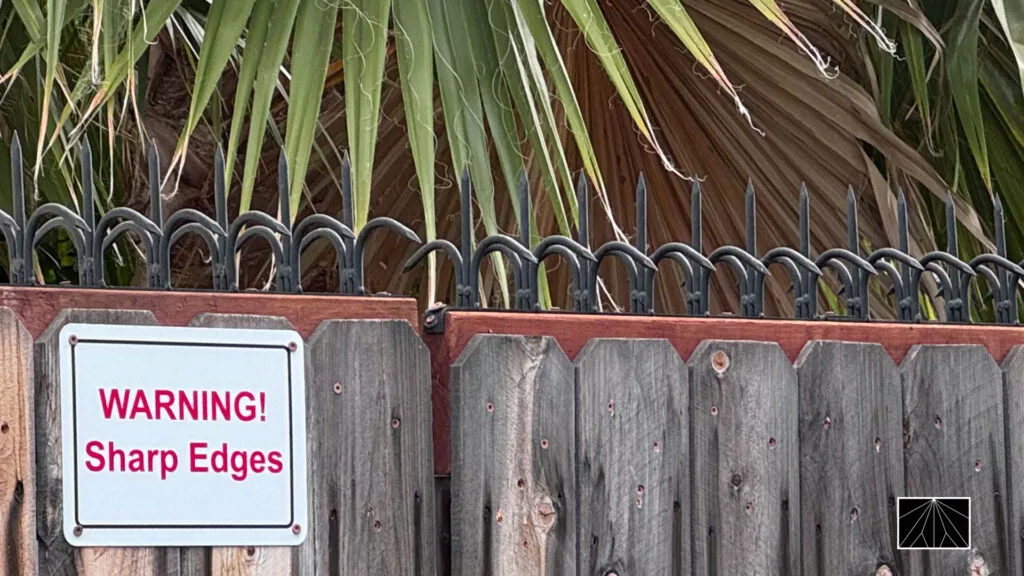
There is no study measuring a single percentage for spikes, but they target exactly what burglars avoid — easy, quick, quiet access. By making a wall or fence slow and risky to climb, anti-climb spikes help move a property out of the "easy target" category that opportunistic burglars prefer.
Entry is often under a minute, and burglars are usually inside for about 8–12 minutes. The faster they can get in and out, the lower their risk — so slow, noisy, visible properties get skipped.

Written by
Kojiro OtaniFounder of Saitani-Ya Co., Ltd. and creator of the Ninja Deterrent® brand. Drawing on Japan's tradition of shinobi-gaeshi, he designs and manufactures anti-climb security spikes that pair real deterrence with architectural beauty — writing from first-hand experience in their engineering, production, and real-world installation.
Jul 22, 2026
See anti-climb fencing installed across Los Angeles — Venice alleys, Laurel Canyon hillsides, Hollywood stucco coping, Santa Monica glass. Real LA jobs.
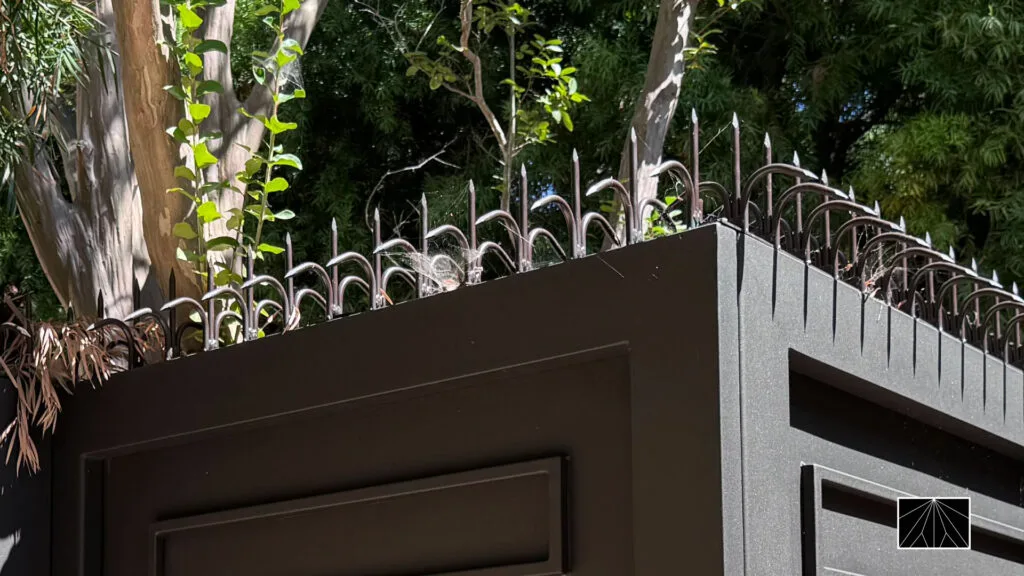
Jul 12, 2026
Explore anti-climb spikes for walls and fences. Compare types, materials, and aesthetics to find the best security solution, featuring premium options like Ninja Deterrent.
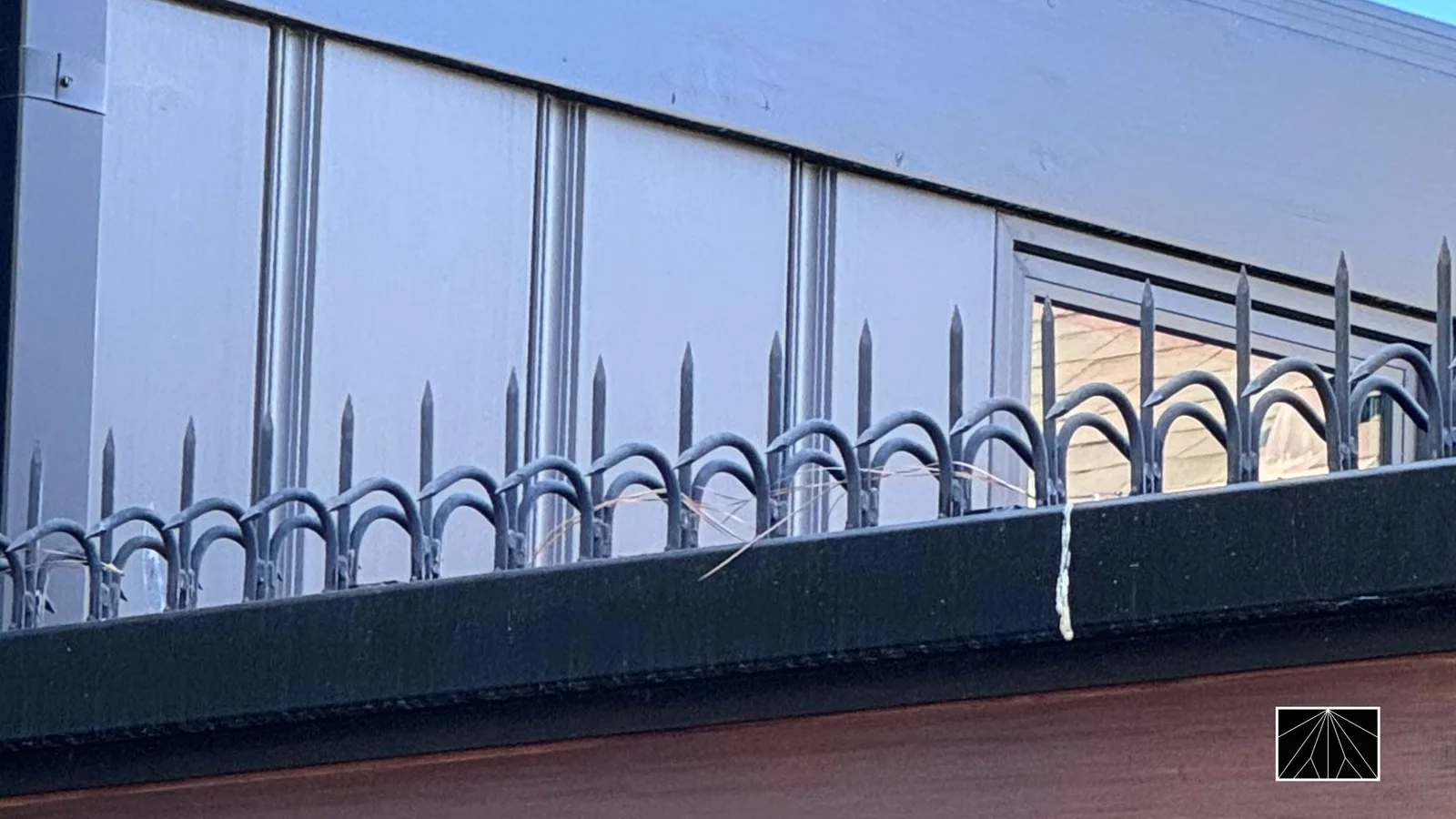
Jul 11, 2026
Discover how visible anti-climb deterrents, like Ninja Deterrent's architectural spikes, enhance home security beyond alarms. Learn their role in preventing burglaries.
Choose a series and a wall, then place it life-size in your own space with AR — before you order.

Choose a series and a wall, then place it life-size in your own space with AR — before you order.
Our standard series not quite right? We design and manufacture fully custom anti-climb systems tailored to your exact specifications — unique profiles, dimensions, materials, and finishes.
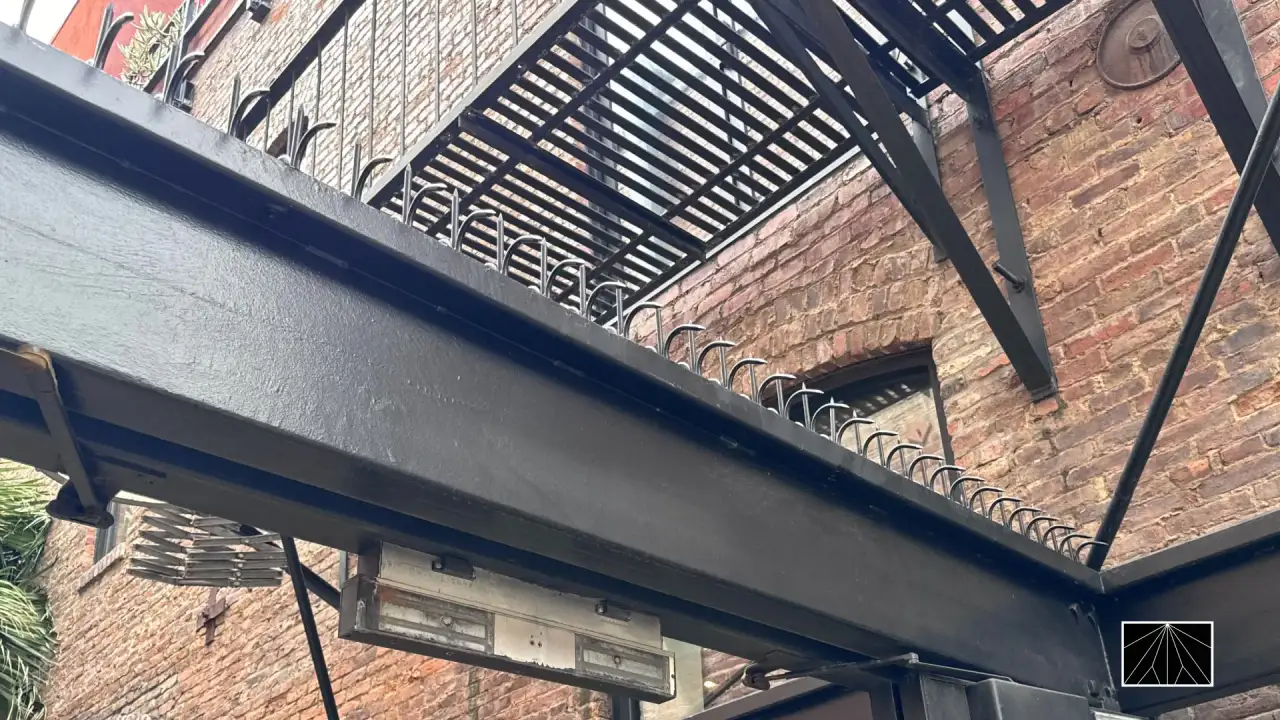
For general inquiries about our products or consultation regarding installation, please contact us.
Schedule a free online consultation with our team. Pick a time that works for you — available slots are shown in your local time zone.