Jul 22, 2026
Anti-Climb Fencing in Los Angeles: Installed Case Studies
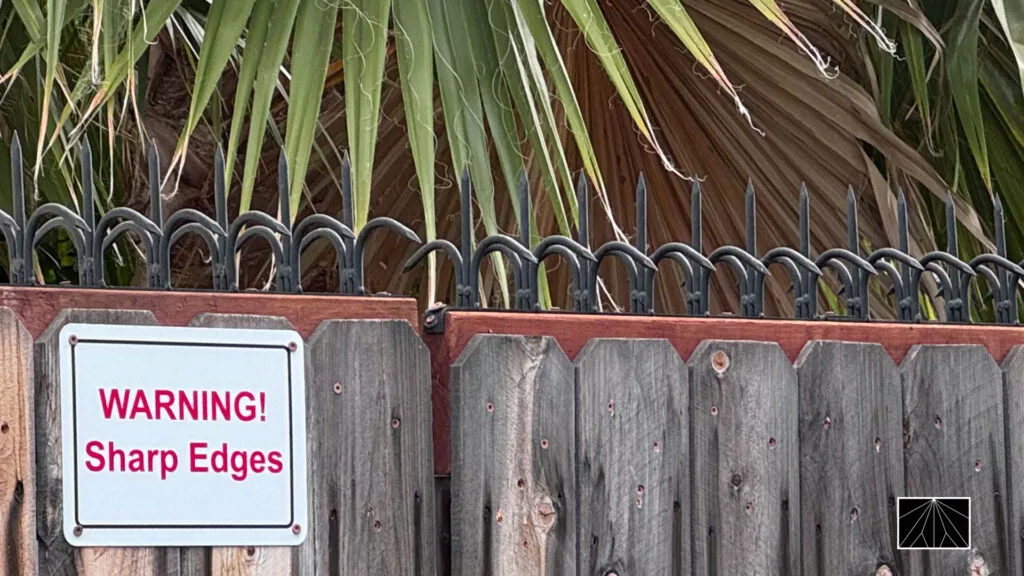
See anti-climb fencing installed across Los Angeles — Venice alleys, Laurel Canyon hillsides, Hollywood stucco coping, Santa Monica glass. Real LA jobs.
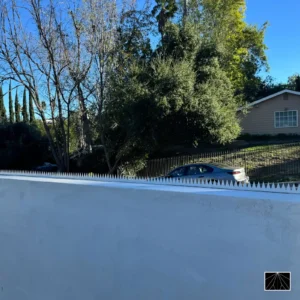
Short answer: Yes. Anti-climb spikes work primarily as a visible deterrent: they signal effort, noise, and injury risk to an intruder, and their geometry removes the hand- and foot-holds needed to scale a wall or fence. They are most effective when installed at the right height, kept continuous along the boundary, paired with warning signage, and combined with lighting or cameras. On private property they are legal in most places — but you must install them responsibly (typically high up, signed, and not overhanging a public path).
Anti-climb spikes (also called wall spikes, fence spikes, or shinobi-gaeshi in their original Japanese form) are one of the oldest and most cost-effective perimeter deterrents. This guide explains whether they actually stop intruders, the legal rules you need to know, how high to fit them, and how they compare with alternatives like razor wire and electric fencing.
Anti-climb spikes deter the large majority of opportunistic intruders, but they are a deterrent rather than an impenetrable barrier. Their value comes from changing the intruder's risk-and-effort calculation before they ever touch the wall.
Studies of how burglars choose targets — the basis of CPTED (Crime Prevention Through Environmental Design), used by police forces worldwide — consistently find that offenders favour easy, low-risk targets and abandon properties that look slow or painful to enter. Visible spikes work on three of those decision factors at once:
In the most-cited offender research — a University of North Carolina at Charlotte study of 422 convicted burglars (Kuhns et al., 2012) — about 60% said they would choose a different target when a property showed active security such as an alarm, and over 75% of break-ins were opportunistic. No published study isolates a single deterrence percentage for spikes alone, but they act directly on the factors burglars weigh: visible effort, time, and injury risk.
What spikes do not do: stop a determined, equipped, targeted attacker, or replace a locked gate, alarm, or camera. They are the passive first layer of a layered defence.
They eliminate the contact points a climber needs and make the top of the wall unusable as a foothold. A person scaling a wall has to grip the top edge and pull up — anti-climb spikes occupy exactly that edge.
On your own property, anti-climb spikes are legal in most countries — provided they are installed reasonably and don't endanger people lawfully passing by. The risk is not the spikes themselves but liability if someone is injured because they were fitted carelessly (too low, unsigned, or overhanging a public footpath).
⚠️ The points below are general principles, not legal advice. Rules vary by country, state, and even local council. Confirm your local regulations before installing.
General principles that apply almost everywhere:
United Kingdom: There is no law banning anti-climb spikes on private property, but under the Occupiers' Liability Acts 1957 and 1984 a property owner owes a duty of care — even to trespassers — not to cause foreseeable injury. The standard industry guidance is to fit spikes above ~2 m with warning signs. Note also the Highways Act 1980, under which a local authority can require removal of spikes or wire adjoining a highway if they injure or endanger people using it.
United States: Generally legal on private property, but governed by state and municipal premises-liability law. Passive deterrents at a reasonable height are normally fine; devices intended to cause serious harm to trespassers (spring guns, traps) are not. Warning signage is strongly advised, and some cities have specific ordinances — check local building/zoning codes.
As a rule of thumb, place anti-climb spikes at the very top of a barrier that is already at least ~1.8–2 m (6–7 ft) high, and keep the spiked line above easy reach of anyone on the public side. Spikes are a top-of-wall product: they finish a barrier that is already too high to step over, rather than turning a low wall into a tall one.
The main trade-off is deterrence and durability vs. cost and aesthetics.
Our spikes are built as a genuine anti-climb product, not a token strip — useful numbers if you're comparing options:
| Series | Profile (per unit) | Material | Blade | Best for | From |
|---|---|---|---|---|---|
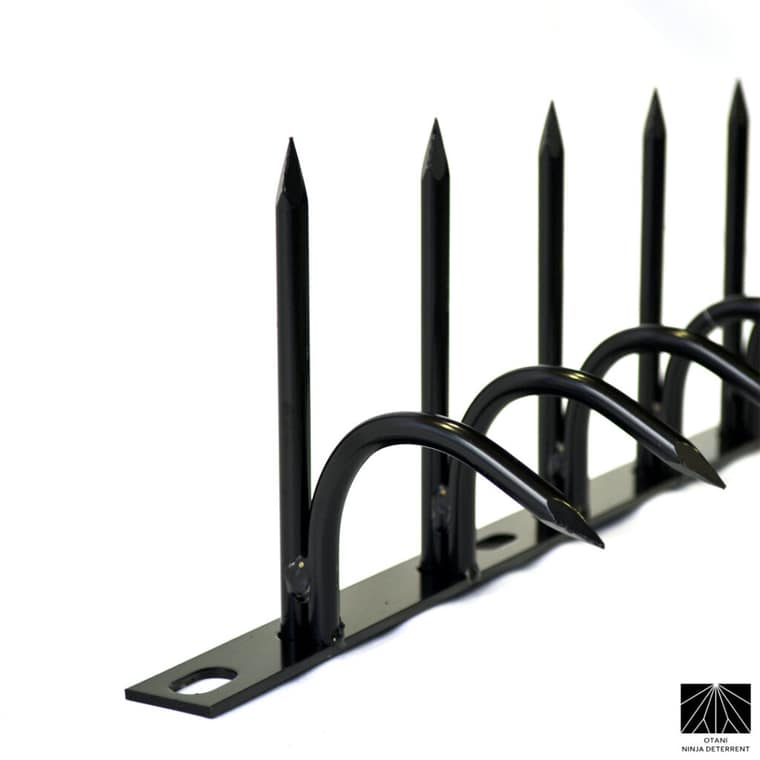
| Classic – Short | 530 mm base, 130 mm high, Ø9 mm spikes | SS400 steel / SUS304 stainless | single / dual | Standard residential wall & gate tops | $150 |
| Classic – Middle | 340 mm high | SS400 / SUS304 | single | Higher-deterrence walls | $200 |
| Classic – Long | 490 mm high | SS400 / SUS304 | single | High-risk / tall boundaries | $220 |
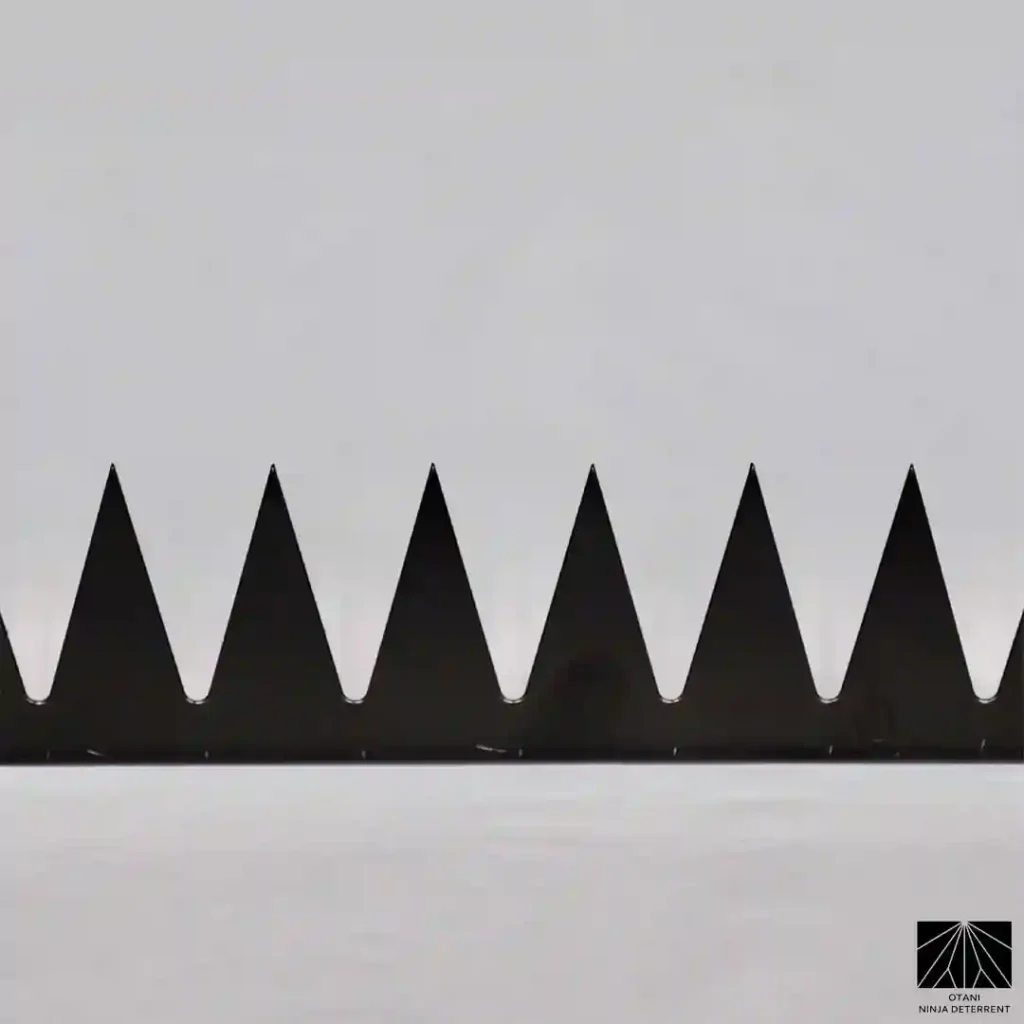
| Modern | 1000 mm long, low-profile 50 mm high | SUS304 stainless | single | Discreet, contemporary frontages | $200 |
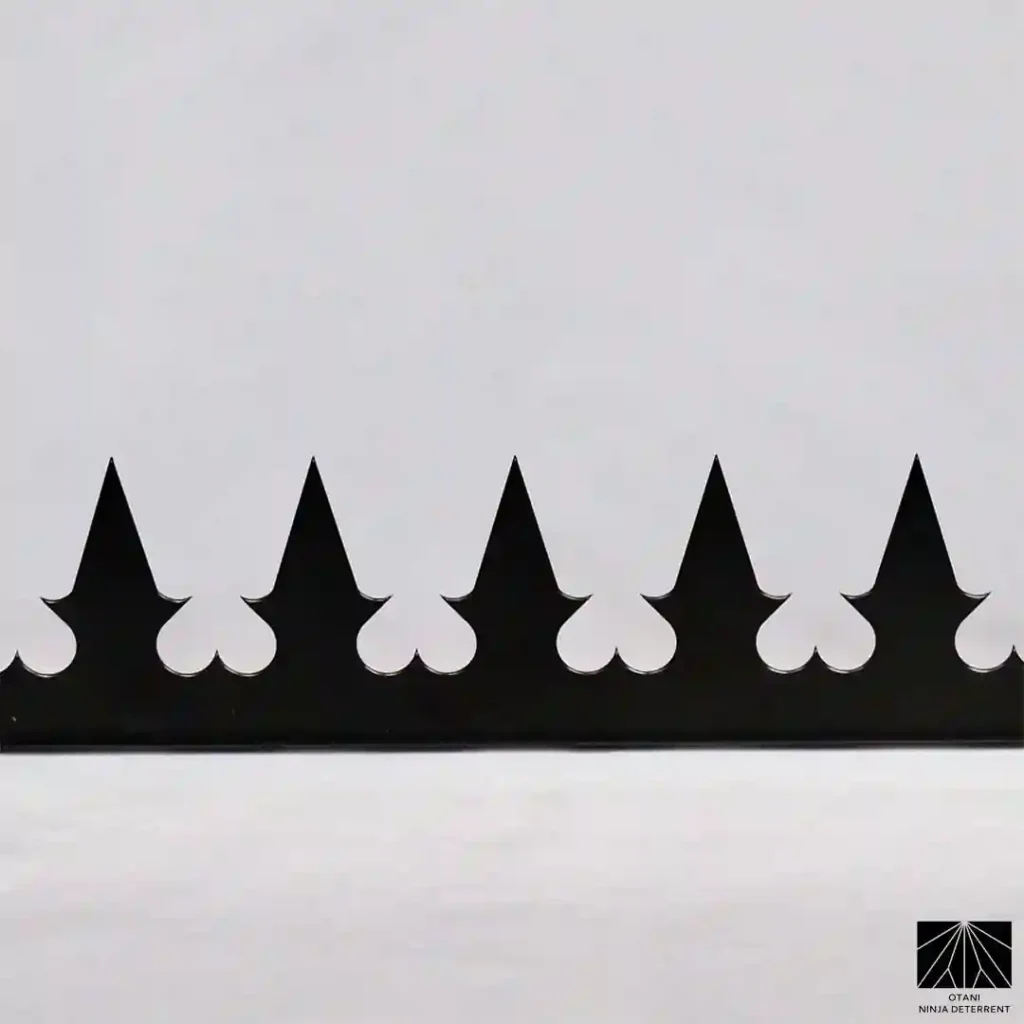
| Gothic | 1000 mm long, 60 mm high | SUS304 stainless | single / dual | Decorative + functional | $200 |
Finishes: Matte Black (powder-coated), Ivory White (powder-coated), and Silver (electropolished / galvanised) to match brick, render, metal, or timber. Stainless (SUS304) is recommended for coastal and high-humidity locations.
See the full range and 3D previews on the products page.
Spikes give the best deterrence-per-dollar with the lowest running cost and liability, but they don't detect or record — so they're strongest as the physical layer in a combined setup.
| Deterrent | Up-front cost | Running cost | Deterrence | Liability / legal | Maintenance | Looks |
|---|---|---|---|---|---|---|
| Anti-climb spikes | Low | None | High (visible) | Low if fitted right | Very low | Can be attractive |
| Razor / barbed wire | Low | None | High | Higher (injury risk, often restricted) | Low–med (rust) | Hostile / industrial |
| Electric fence | High | Ongoing (power) | High | High (regulated, signage required) | High | Industrial |
| CCTV | Med–high | Ongoing | Med (detect/record, not block) | Low | Med | Visible cameras |
| Alarm system | Med | Ongoing (monitoring) | Med (alert, not block) | Low | Low | Hidden |
| Thorny hedge | Low | Low | Med (slow to grow) | Low | High (pruning) | Natural |
The practical takeaway: spikes + lighting + a camera covers physical blocking, removing the cover of darkness, and recording — at a fraction of the cost and hassle of electric fencing.
Yes — chiefly as a visible deterrent. They remove the grip points needed to climb and signal effort and injury risk, which causes most opportunistic intruders to choose an easier target. They are a first layer, not a substitute for locks, alarms, and cameras.
In most countries, yes, on your own boundary — if installed responsibly: high up (commonly ~2 m / 7 ft and above where bordering public space), clearly signed, and not overhanging a public path. Rules vary locally; this is general information, not legal advice.
Fit them at the top of a barrier that is already about 1.8–2 m (6–7 ft) high, and keep the spiked line above easy reach from the public side. Run them continuously so there is no unspiked climbing point.
Anti-climb wall spikes are designed to deter climbing, not to impale. Animals generally avoid the uneven surface. For bird-roosting problems specifically, narrow-gauge bird spikes are the right product rather than wall spikes.
Powder-coated SS400 steel is strong and cost-effective for most homes. SUS304 stainless steel is best for coastal, humid, or commercial sites where corrosion resistance matters most.
Yes — most residential spikes fix with screws or bolts (and adhesive for lighter types) to a clean, sound surface. See our step-by-step installation guide.

Written by
Kojiro OtaniFounder of Saitani-Ya Co., Ltd. and creator of the Ninja Deterrent® brand. Drawing on Japan's tradition of shinobi-gaeshi, he designs and manufactures anti-climb security spikes that pair real deterrence with architectural beauty — writing from first-hand experience in their engineering, production, and real-world installation.
Jul 22, 2026
See anti-climb fencing installed across Los Angeles — Venice alleys, Laurel Canyon hillsides, Hollywood stucco coping, Santa Monica glass. Real LA jobs.
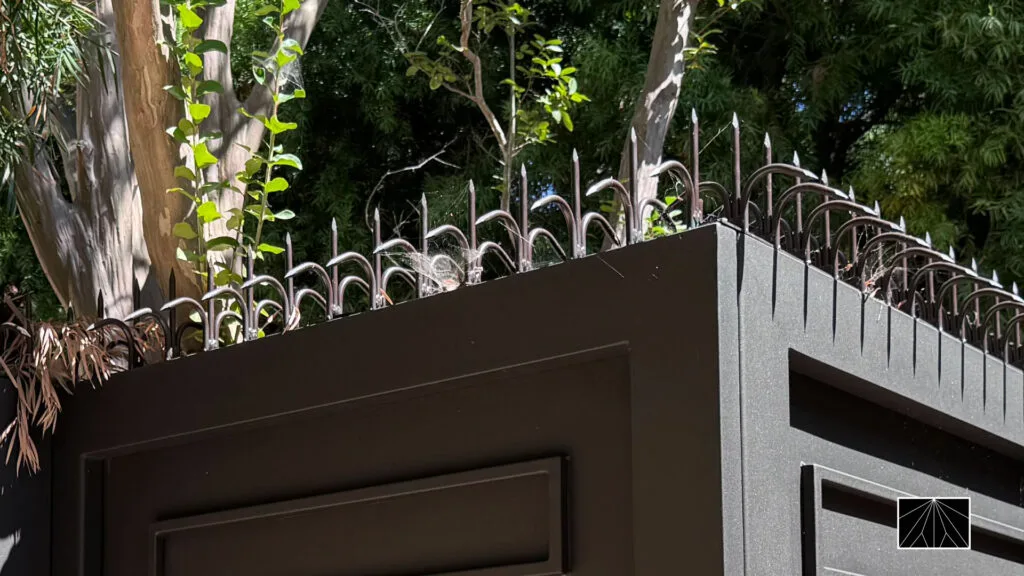
Jul 12, 2026
Explore anti-climb spikes for walls and fences. Compare types, materials, and aesthetics to find the best security solution, featuring premium options like Ninja Deterrent.
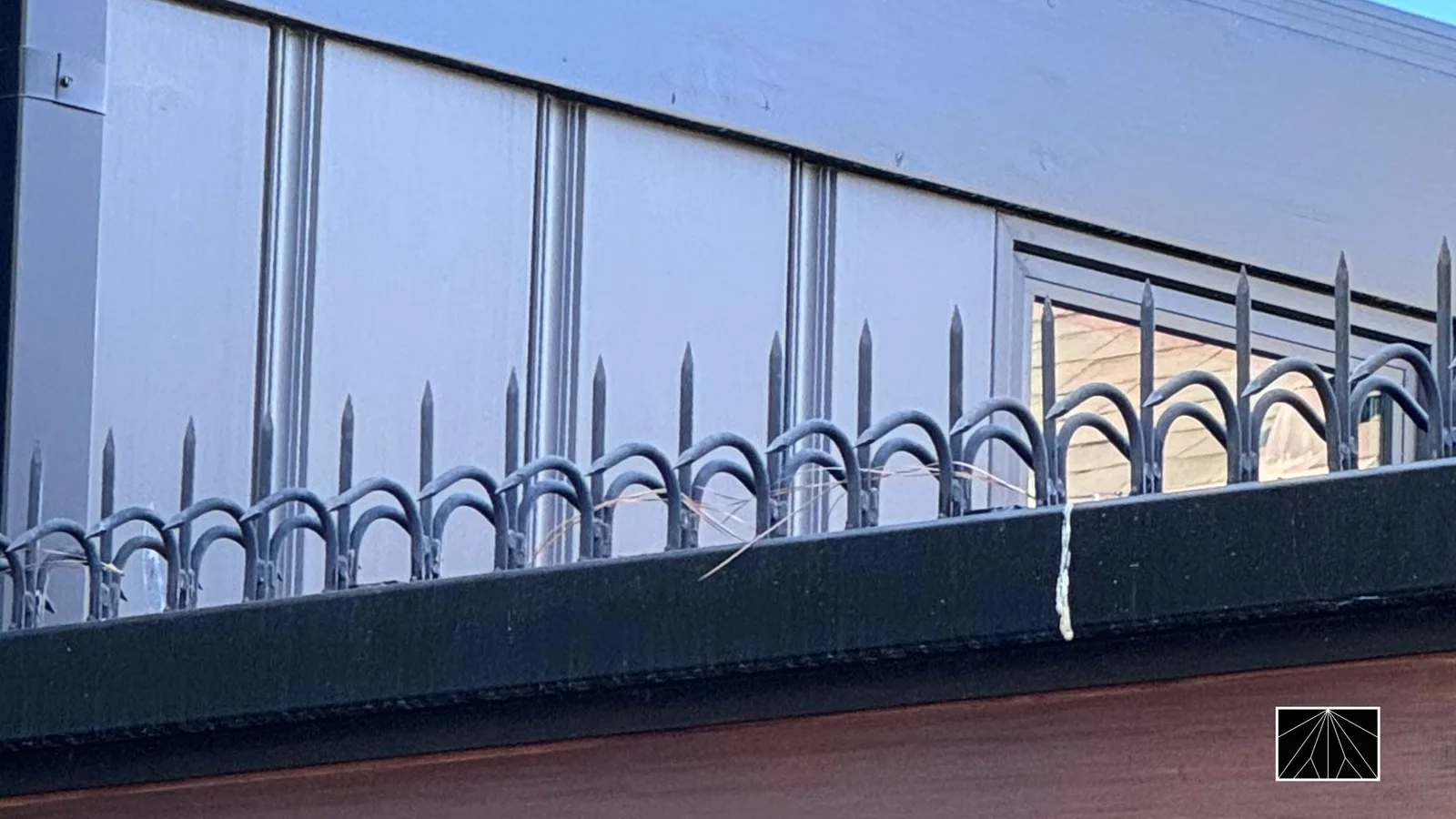
Jul 11, 2026
Discover how visible anti-climb deterrents, like Ninja Deterrent's architectural spikes, enhance home security beyond alarms. Learn their role in preventing burglaries.
Choose a series and a wall, then place it life-size in your own space with AR — before you order.

Choose a series and a wall, then place it life-size in your own space with AR — before you order.
Our standard series not quite right? We design and manufacture fully custom anti-climb systems tailored to your exact specifications — unique profiles, dimensions, materials, and finishes.
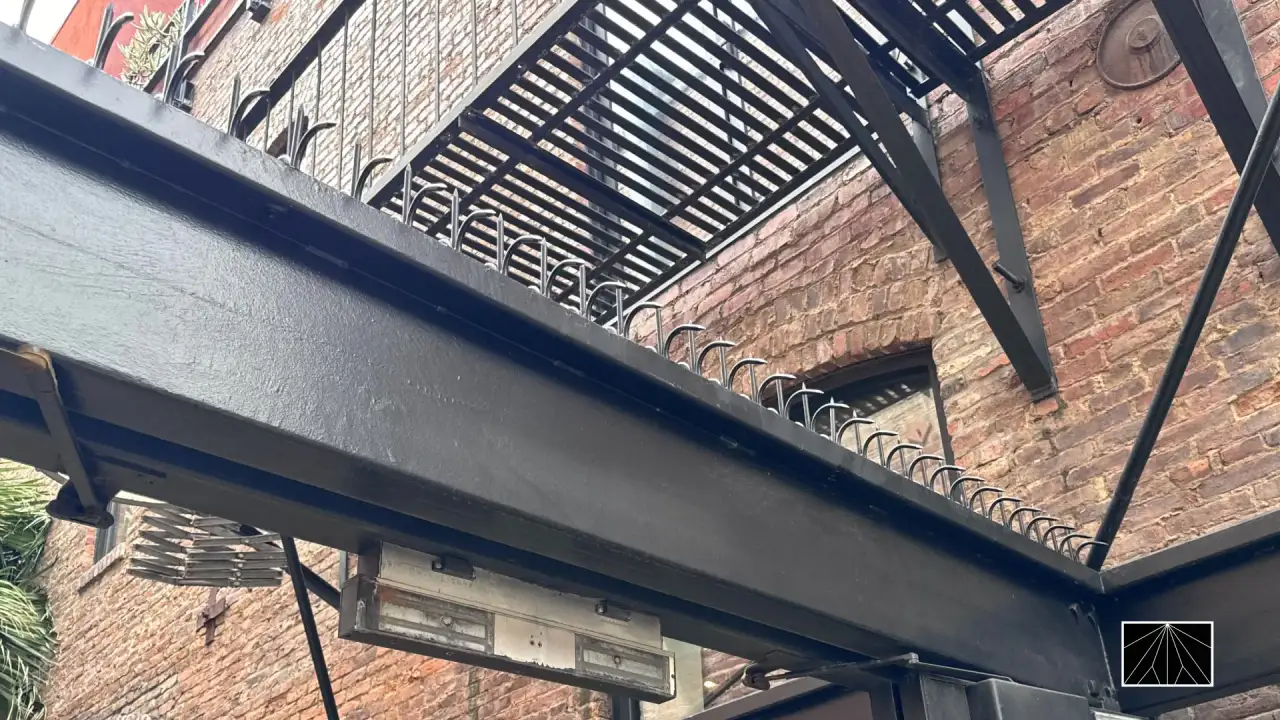
For general inquiries about our products or consultation regarding installation, please contact us.
Schedule a free online consultation with our team. Pick a time that works for you — available slots are shown in your local time zone.