Jul 22, 2026
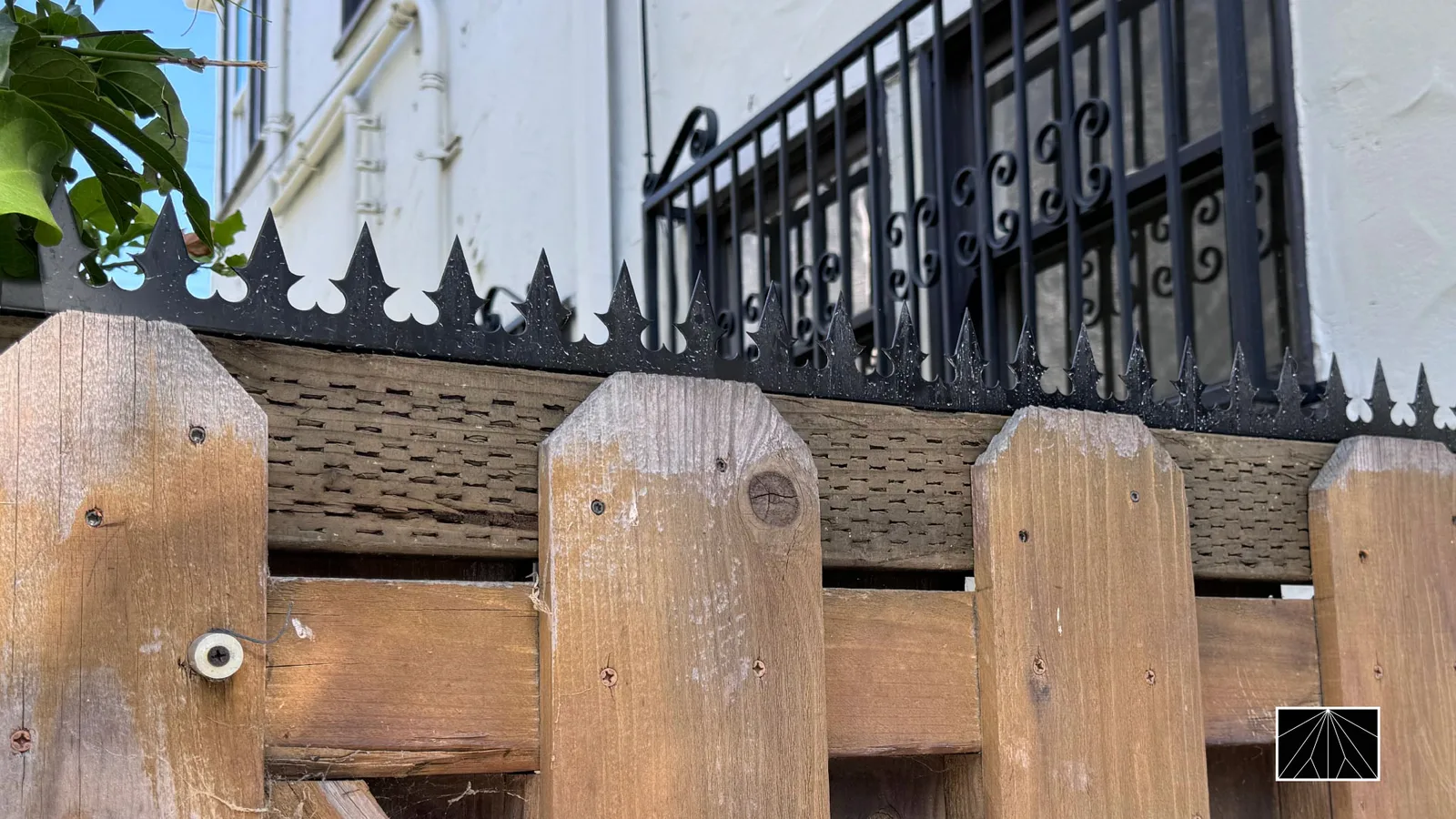
Anti-Climb Fencing in Los Angeles: Installed Case Studies
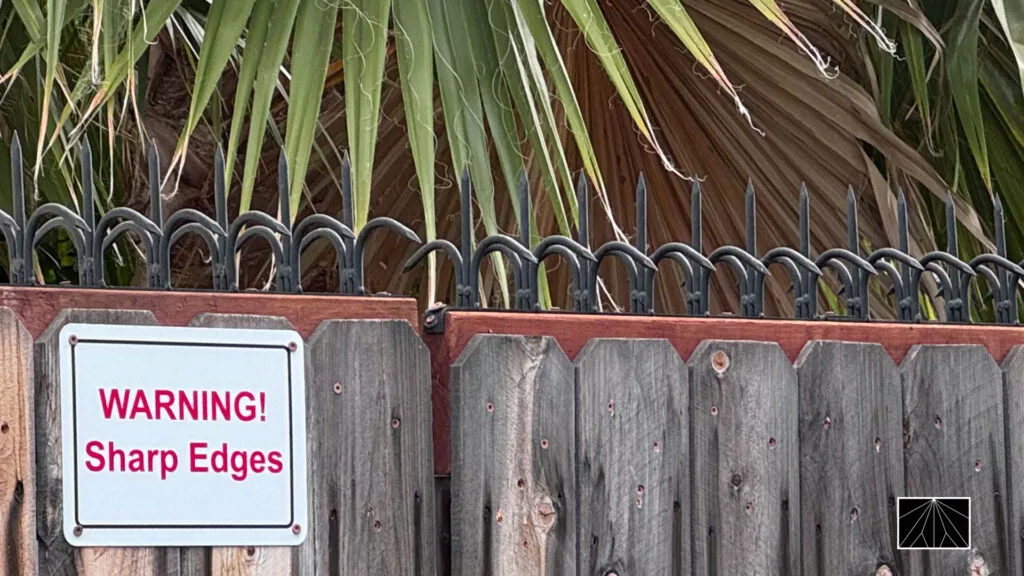
See anti-climb fencing installed across Los Angeles — Venice alleys, Laurel Canyon hillsides, Hollywood stucco coping, Santa Monica glass. Real LA jobs.
Key takeaways
- Burglary is overwhelmingly opportunistic — over 75% of break-ins are crimes of opportunity — so a visibly hard-to-climb boundary quietly moves your home off the "easy target" list.
- Decorative steel and stainless spikes deter as effectively as hostile barriers like razor wire, but without the legal headaches or the prison-yard look.
- Fit anti-climb spikes at least 2 m (about 7 ft) above the ground, angle the overhang outward, and add a warning sign to stay on the right side of the law.
- Choose a finish that flatters your property — Classic, Modern, Gothic, Forest or Iris — and pair spikes with lighting and a visible alarm for layered defence.
Wall and fence security spikes are one of the most cost-effective passive defences a homeowner can fit. The visible presence of spikes along a boundary signals that climbing over will be slow, painful and conspicuous — exactly the friction an opportunist wants to avoid. This guide covers both halves of the job: how to choose the right spikes for your wall or fence, and how to install them correctly, legally and attractively.\n\n> Planning a wall or fence upgrade? Compare our anti-climb spike range or request a free consultation for help matching the material, finish and mounting approach to your boundary.
Yes. Most burglars are opportunists — over 75% of break-ins are crimes of opportunity — so they avoid anything that adds time, effort or injury risk. A wall topped with visible spikes advertises a slow, awkward, painful climb, nudging the opportunist toward an easier property. Spikes deter on sight, long before anyone touches them.
The evidence is consistent. In a University of North Carolina at Charlotte study of 422 convicted burglars (Kuhns et al., 2012), 83% said they would check for an alarm before attempting a break-in, and around 60% would choose a different target if one was present. The same logic applies to physical barriers: burglars optimise for quick, quiet entry. According to the FBI, entry often takes under a minute, and intruders are typically inside for only 8–12 minutes — every extra second exposed raises the risk of being caught, so a boundary that forces a noisy, time-consuming climb directly attacks that calculation. For the deeper evidence base, see our companion piece on whether anti-climb spikes really work.
Match the material, height and finish to your property and threat level. For most homes, powder-coated steel or stainless decorative spikes offer the best balance of durability, deterrence and kerb appeal. Measure your wall or fence top, check local rules on height and signage, then pick a finish that complements — rather than fights — your architecture.
The main types you will encounter are:
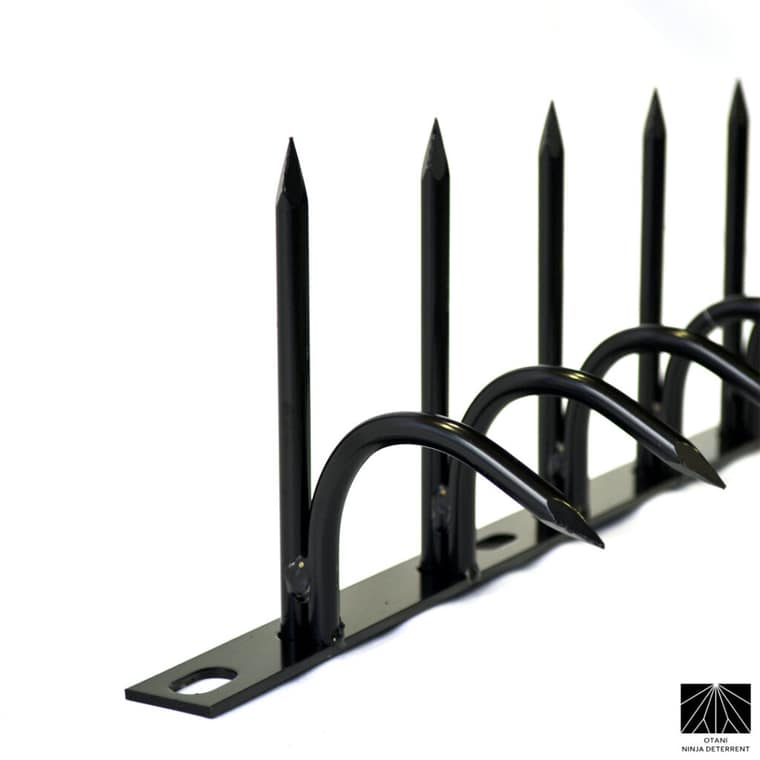
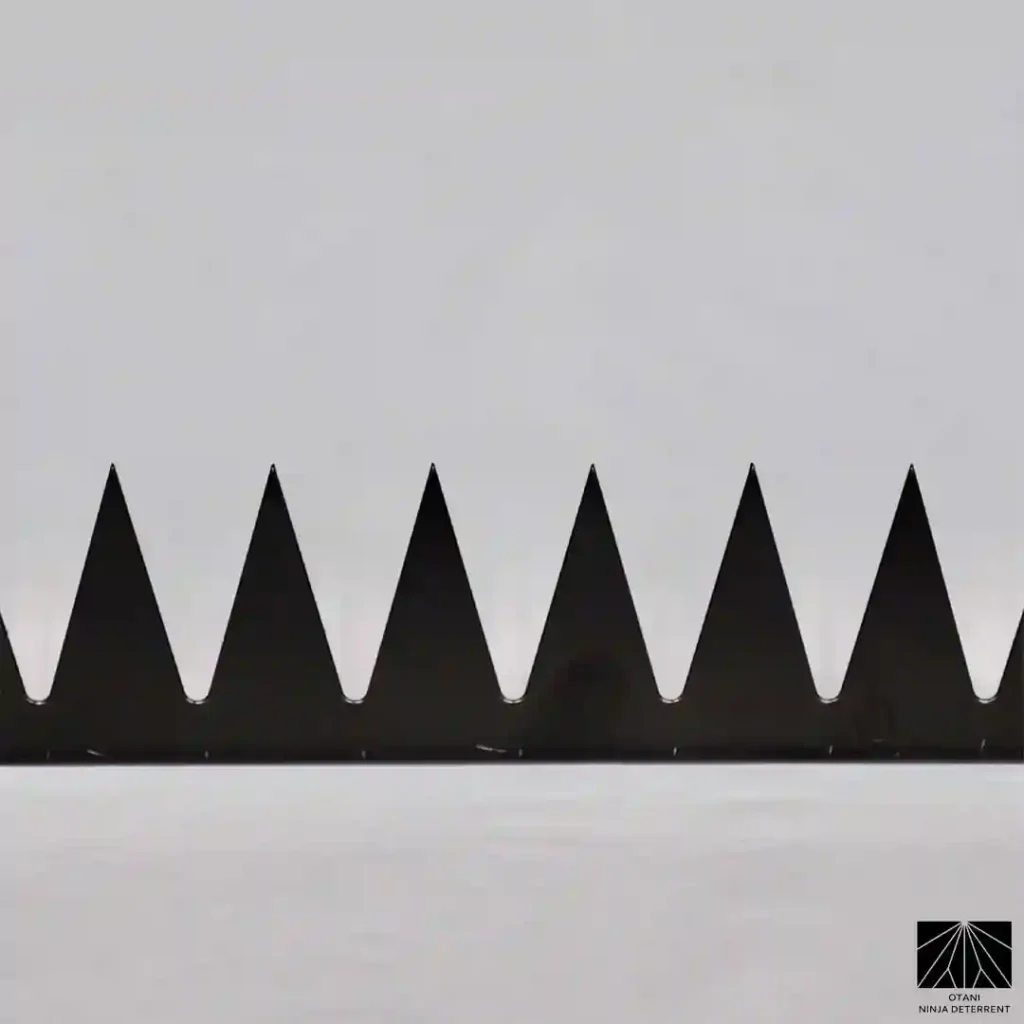
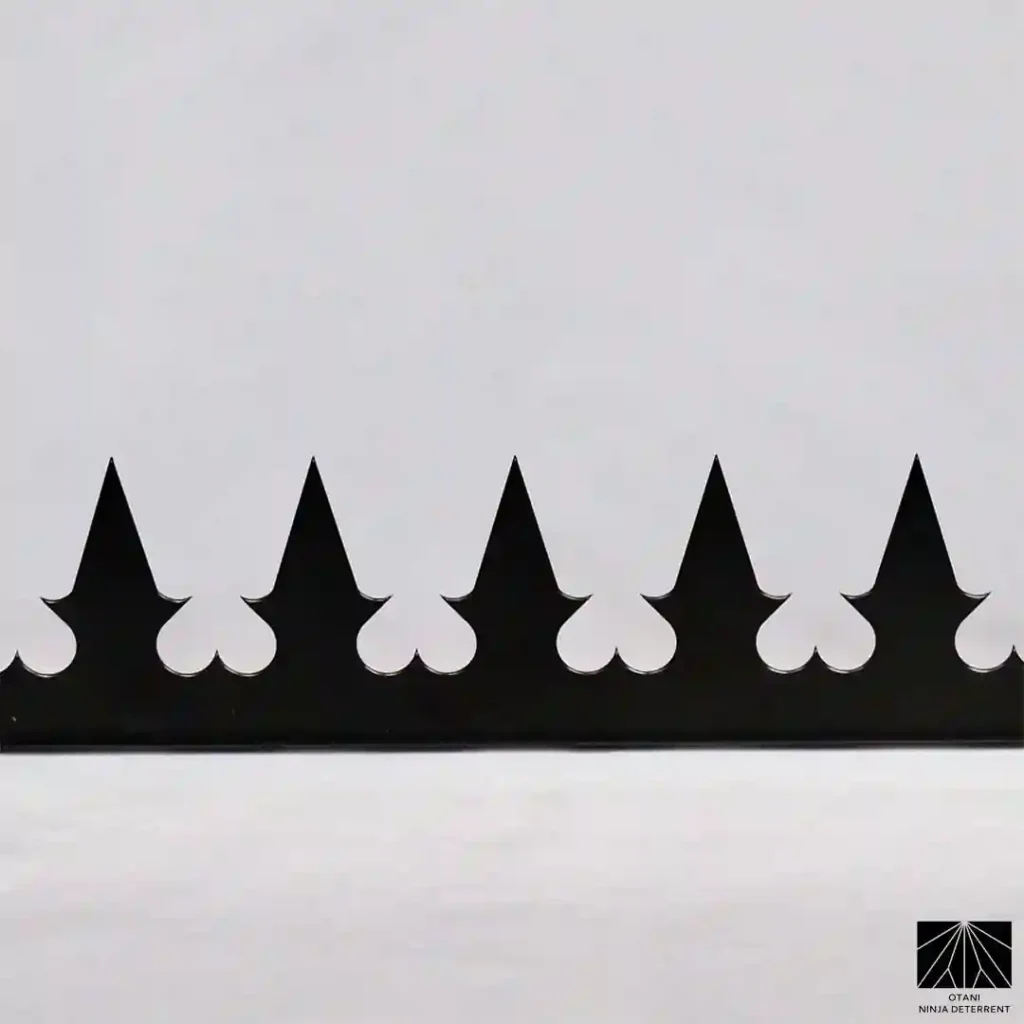
This is where finish matters as much as function. A hostile-looking deterrent can devalue a handsome property and irritate neighbours; a well-designed one reads as craftsmanship. Our Classic series suits traditional masonry and period homes, Modern lends a crisp minimalist line to contemporary builds, and Gothic adds a sculptural, wrought-iron character. For owners who want the boundary to feel like garden detailing, the botanical Forest and Iris series disguise the deterrent as ornament. If your wall top has an unusual profile or you want a one-off finish, a bespoke order lets us tailor the geometry and colour. The principle behind all of this is set out in our beautiful security design philosophy: a deterrent works best when people want to keep it.
Decorative spikes occupy a sweet spot — strong deterrence, modest cost, and an appearance most neighbourhoods and HOAs will accept. Razor wire deters but is hostile, often restricted, and a liability if the public can reach it. Paint and CCTV are useful complements rather than barriers. The table below summarises the trade-offs.
| Option | Deterrence | Injury risk (intruder / public) | Legality | Aesthetics | Rough cost |
|---|---|---|---|---|---|
| Decorative steel / stainless spikes | High, on sight | Low–moderate / low when fitted ≥ 2 m | Generally legal with a warning sign | High — looks architectural | ££ |
| Razor / barbed wire | High | Severe / high | Often restricted or banned in residential areas; HOA conflicts common | Poor — industrial, hostile | £ |
| Anti-climb (anti-vandal) paint | Low–moderate (acts on contact) | Low / low | Legal with a warning sign; must be ≥ 2 m | Neutral / near-invisible | £ |
| Roller barriers | Moderate–high | Very low / very low | Widely accepted, public-facing friendly | Moderate | £££ |
| CCTV | Moderate–high but reactive | None / none | Legal (observe privacy rules) | Neutral | ££–£££ |
Spikes and CCTV are natural partners: one makes the climb hard, the other makes it recorded. Layering a visible deterrent with a visible camera targets both of the things offenders weigh — effort and the risk of being caught.
Mount spikes to a clean, sound surface along the most vulnerable runs, spaced for continuous coverage with no exploitable gaps. Use adhesive for light plastic strips and screws or bolts for steel systems, fixing into solid masonry or the fence rail rather than cladding. Angle the strip so the points lean slightly outward, then test every section for movement before you finish.
A reliable sequence:
Height does much of the work before spikes are even fitted. As a rule of thumb, a boundary of around 6 ft acts as a basic deterrent, about 8 ft is genuinely effective, and 12 ft or more is high-security territory. Spikes then convert the top edge from a handhold into a hazard, which is why placement at the crest matters as much as the wall's height.
Fit the deterrent so the spikes themselves sit at least 2 m (about 7 ft) above the ground on the climbing side — this is both the practical and the legal threshold. For the overhang, a forward projection of roughly 30–45 mm angled 10–15° outward is enough to defeat the over-the-top grab without creating an aggressive, public-facing hazard. The goal is to make the easiest line of attack — vaulting the top — the hardest part of the climb.
In most jurisdictions, yes — provided they are fitted responsibly. The widely accepted rule of thumb is to install anti-climb measures at least 2 m (about 7 ft) above ground, display a clear warning sign, and ensure they cannot injure people on the public side of the boundary. Liability, not the spikes themselves, is what the law cares about.
A few specifics worth checking before you buy: many US homeowners' associations and local ordinances restrict sharp spikes or razor wire, so confirm your local rules first. In the UK, rear and side boundaries are generally permitted up to around 2 m without planning permission, and reasonable anti-climb measures above that line are accepted when signposted and sited away from where the public could brush against them. Because decorative spikes are designed to deter rather than maim, they sit comfortably within these guidelines in a way that razor wire often does not — another reason the well-designed option is also the safer legal choice.
Security spikes are close to fit-and-forget, but a quick seasonal check keeps them effective. Inspect for corrosion, damage and loosened fixings; clean off dirt, moss and bird droppings that can mask wear; and replace any broken or missing section promptly so no easy gap opens up. A two-minute walk of the perimeter each season is all it takes.
While you are at it, reassess the whole boundary. New garden furniture, a relocated bin store or a maturing tree can quietly create a fresh climbing aid that undoes an otherwise solid line. Treat the spikes as one layer in a system: keep sightlines clear, lighting working and any visible alarm obvious from the street, and the deterrent compounds.
Choosing and fitting the right spikes is the difference between a boundary that merely looks defended and one that genuinely is — without turning your home into a fortress. Browse the full product range to find a finish that protects your property while flattering it, or talk to us about a bespoke order for an unusual wall or a one-off design.
They deter far more than they physically stop, which is exactly what matters. Over 75% of burglaries are opportunistic, so a visibly hard, slow, painful climb pushes most intruders toward an easier target. Spikes work best as one layer alongside lighting, good locks and a visible alarm.
Fit anti-climb spikes at least 2 metres (about 7 feet) above the ground on the climbing side. This is the practical height that defeats a casual vault and also the threshold most legal guidance uses. Pair them with a boundary of 6–8 feet or more for genuinely effective security.
In most places, yes, provided they are fitted responsibly — at least 2 m above ground, with a warning sign, and positioned so they cannot injure anyone on the public side. Rules vary, and many US HOAs and local ordinances restrict sharp spikes or razor wire, so always check your local regulations first.
For homes, almost always. Decorative spikes deliver comparable deterrence but look like architectural detailing, avoid the severe injury risk of razor wire, and are far more likely to satisfy neighbours, councils and HOAs. Razor wire is hostile, frequently restricted in residential areas, and a real liability where the public can reach it.
Set strips at even intervals of roughly 12–18 inches (30–45 cm) so coverage is continuous with no exploitable gaps. Angle the points 10–15 degrees outward over the approach, and fix into solid masonry or the fence rail rather than into cladding. Push-test each section once installed.
Very little. A seasonal check for corrosion, loose fixings and damage, plus a quick clean of dirt and bird droppings, keeps them performing for years. Replace any broken or missing section straight away so no easy gap appears, and reassess the boundary for new climbing aids such as bins or furniture.
If you're ready to specify a boundary, browse our anti-climb spike range — decorative steel and stainless profiles designed to deter by grip-denial, not by injury — or start a custom order for a bespoke fit. Every product page shows the finish, blade type and size so you can match the spec to the guidance above.

Written by
Kojiro OtaniFounder of Saitani-Ya Co., Ltd. and creator of the Ninja Deterrent® brand. Drawing on Japan's tradition of shinobi-gaeshi, he designs and manufactures anti-climb security spikes that pair real deterrence with architectural beauty — writing from first-hand experience in their engineering, production, and real-world installation.
Jul 22, 2026
See anti-climb fencing installed across Los Angeles — Venice alleys, Laurel Canyon hillsides, Hollywood stucco coping, Santa Monica glass. Real LA jobs.
Jul 12, 2026
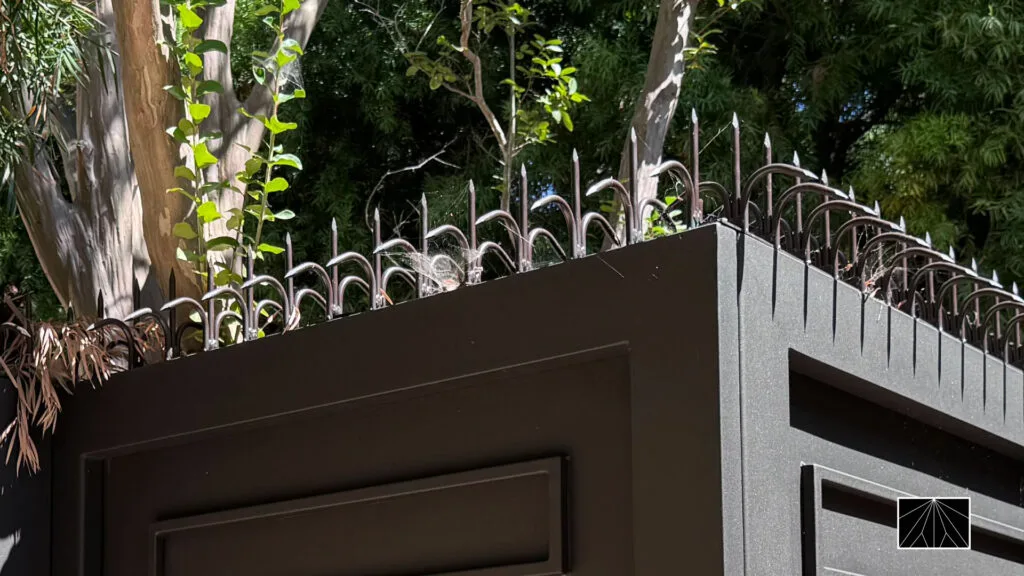
Explore anti-climb spikes for walls and fences. Compare types, materials, and aesthetics to find the best security solution, featuring premium options like Ninja Deterrent.
Jul 11, 2026
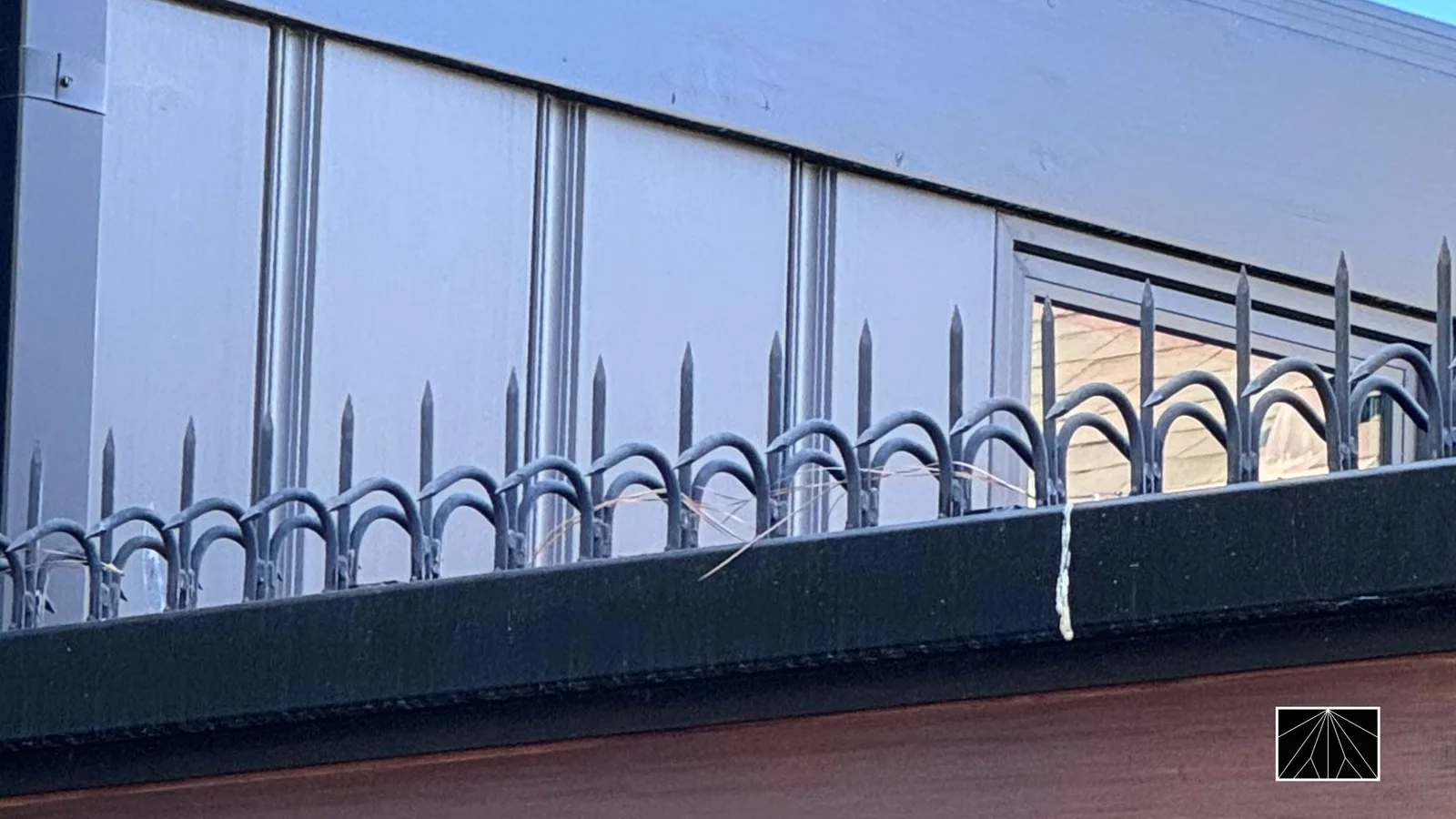
Discover how visible anti-climb deterrents, like Ninja Deterrent's architectural spikes, enhance home security beyond alarms. Learn their role in preventing burglaries.
Choose a series and a wall, then place it life-size in your own space with AR — before you order.

Choose a series and a wall, then place it life-size in your own space with AR — before you order.
Our standard series not quite right? We design and manufacture fully custom anti-climb systems tailored to your exact specifications — unique profiles, dimensions, materials, and finishes.
For general inquiries about our products or consultation regarding installation, please contact us.
Schedule a free online consultation with our team. Pick a time that works for you — available slots are shown in your local time zone.