Jul 22, 2026
Anti-Climb Fencing in Los Angeles: Installed Case Studies
See anti-climb fencing installed across Los Angeles — Venice alleys, Laurel Canyon hillsides, Hollywood stucco coping, Santa Monica glass. Real LA jobs.
Column
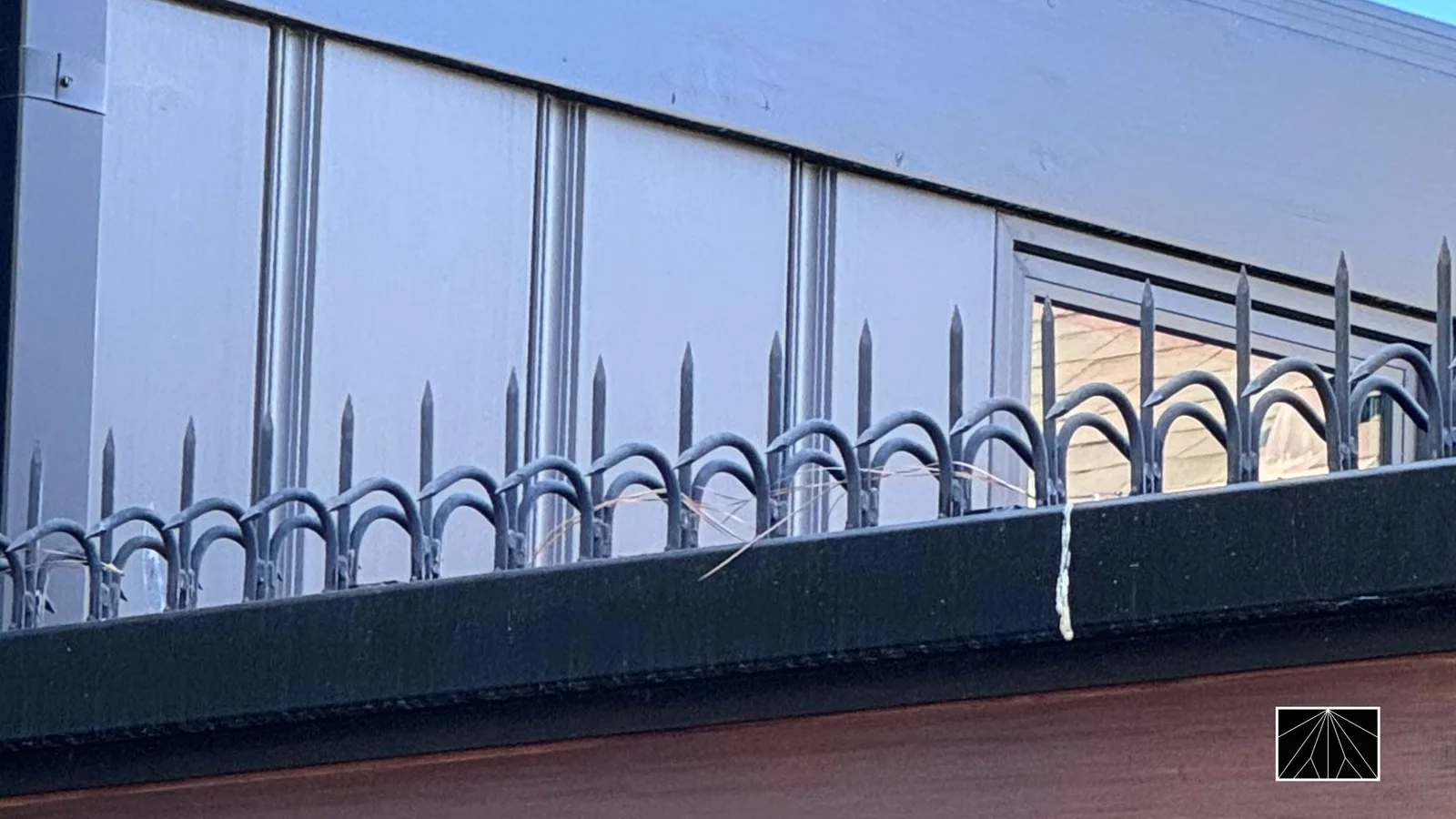
TL;DR: Fitting security spikes is a quick job that consists of three decisions: which part of the boundary has weak points, what material is the top of that boundary is made from, and what the local regulations are for height and signage. Get those right and the installation itself is merely drilling and bolting. Ninja Deterrent sections are pre-drilled and factory-finished for exactly that reason.
Secure the top of the fence or gate as a potential place to hands or feet. A climb is a sequence: reach, pull, brace, then hop over. The base at the top is what needs a flat, load-bearing surface, and it is the part where a spiked section shines. That is why reinforcing of a wall is more effective than raising the wall higher.
Start by walking the boundary and finding what an intruder would notice: the garbage bin storage against the side fence, flat garage roof, the low section behind the garden shed, or the drain-pipe next to the gate. Spikes fitted along the front wall, while a wheelie bin sits next to an unprotected side fence solve nothing.
Follow the route, not just the front.
A short walk to inspect and acknowledge vulnerabilities in the perimeter beats the extra cost and loss due to burglaries.
On private property and most jurisdictions, yes. However, the owner should always check and follow the local regulations before ordering.
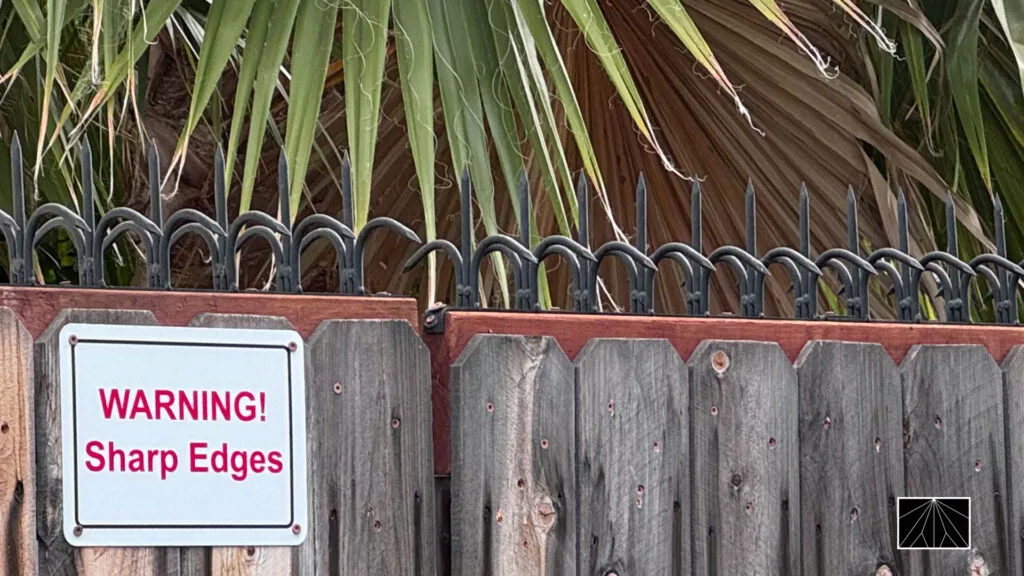
Local authorities commonly regulate the height at which spikes should be fitted, expect them to be plainly visible rather than concealed, and require warning signage where a boundary adjoins a public property. Concealed deterrents are the ones that create liability, because the duty of care owed even to a trespasser is not zero in most legal systems. In a rented or leasehold property, check the lease as well as the local rules.
None of this is an argument against spikes. It is an argument for the visible, and well-marked security, which is also the kind that deters before anyone touches the property.
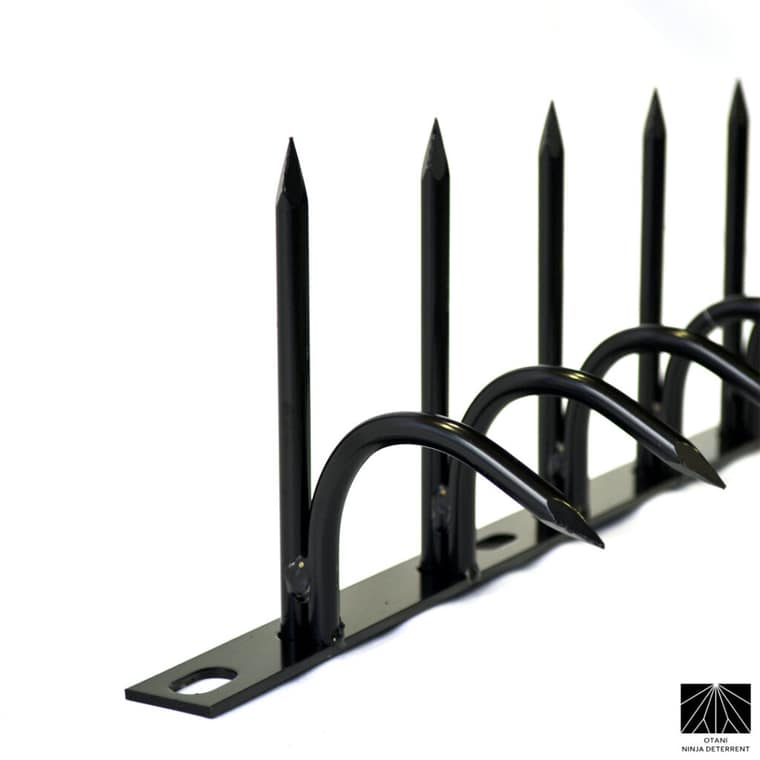
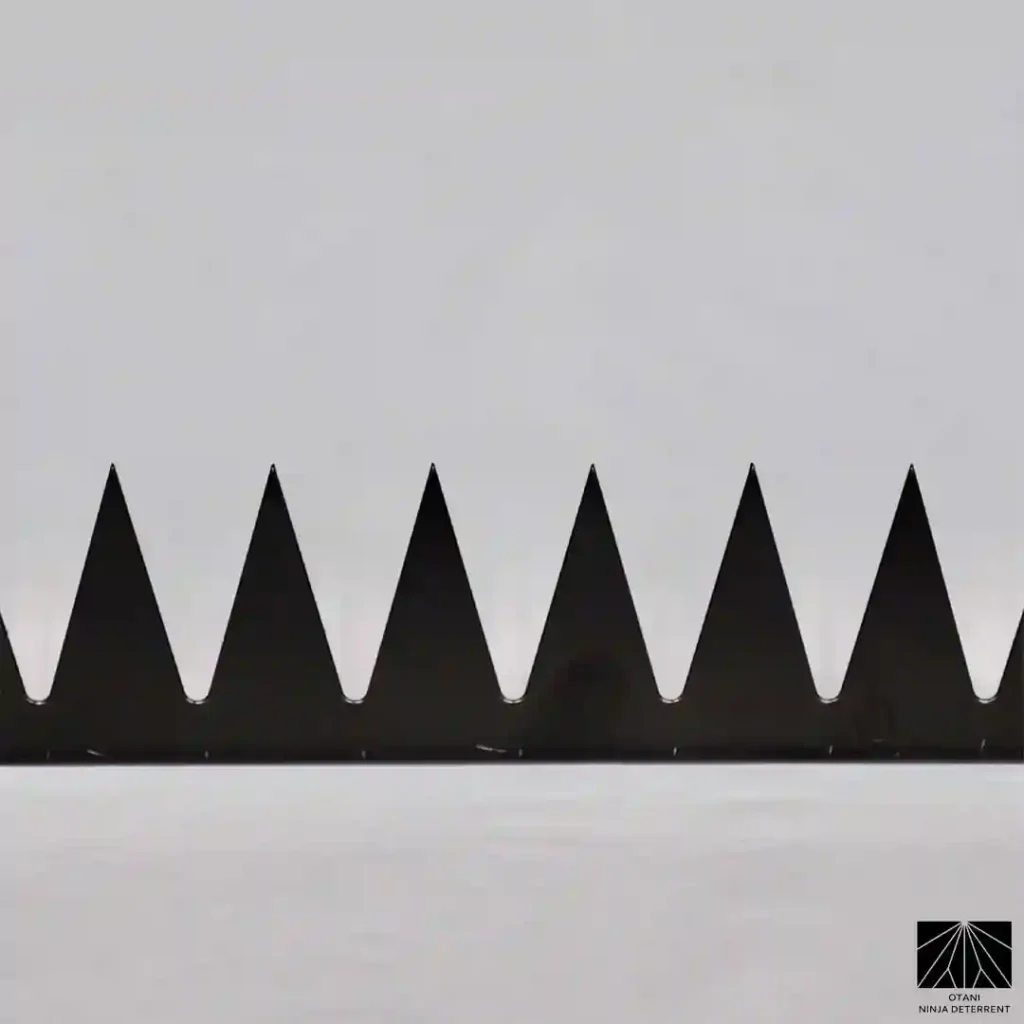
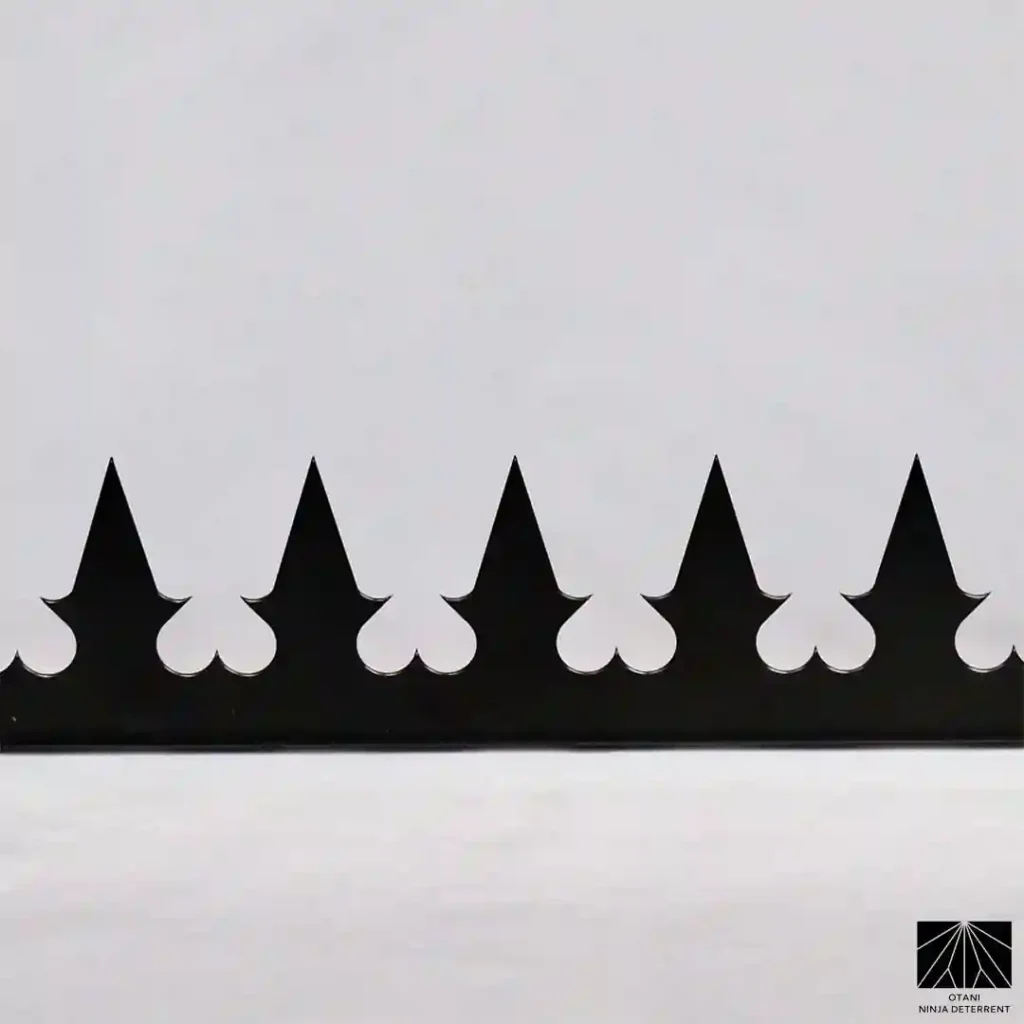
Ninja Deterrent makes five profiles, and the choice is mostly a question of what the boundary looks like.
Material follows the environment rather than the series: SUS304 stainless steel near the coast or where roads are often salted in winter, powder-coated SS400 structural steel inland, AL5052 aluminum where the substrate cannot carry much weight.
Sections arrive pre-drilled and factory-finished, so the work on site is quick, just drilling and bolting. The fixings follow the substrate rather than the spikes: masonry anchors into brick and concrete, coach screws into sound timber, bolts through steel. Step-by-step layout, spacing and substrate guidance is in the installation guide.
Three things are worth planning before installation:
Ninja Deterrent is sold by the section, rather than by the length of wall: Classic sections are 530 mm wide, Modern and Gothic 1,000 mm. Classic starts at $220 per section in SS400 steel. Modern and Gothic at $300 per section in SUS304 stainless steel. Classic in SUS304, and the Forest and Iris series are quoted on request. Current prices are on the products page.
Fixings and labor are separate, and on a long boundary they are the larger number of the two.
| Ninja Deterrent (architectural sections) | Generic bolt-on steel spikes | Razor / barbed wire | |
|---|---|---|---|
| Appearance | Designed as a visible architectural element | Industrial | Industrial, often unwelcome in residential streets |
| Deterrent effect | Removes brace point, visible before the attempt | Removes the brace point | High, with a high injury risk |
| Materials | SUS304, SS400, AL5052 | Galvanized or basic steel | Galvanized or stainless wire |
| Fitting | Pre-drilled sections, bolt-on | Bolt-on or weld-on, varies | Specialist handling |
| Sold by | The section, 530 mm or 1,000 mm | The strip | The roll, priced per linear foot |
| Suits | Homes, offices, heritage and architect-designed properties | Utility and service areas | Industrial sites, temporary works |
Brick, concrete, timber and metal can all be retrofitted; what changes is the installation method. The question to ask is not whether the section will fit, but whether the substrate will hold securely under load. Soft old brick, rusted or rotten gate rails and thin sheet cladding need to be taken care of first.
For a short run on sound masonry or timber, with a drill and the right anchors and a level, yes. Bring in a contractor for longer section installs and sections above head height, on public boundary, and for anything else where the substrate is difficult. Working at height is risky in this job.
They remove the weak point of the climb that needs a stable brace, and they do it visibly, which is effective. Access control of this kind is one of the standards of Crime Prevention Through Environmental Design: change the route rather than rely on detecting an intrusion after it starts.
Rinse dirty, check the fixings once a year, and touch up any chip in the powder coating on SS400 that reaches bare steel. On stainless, avoid steel wool and chlorine-based cleaners.
Directly from ninja-deterrent.jp, shipping worldwide from Japan. Trade, specification and project enquiries go through the wholesale page.

Written by
Kojiro OtaniFounder of Saitani-Ya Co., Ltd. and creator of the Ninja Deterrent® brand. Drawing on Japan's tradition of shinobi-gaeshi, he designs and manufactures anti-climb security spikes that pair real deterrence with architectural beauty — writing from first-hand experience in their engineering, production, and real-world installation.
Jul 22, 2026
See anti-climb fencing installed across Los Angeles — Venice alleys, Laurel Canyon hillsides, Hollywood stucco coping, Santa Monica glass. Real LA jobs.
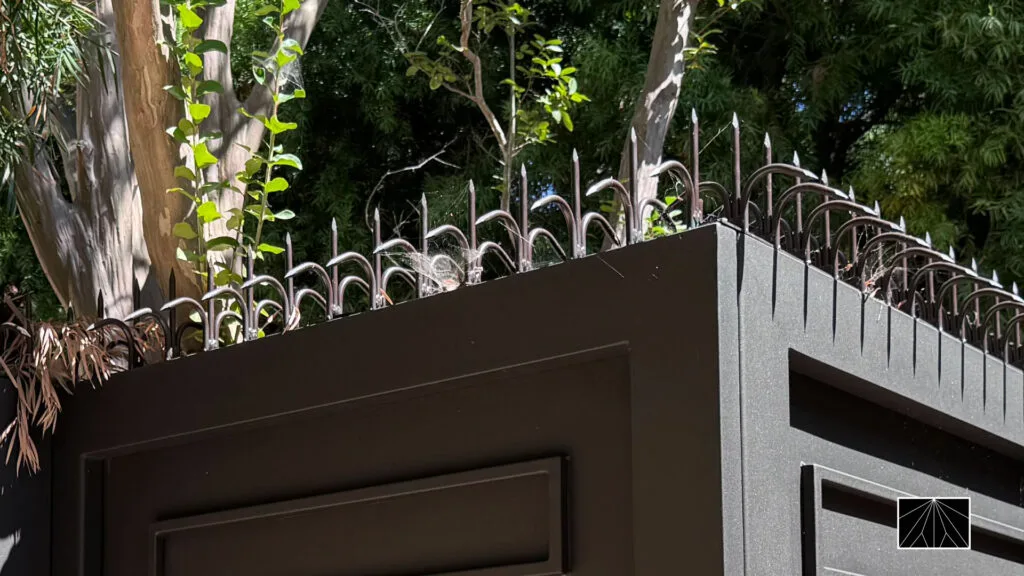
Jul 12, 2026
Explore anti-climb spikes for walls and fences. Compare types, materials, and aesthetics to find the best security solution, featuring premium options like Ninja Deterrent.
Jul 11, 2026
Discover how visible anti-climb deterrents, like Ninja Deterrent's architectural spikes, enhance home security beyond alarms. Learn their role in preventing burglaries.
Choose a series and a wall, then place it life-size in your own space with AR — before you order.

Choose a series and a wall, then place it life-size in your own space with AR — before you order.
Our standard series not quite right? We design and manufacture fully custom anti-climb systems tailored to your exact specifications — unique profiles, dimensions, materials, and finishes.
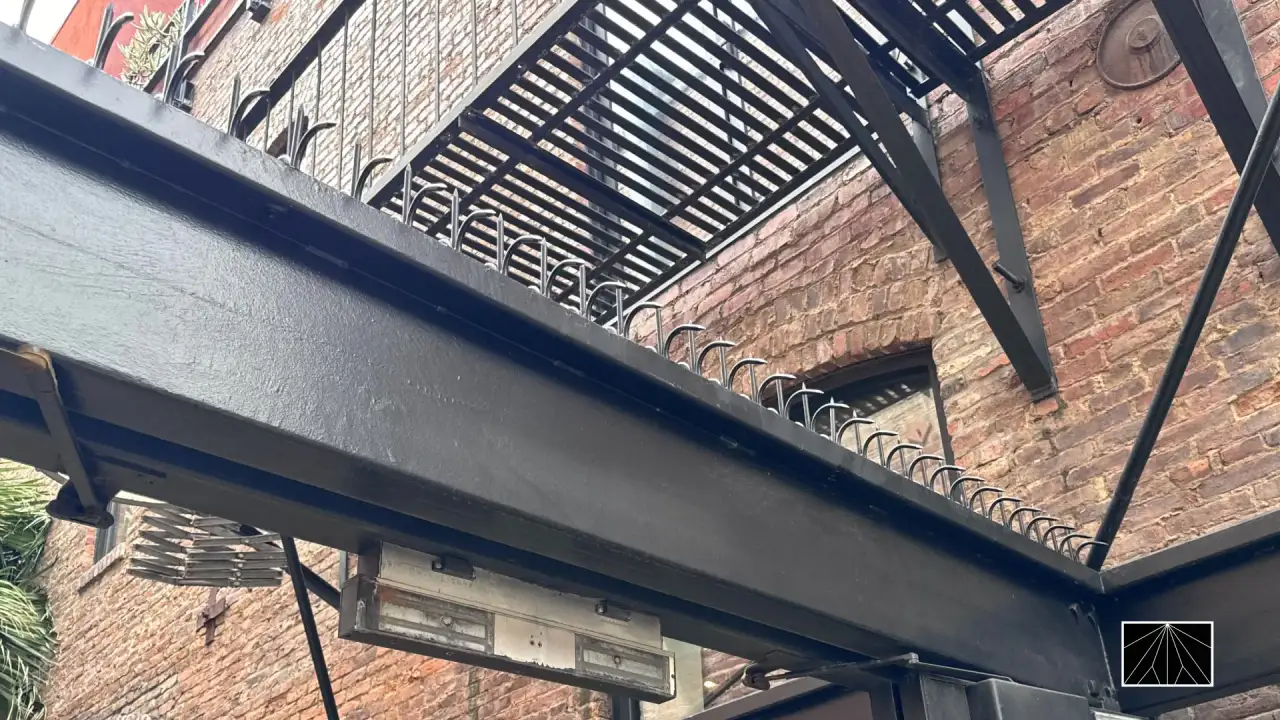
For general inquiries about our products or consultation regarding installation, please contact us.
Schedule a free online consultation with our team. Pick a time that works for you — available slots are shown in your local time zone.