Jul 22, 2026
Anti-Climb Fencing in Los Angeles: Installed Case Studies
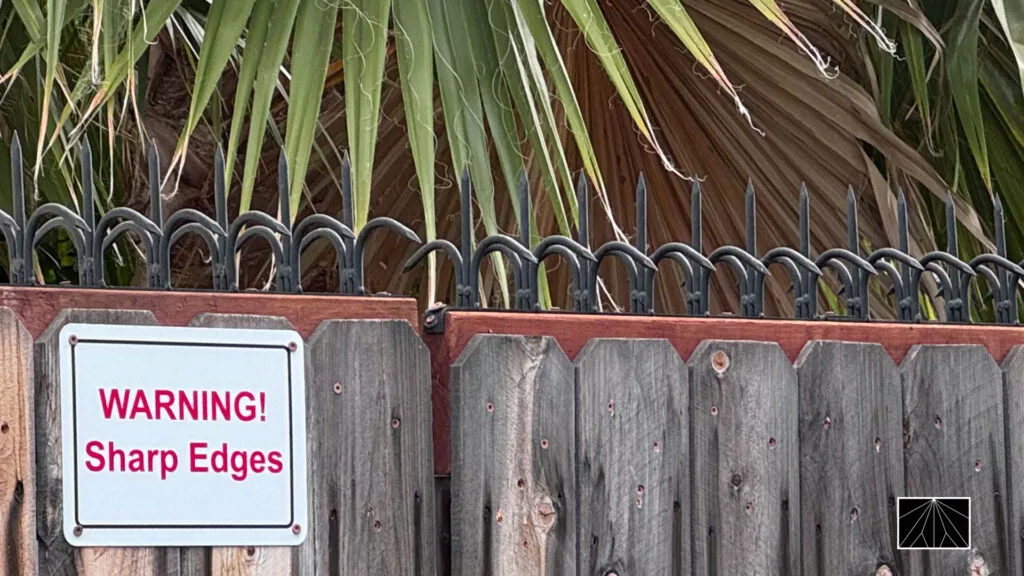
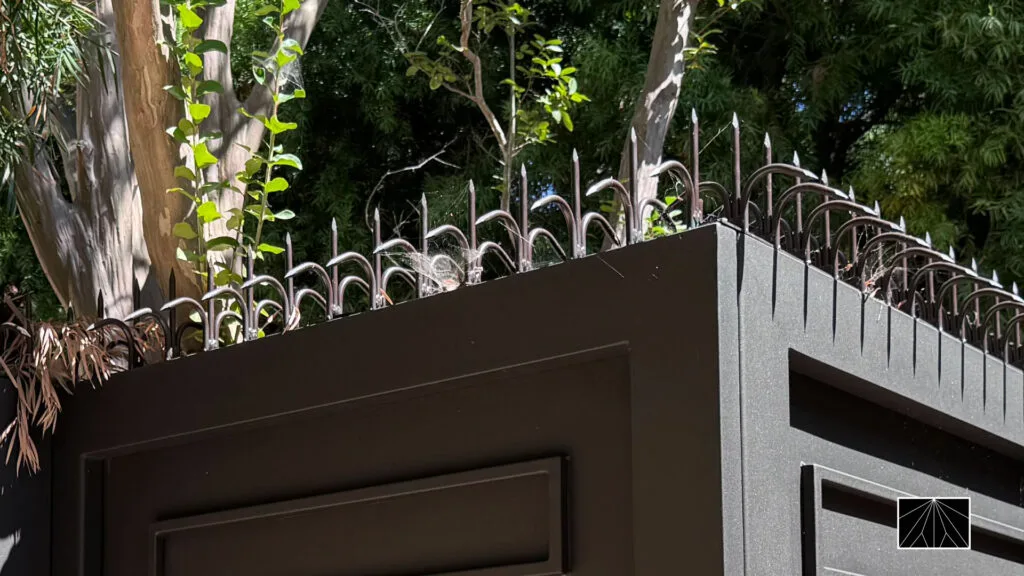
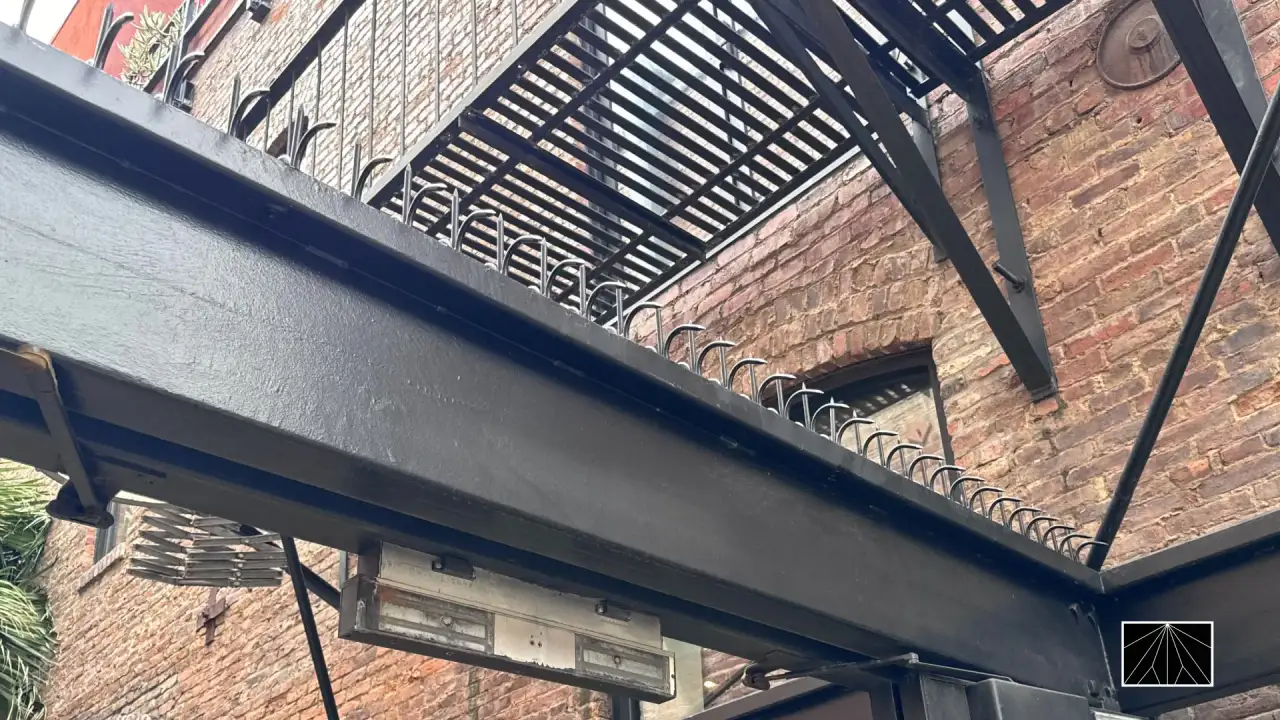
See anti-climb fencing installed across Los Angeles — Venice alleys, Laurel Canyon hillsides, Hollywood stucco coping, Santa Monica glass. Real LA jobs.
Column
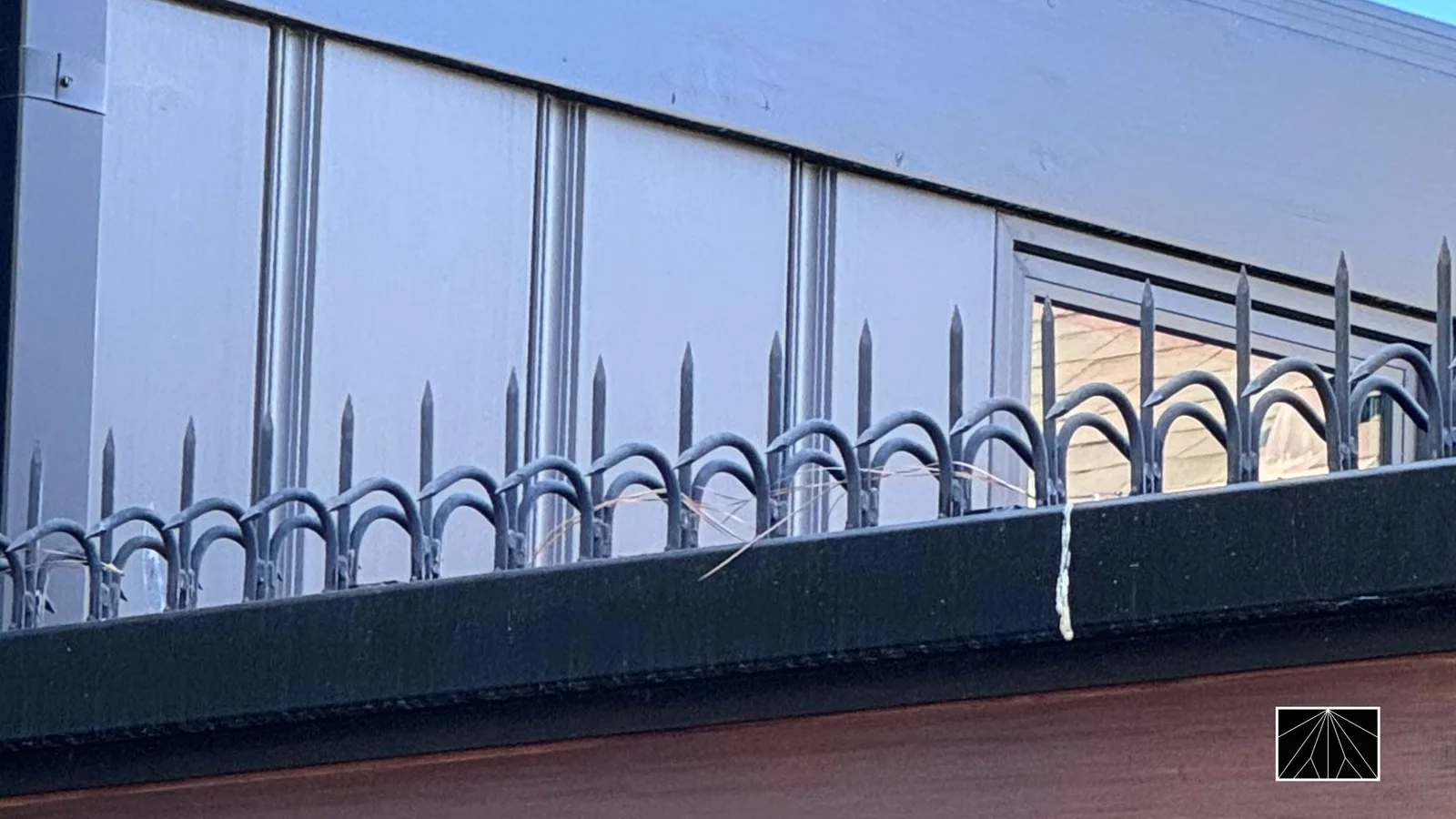
The cost of a perimeter deterrent is not just about what it costs to buy, its what it costs to maintain. Ninja Deterrent sections are made from SUS304 stainless steel or SS400 structural steel, factory-finished rather than painted on site, and fitted at the spot on the property that nobody wants to revisit with a ladder. Choosing the grade that suits the environment at the point of order placing is what keeps maintenance down to an occasional rinse.
Two metals cover most orders, with a third available and others quoted.
Standard finishes are powder-coated matte black, powder-coated ivory white, and electropolished silver. All three coatings are applied in factory, so there is no on-site painting to touch up.
Design flaw does not depend on impact, it is corrosion, and which metal is right depends on the weather.
Within about a kilometer of the sea, and anywhere de-icing salt is used on roads in winter, chloride is the governing factor and SUS304 is the grade to specify. Grade 304 stainless is standard practice for outdoor architectural metalwork for exactly this reason. In a dry inland setting, powder-coated SS400 performs well and the coating does its work, so the thing to protect is the coating itself.
Ultraviolet exposure is not a concern for either metals. It matters for the molded plastic spike strips sold as a budget alternative, which embrittle and snap after a few summers.
Very little, and the little there is takes only minutes.
The purchase price ranks the options in one order and the ten-year cost ranks them in another.
| Ninja Deterrent (metal sections) | Molded plastic spikes | Barbed / razor wire | |
|---|---|---|---|
| Material | SUS304, SS400, AL5052 | UV-stabilized polymer | Galvanized or stainless wire |
| Main failure mode | Loose fixings; coating chips on SS400 | Embrittlement and snapping under UV | Rust, sag, loss of tension |
| Routine maintenance | Rinse; annual visual check | Replace failed strips | Rust treatment and re-tensioning |
| Finish | Factory powder-coat or electropolish | Molded color, fades | None |
| Appearance over time | Holds its finish | Chalks and yellows | Degrades visibly |
| Sold by | The section, 530 mm or 1,000 mm | The strip | The roll, priced per linear foot |
Ninja Deterrent is sold by the section rather than by length of wall: Classic starts at $220 per section in SS400 steel, Modern and Gothic at $300 per section in SUS304. Classic in SUS304, and the Forest and Iris series, are quoted on request. Current prices are on the products page.
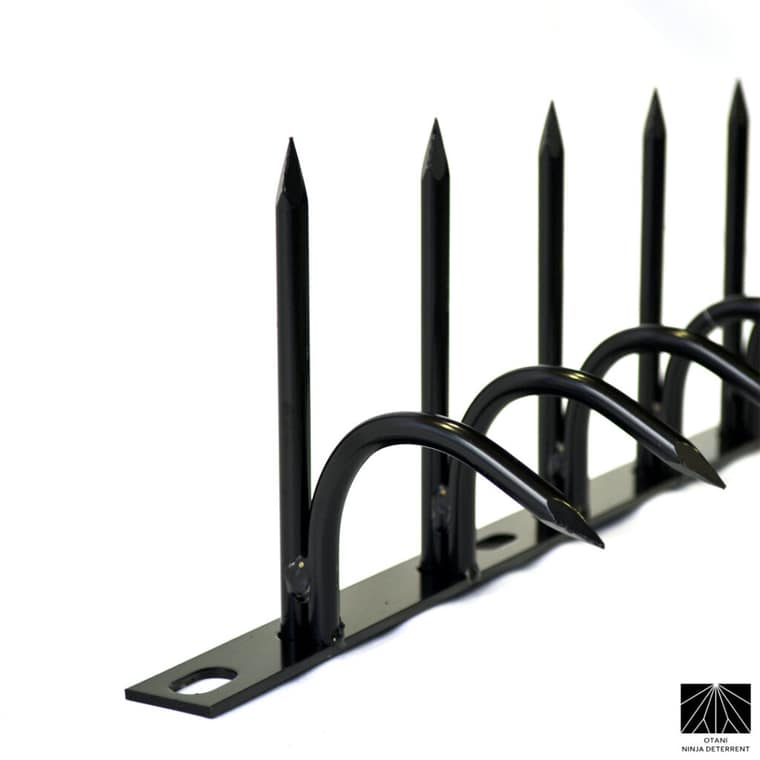
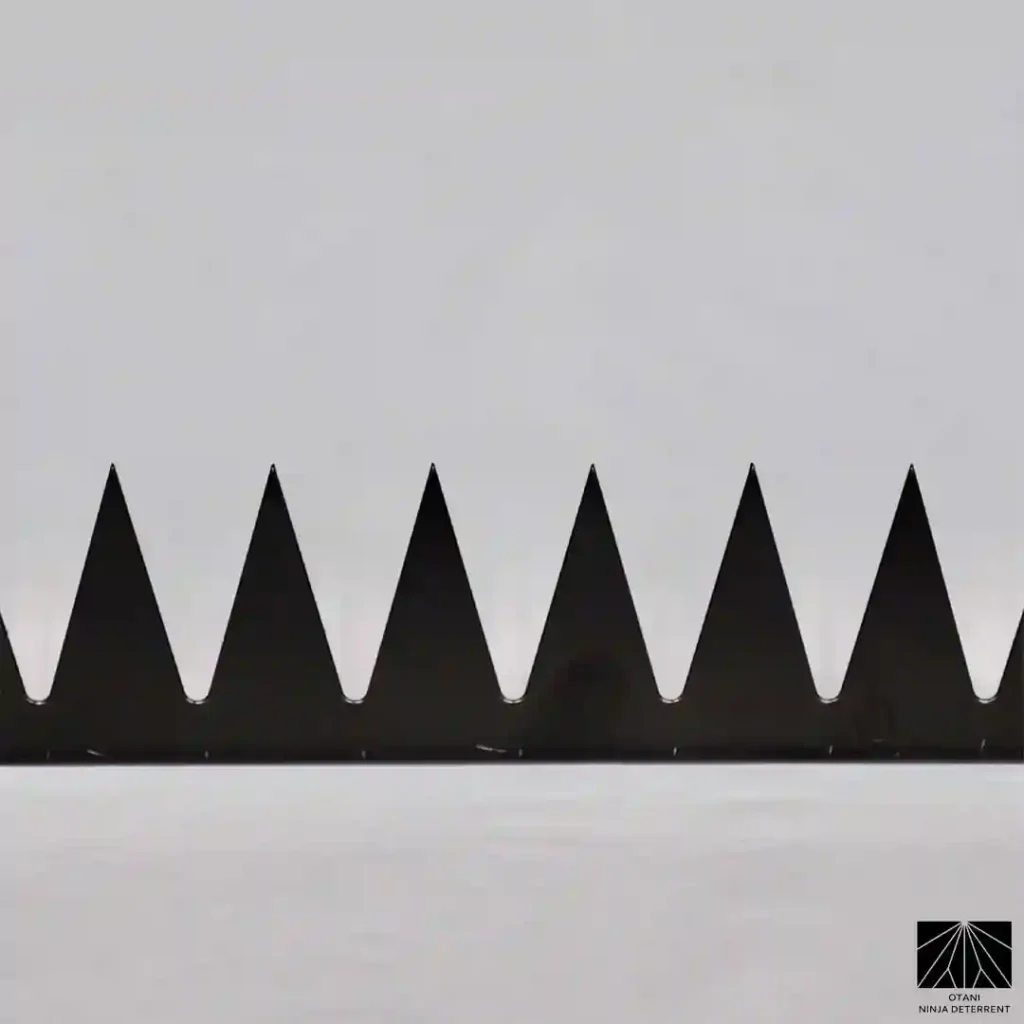
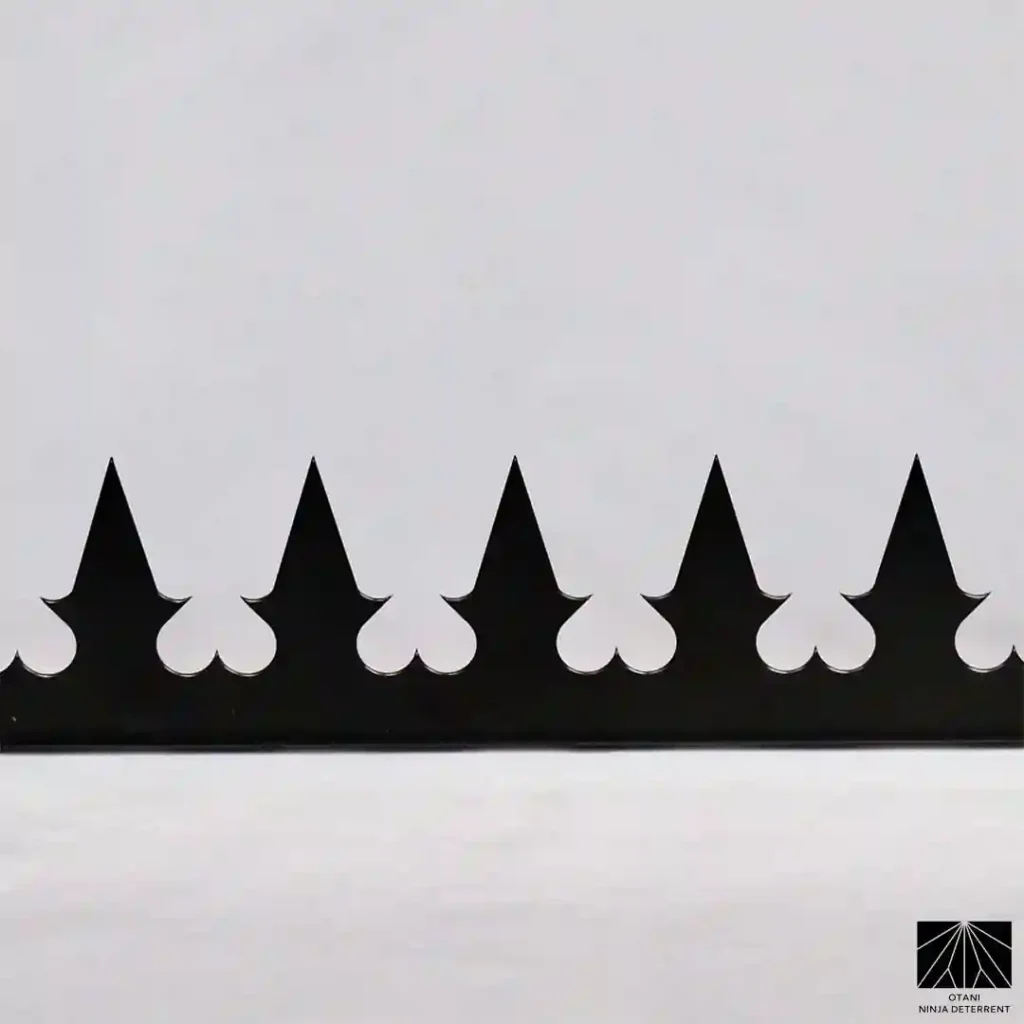
That is what they are designed for. The Classic series reproduces the shinobi-gaeshi form used on Japanese castles, temple and merchant-house walls; Modern is a low-profile sawtooth for contemporary elevations; Gothic is a pointed blade for metal fences and boundary walls; and the Forest and Iris series are ornamental profiles, a tree silhouette and an iris flower, for garden and landscape settings. Custom profiles, dimensions and materials are quoted for specific projects. All are made in Osaka, Japan.
Longer than the maintenance interval of most things around them. SUS304 is specified for outdoor architectural metalwork because it resists atmospheric corrosion without a protective coating, and powder-coated SS400 lasts as long as its coating is kept intact. Rather than quote a figure, the honest answer is that in normal use the fixings and the substrate are what need attention first.
Sections bolt through pre-drilled holes on top of a wall, fence or gate. The fixings follow the substrate: masonry anchors into brick and concrete, coach screws into timber, bolts through steel. The installation guide covers layout, spacing and substrate choices.
Yes. Custom orders covering profile, dimensions and material are quoted individually; brass and hot-dip galvanized steel are among the materials available that way. Send the drawings or the boundary dimensions through the wholesale and project page.
Three standard finishes: powder-coated matte black, powder-coated ivory white, and electropolished silver. The finish is applied in factory and specified with the order, which is why repainting on site is neither necessary nor recommended.
Surface staining can appear on stainless steel if iron particles from nearby grinding or cutting settle on it, and it cleans off. That is contamination on the surface rather than corrosion of the section itself, which is why it is worth keeping steel swarf away from stainless during installation.

Written by
Kojiro OtaniFounder of Saitani-Ya Co., Ltd. and creator of the Ninja Deterrent® brand. Drawing on Japan's tradition of shinobi-gaeshi, he designs and manufactures anti-climb security spikes that pair real deterrence with architectural beauty — writing from first-hand experience in their engineering, production, and real-world installation.
Jul 22, 2026
See anti-climb fencing installed across Los Angeles — Venice alleys, Laurel Canyon hillsides, Hollywood stucco coping, Santa Monica glass. Real LA jobs.
Jul 12, 2026
Explore anti-climb spikes for walls and fences. Compare types, materials, and aesthetics to find the best security solution, featuring premium options like Ninja Deterrent.
Jul 11, 2026
Discover how visible anti-climb deterrents, like Ninja Deterrent's architectural spikes, enhance home security beyond alarms. Learn their role in preventing burglaries.
Choose a series and a wall, then place it life-size in your own space with AR — before you order.

Choose a series and a wall, then place it life-size in your own space with AR — before you order.
Our standard series not quite right? We design and manufacture fully custom anti-climb systems tailored to your exact specifications — unique profiles, dimensions, materials, and finishes.
For general inquiries about our products or consultation regarding installation, please contact us.
Schedule a free online consultation with our team. Pick a time that works for you — available slots are shown in your local time zone.