Jul 22, 2026
Anti-Climb Fencing in Los Angeles: Installed Case Studies
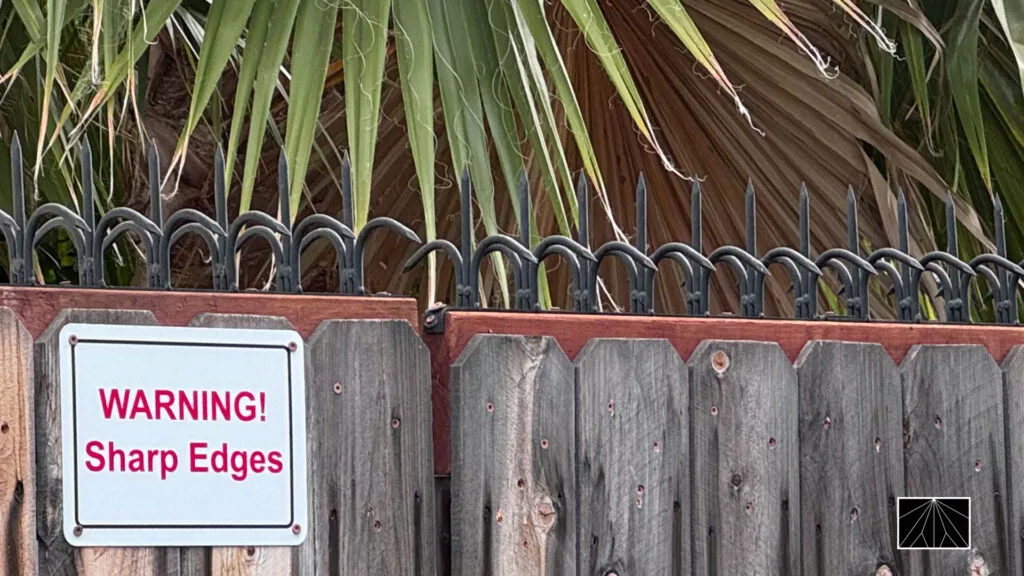
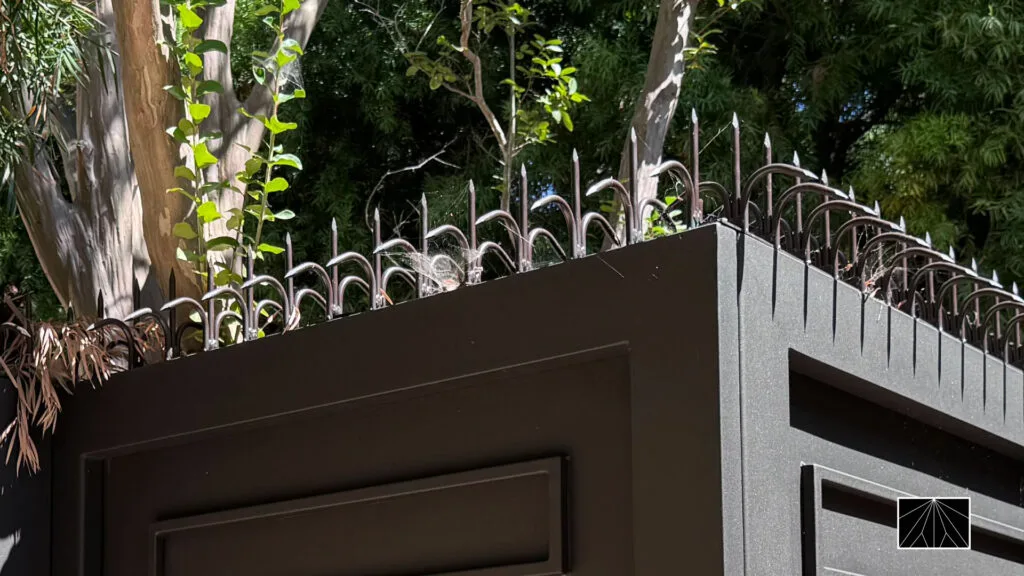
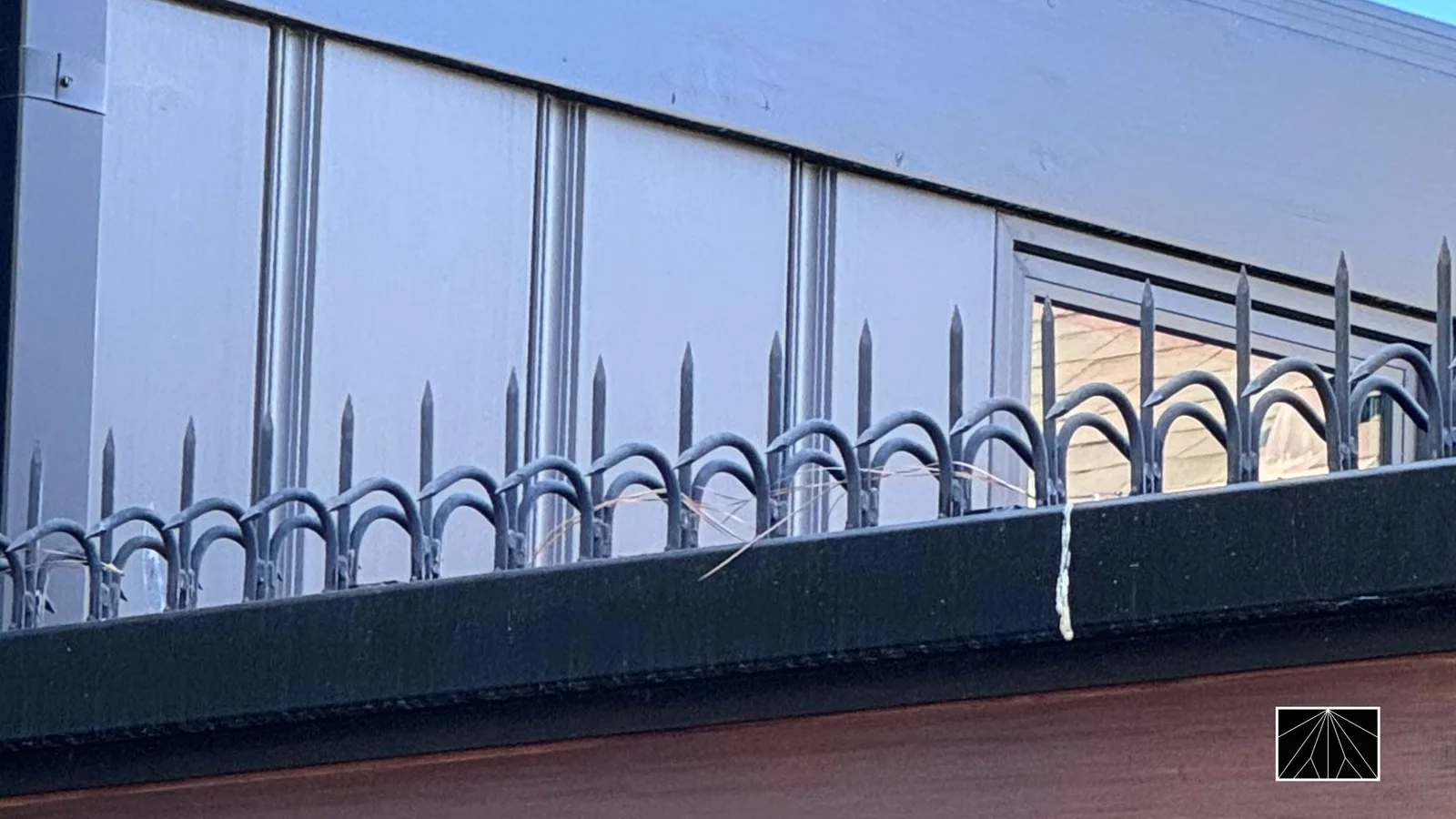
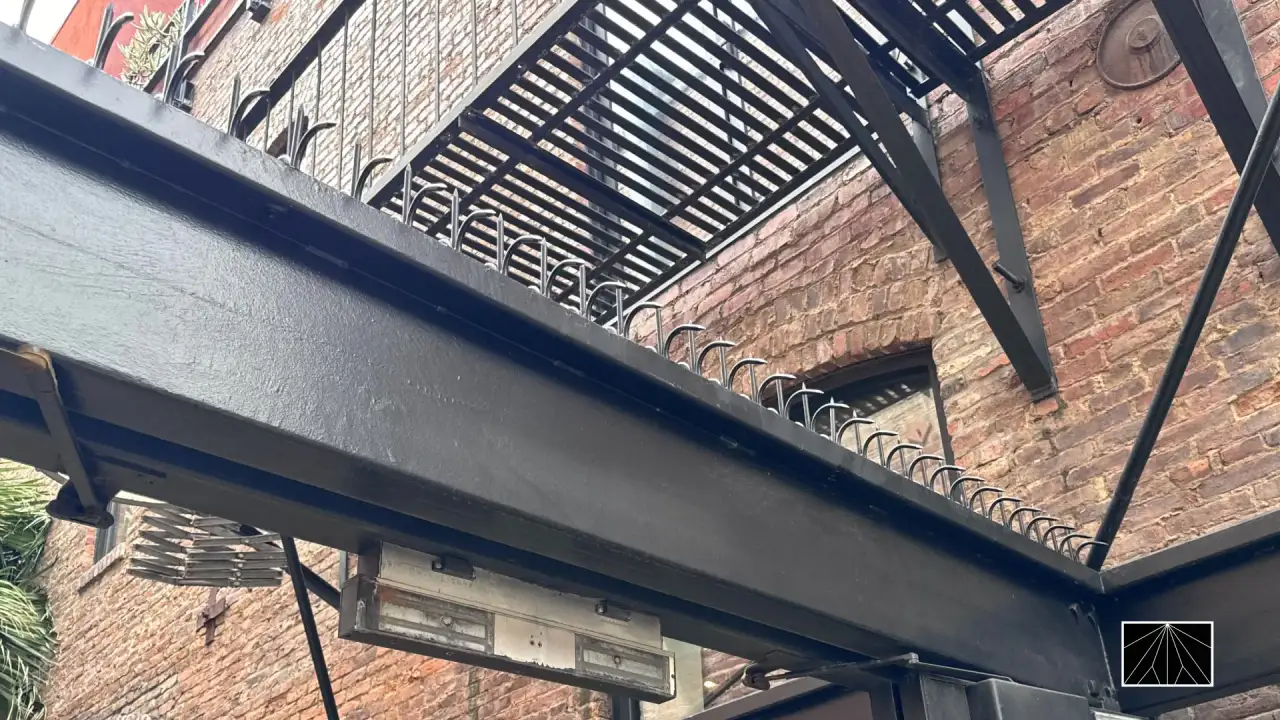
See anti-climb fencing installed across Los Angeles — Venice alleys, Laurel Canyon hillsides, Hollywood stucco coping, Santa Monica glass. Real LA jobs.
Column
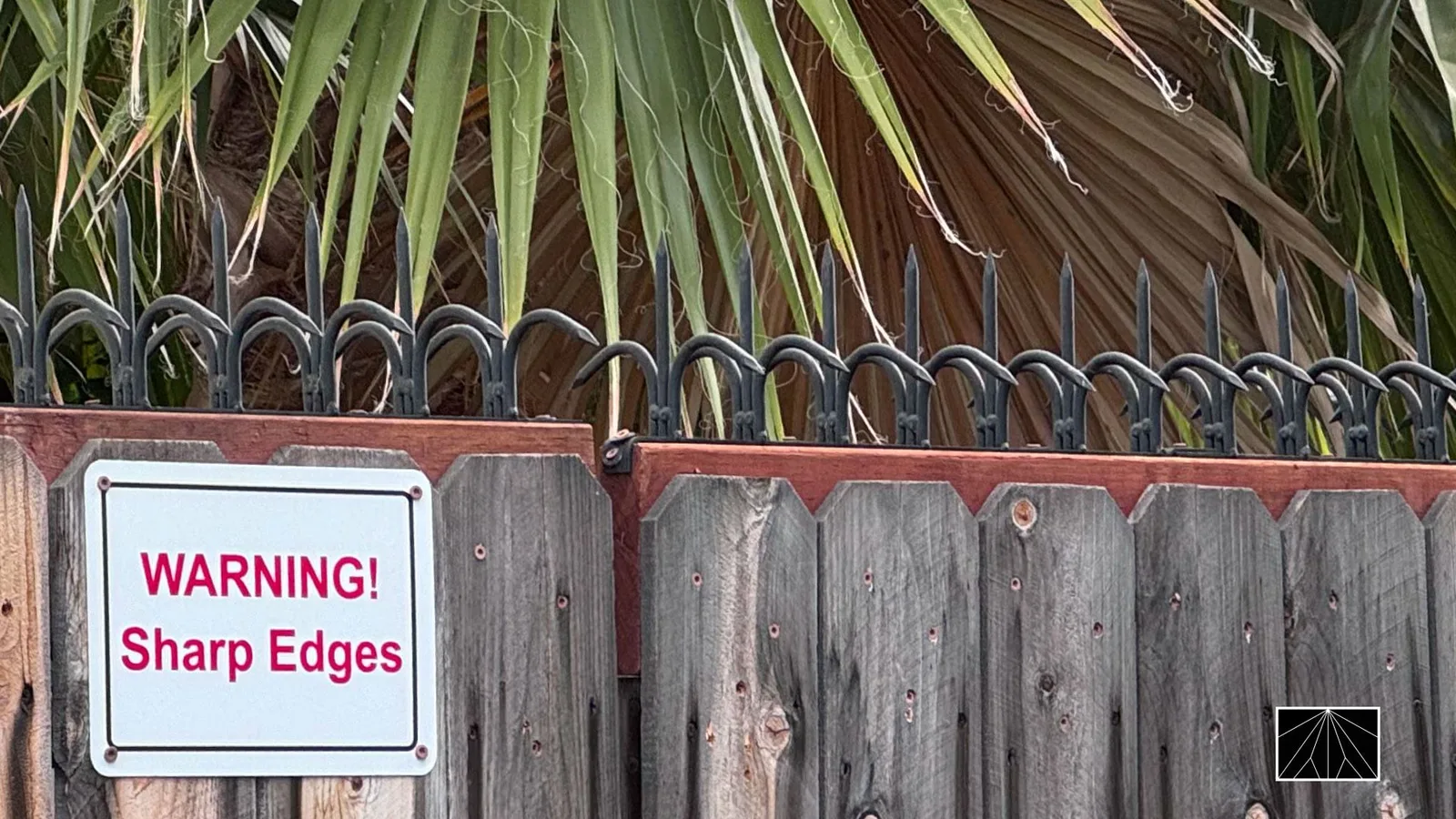
TL;DR: The best anti-climb spikes for most homes balance four things: material (SUS304 stainless for coastal/long life, SS400 steel for value), design (decorative/architectural over industrial, so they suit the property), placement (mounted 2 m+ high with an outward overhang), and legality (spikes and roller barriers over razor wire for residential frontages). For a wall or fence where appearance matters, decorative steel or stainless shinobi-gaeshi-style spikes are the strongest all-round choice.
There is no single "best" — the right spike depends on your material, look, height and budget. For residential and architectural properties, decorative anti-climb spikes in steel or stainless steel give the best balance of deterrence, durability, appearance and legal simplicity. Utilitarian plastic strips suit low-risk, budget jobs; razor and barbed wire deliver raw deterrence for industrial sites but are aggressive-looking and often restricted for homes. Match the spike to the setting rather than chasing a single "best" product.
| Type | Deterrence | Appearance | Durability | Best for |
|---|---|---|---|---|
| Decorative steel (SS400) | High | High (architectural) | High | Homes, general boundaries — best value |
| Decorative stainless (SUS304) | High | High (refined) | Very high | Coastal/wet climates, premium & long-life |
| Plastic spike strips | Low–Moderate | Moderate | Low–Moderate | Low-risk, budget, temporary |
| Razor / barbed wire | Very high | Very low (industrial) | Moderate (rusts) | Prisons, depots — usually not homes |
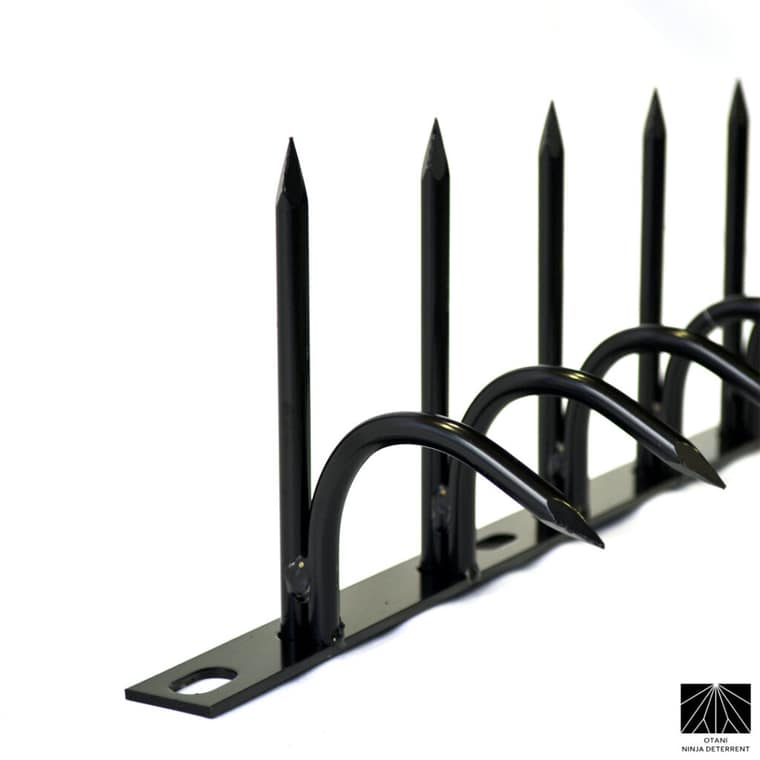
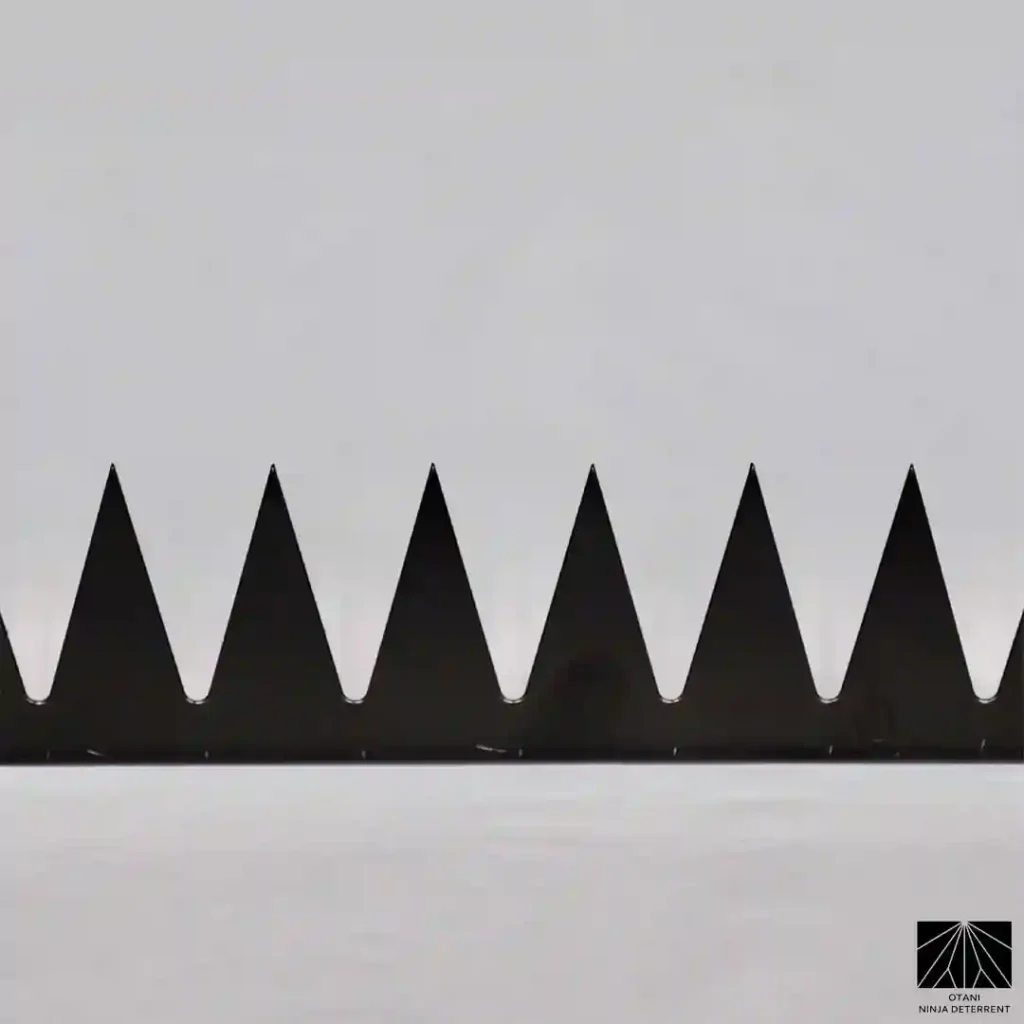
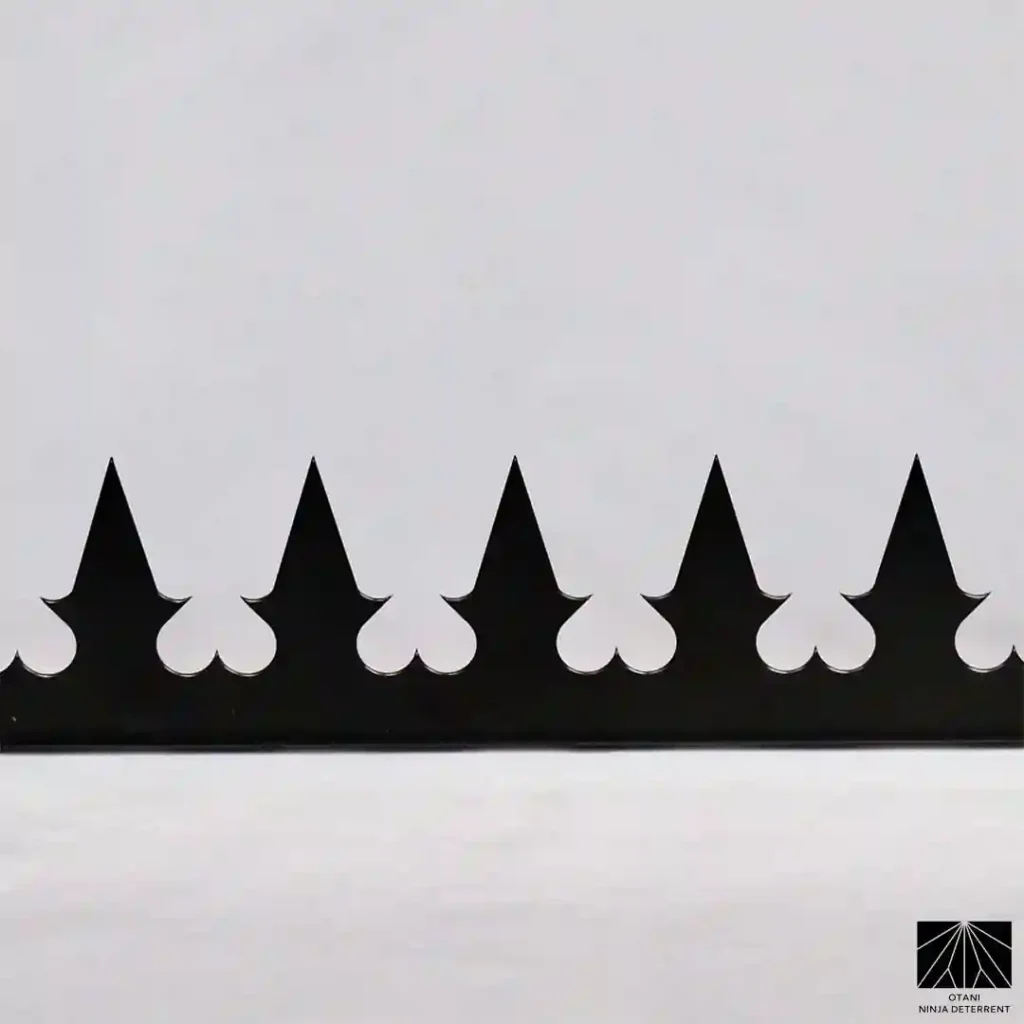
Decorative steel or stainless-steel spikes are the best choice for most homes: they deter climbers effectively, resist weather, and look like an intentional architectural detail rather than industrial security. Japanese shinobi-gaeshi-style designs are purpose-built for this balance. Compare options on the products page.
SUS304 stainless steel is better for corrosion resistance and appearance, making it ideal for coastal or wet environments and premium installations. SS400 structural steel is strong and more cost-effective, and performs well in most climates with a suitable finish. Choose stainless where longevity and looks are the priority, steel where value matters most.
For a home, yes. Anti-climb spikes deter effectively while remaining attractive and generally legal on private property (mounted high, with signage). Razor wire is visually aggressive, prone to injury and liability, and restricted or banned for residential use in many areas. See our full spikes vs razor wire vs electric fence comparison.
Cost varies by material, design and length. Plastic strips are cheapest, decorative steel offers strong mid-range value, and stainless steel sits at the premium end for its longevity. For a lasting, good-looking, low-liability result, decorative steel or stainless usually gives the best long-term value.
Measure the total length of wall, fence or gate you want to protect, then plan for continuous coverage with strips set at 12–18 inch (30–45 cm) intervals. Prioritise weak points — gate tops and low sections — first, then extend along the full run for consistent deterrence.

Written by
Kojiro OtaniFounder of Saitani-Ya Co., Ltd. and creator of the Ninja Deterrent® brand. Drawing on Japan's tradition of shinobi-gaeshi, he designs and manufactures anti-climb security spikes that pair real deterrence with architectural beauty — writing from first-hand experience in their engineering, production, and real-world installation.
Jul 22, 2026
See anti-climb fencing installed across Los Angeles — Venice alleys, Laurel Canyon hillsides, Hollywood stucco coping, Santa Monica glass. Real LA jobs.
Jul 12, 2026
Explore anti-climb spikes for walls and fences. Compare types, materials, and aesthetics to find the best security solution, featuring premium options like Ninja Deterrent.
Jul 11, 2026
Discover how visible anti-climb deterrents, like Ninja Deterrent's architectural spikes, enhance home security beyond alarms. Learn their role in preventing burglaries.
Choose a series and a wall, then place it life-size in your own space with AR — before you order.

Choose a series and a wall, then place it life-size in your own space with AR — before you order.
Our standard series not quite right? We design and manufacture fully custom anti-climb systems tailored to your exact specifications — unique profiles, dimensions, materials, and finishes.
For general inquiries about our products or consultation regarding installation, please contact us.
Schedule a free online consultation with our team. Pick a time that works for you — available slots are shown in your local time zone.