Jul 22, 2026
Anti-Climb Fencing in Los Angeles: Installed Case Studies
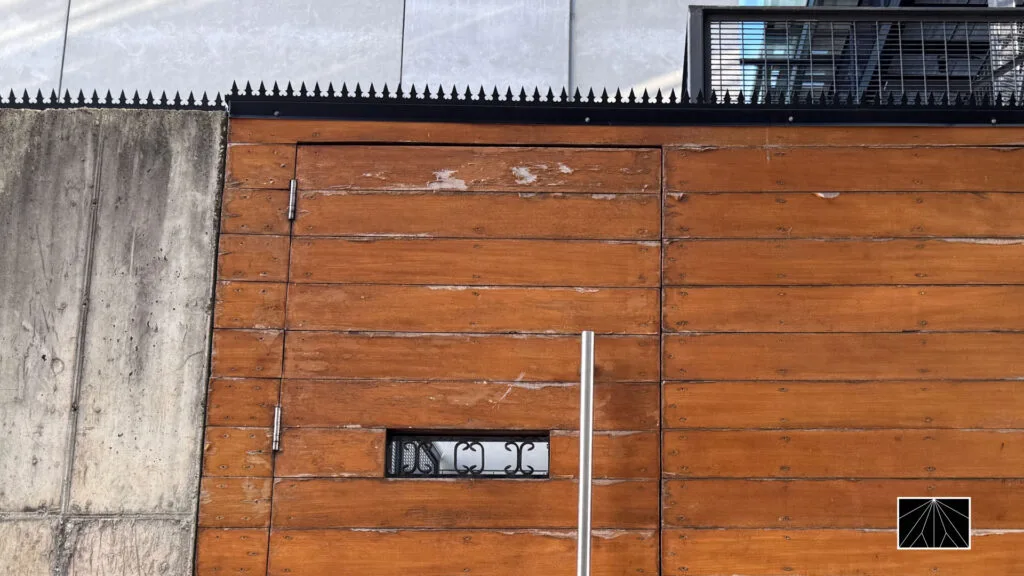
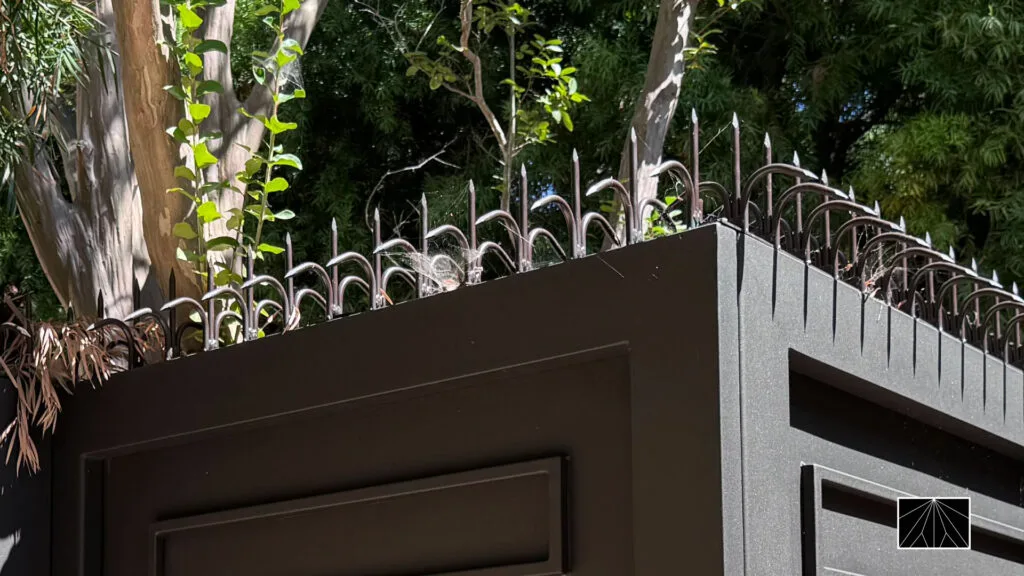
See anti-climb fencing installed across Los Angeles — Venice alleys, Laurel Canyon hillsides, Hollywood stucco coping, Santa Monica glass. Real LA jobs.
Column
TL;DR
- Smart cameras, sensors, locks and alarms are brilliant at detecting and recording an intruder — but they don't physically stop a determined climber.
- The evidence backs electronics: around 60% of burglars pick another target when an alarm is present, and cameras carry similar deterrent weight (UNC Charlotte, Kuhns et al. 2012).
- Most burglars are opportunists looking for an easy gap, and most break-ins take under a minute to enter (FBI) — so the boundary is where intrusions are won or lost.
- The missing piece is a physical perimeter: a decorative spiked wall-top turns detection into prevention. Smart inside, hard at the boundary.
The "modern ninja" no longer wears black and scales a moonlit wall. They wear work clothes, study your routine, and exploit the smallest gap. Fortunately, home defence has evolved just as fast — but only if you understand what each layer can and cannot do. This guide maps the smart-home era against the one job technology still cannot perform: physically keeping someone out.
Smart home security is excellent at detecting, deterring and recording intruders, and the data shows it genuinely works — but it does not physically stop a determined person from climbing a wall or fence. Cameras, sensors and alarms change a burglar's decision to enter; only a physical barrier changes their ability to enter. You need both.
This distinction matters because most intruders never test the lock. Research from the University of North Carolina at Charlotte (Kuhns et al., 2012), based on interviews with over 400 incarcerated burglars, found that more than 75% of break-ins are opportunistic rather than carefully planned. Burglars hunt for the path of least resistance. Smart technology raises the perceived risk of being caught, while a hard perimeter raises the actual difficulty of getting in. Remove either layer and you leave a gap the modern ninja is trained to find. For the underlying logic of physical deterrence, see our piece on whether anti-climb spikes really work.
Surprisingly well — electronic deterrence is one of the most validated findings in burglary research. According to UNC Charlotte (Kuhns et al., 2012), about 83% of burglars check for an alarm before attempting entry, and roughly 60% will choose a different target if they discover one. Alarms and cameras genuinely move criminals along.
The same study weighed which measures burglars say influence them most: alarms scored around 53%, visible cameras around 50%, and warning signs alone only about 25%. The lesson is clear — real hardware deters, but a sign promising protection that isn't there does very little. This is why smart cameras and intercoms are such a strong first investment. The moment a person enters view, you receive a real-time alert and can speak through the device, convincing a scout that someone is home. Think of it as a digital kunai thrown from anywhere in the world: the message "you are being watched and recorded" is a powerful deterrent. But notice the verb in every one of these statistics — burglars are deciding. A determined or desperate intruder who has already accepted the risk of being filmed is not stopped by a lens.
Smart locks and sensors close the most common gap in home security: human error. The single most reliable burglary method is still the unlocked door. Auto-locking smart locks eliminate forgotten locks permanently, log every entry, and let you secure the door remotely with one tap. Door and window sensors then flag any breach instantly.
Yet a lock only governs the door. It does nothing about the intruder who ignores the entrance entirely and goes over the boundary wall, across a flat roof, or through a first-floor window. The FBI notes that intruders typically gain entry in under a minute and remain inside for only 8–12 minutes — fast enough that an alert which merely informs you often arrives after they are already inside. Detection without a physical obstacle simply documents the crime in progress. That is the precise gap a hardened perimeter is built to fill, a theme we explore further in our guide to wall and fence security spikes.
Every smart layer is strong at one task and blind in another. The table below maps the modern home-security stack so you can see, at a glance, why detection-focused tools need a physical partner at the boundary. Read down the "blind spot" column and a pattern emerges: almost everything records or warns, and only the perimeter physically prevents.
| Security layer | What it does well | Its blind spot |
|---|---|---|
| Smart cameras | Records evidence; deters ~50% of burglars who see them | Films, but cannot physically stop entry |
| Motion sensors | Detects movement and triggers instant alerts | Notifies after entry has begun, not before |
| Smart locks | Removes human error; secures the door automatically | Protects the door only, not walls or fences |
| Alarms / sirens | ~60% choose another target when one is present | Sound alone won't deter the desperate or determined |
| Physical perimeter (spikes) | Physically blocks the climb at the boundary line | No alerts or recording — pair it with smart tech |
The takeaway is not that one layer beats another. It is that cameras, sensors, locks and alarms cluster on the left of the chart — detection and decision — while the perimeter sits alone on the right: prevention. A complete home needs both halves.
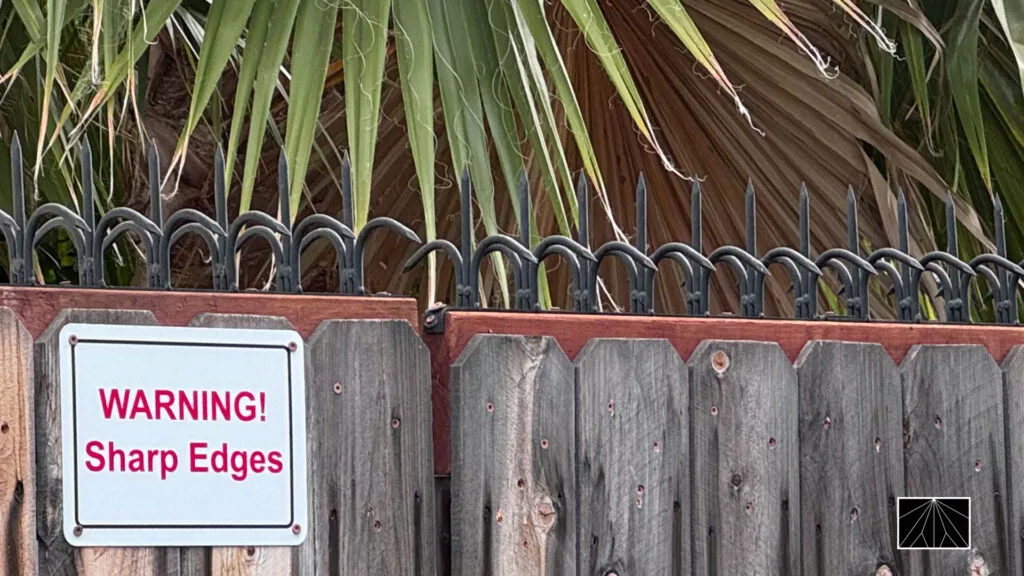
The perimeter is the one line every intruder must physically cross, yet it is the layer homeowners most often leave undefended. Smart devices guard doors, windows and interiors, but the wall or fence — the true edge of your property — frequently has nothing on top of it. A decorative anti-climb spike closes that gap with a clear, visible "no entry" message.
This is where ancient and modern security meet. Shinobi gaeshi — the spiked deterrents that protected Japanese castles and samurai residences for centuries — solved exactly this problem: stopping the climber at the wall. The principle has not aged. When a burglar surveying your home sees a smart camera and a spiked boundary, the calculation shifts decisively. The camera says "you'll be seen"; the spikes say "you can't get over". Together they convert a soft, opportunistic target into one that simply isn't worth the effort. Crucially, a well-designed spike does this without turning a home into a fortress, a balance we examine in our beautiful security design philosophy.
You combine the two halves of the stack: electronic layers that decide the intruder away, and a physical perimeter that stops the one who comes anyway. Keep your home "smart inside, hard at the boundary." Let cameras and alarms manage the 60% who can be deterred, and let a spiked perimeter handle the determined minority who can't.
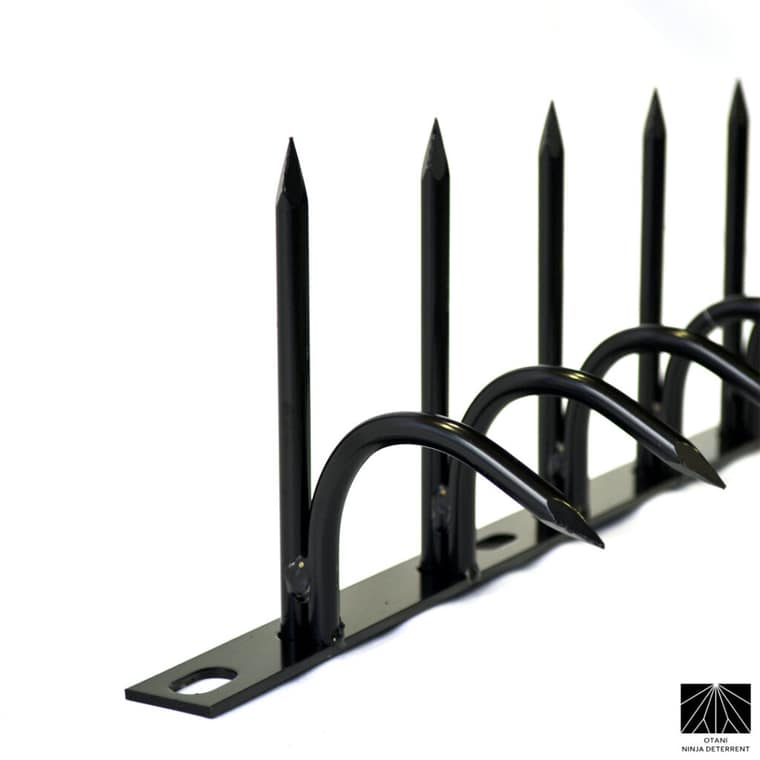
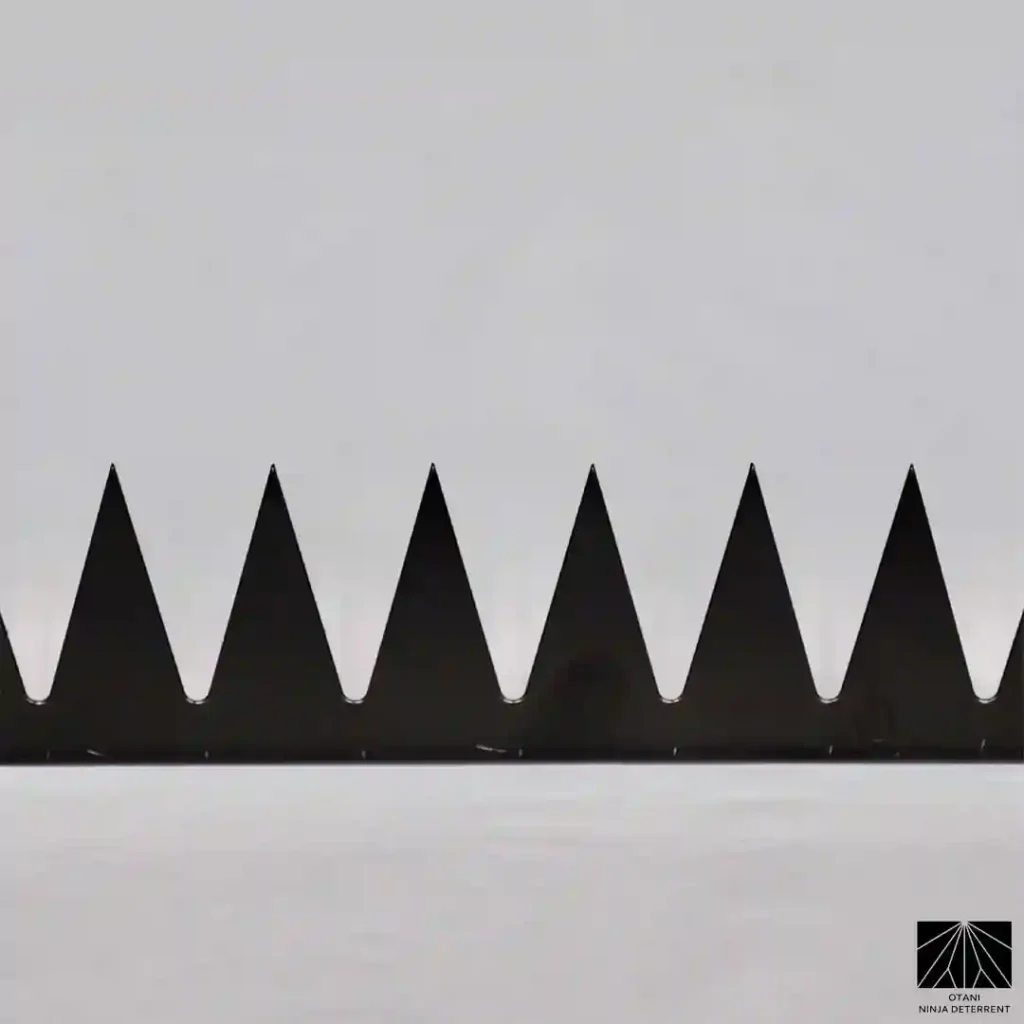
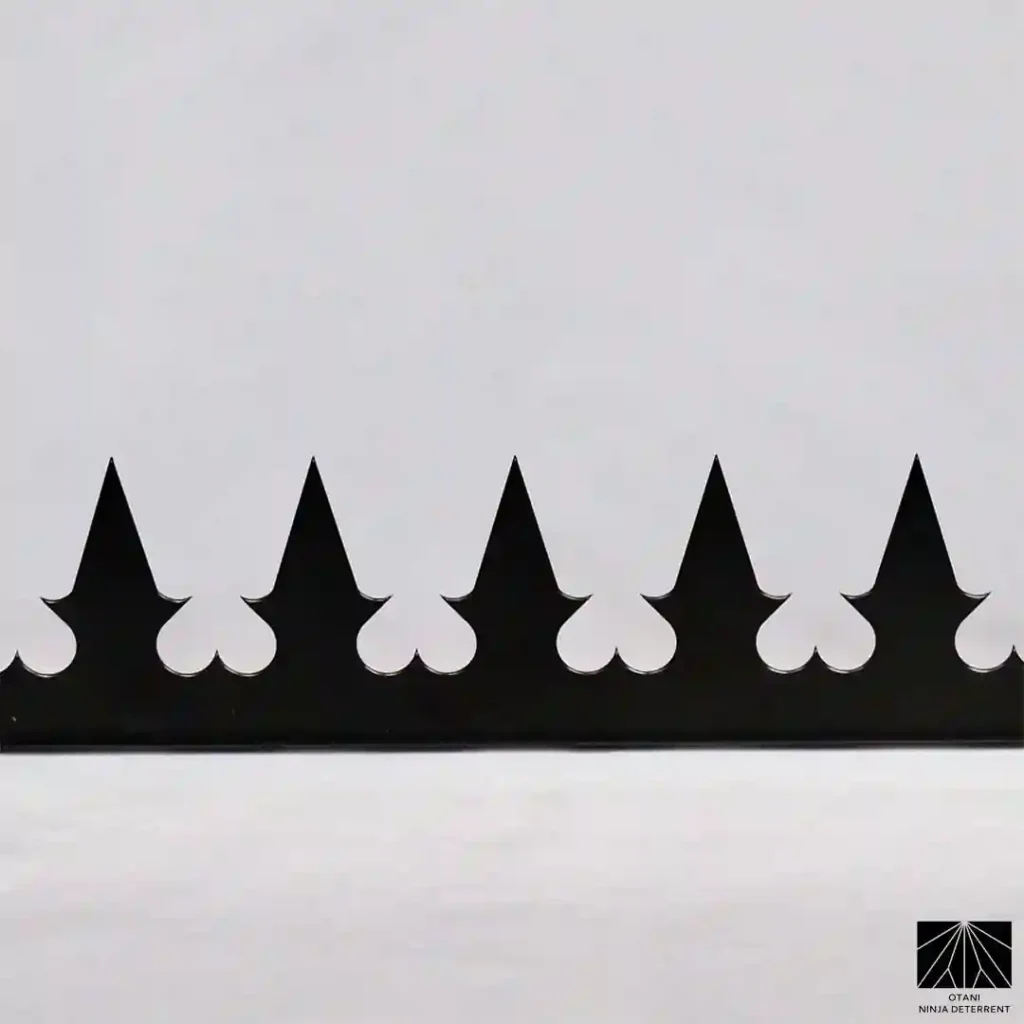
In practice, the boundary layer should also look like part of your home, not bolted-on hardware — because deterrence that signals intent and thoroughness outperforms deterrence that signals only fear. The Otani Ninja Deterrent range is built for exactly this: five design series that read as architectural detail from the street while delivering decisive physical resistance up close. The understated Classic and clean Modern lines suit contemporary homes; the ornate Gothic series complements traditional and statement properties; the organic Forest and elegant Iris designs blend into greenery and garden walls. For an unusual wall profile or a bespoke finish, our custom order service tailors the solution to your boundary.
They deter many, but not all. Research from UNC Charlotte found around 60% of burglars choose a different target when an alarm is present, and visible cameras carry similar weight. However, these tools influence a burglar's decision rather than their physical ability to enter. A determined intruder who accepts the risk of being recorded can still climb a wall, which is why a physical perimeter is the necessary complement.
Yes, arguably more than ever. Smart devices detect and record, but they cannot physically prevent someone from climbing a fence or wall. Spikes occupy the one role technology cannot fill: stopping the climb at the boundary. Used together, smart tech handles detection and deterrence while the spiked perimeter delivers prevention, closing the gap that cameras alone leave open.
According to the FBI, intruders usually gain entry in under a minute and stay inside for roughly 8 to 12 minutes. That speed matters because an alert which only informs you often arrives after entry has already happened. A physical barrier works differently — it slows or blocks the intruder at the boundary itself, before they ever reach the door or window, buying genuine time rather than just a notification.
No. The UNC Charlotte study found warning signs alone influenced only about 25% of burglars, compared with roughly 53% for alarms and 50% for visible cameras. Signs that promise protection which isn't actually installed offer little real deterrence. Burglars often test claims, so genuine hardware — real alarms, real cameras and a real physical perimeter — is far more reliable than signage by itself.
Start with the lowest and easiest climbing points on your boundary: garden walls, fence tops, and any flat surface near a first-floor window or roof. These are the routes opportunistic burglars favour because they offer cover and speed. Adding a decorative spike along these lines removes the path of least resistance and pushes an intruder to look elsewhere entirely.
Not if they are well designed. Modern decorative spikes are made to read as architectural detail from a distance while remaining decisively effective up close. Otani Ninja Deterrent offers several design series so the deterrent harmonises with your home's style rather than clashing with it. Effective security signals intentionality and care, not aggression, and a thoughtfully chosen spike achieves exactly that.
Smart technology and a hardened boundary are not rivals — they are two halves of the same defence. Detection decides intruders away; a physical perimeter stops the ones who come anyway. Explore the Otani Ninja Deterrent Classic, Modern, Gothic, Forest and Iris series, or arrange a custom order, and make your home smart inside and hard at the boundary.

Written by
Kojiro OtaniFounder of Saitani-Ya Co., Ltd. and creator of the Ninja Deterrent® brand. Drawing on Japan's tradition of shinobi-gaeshi, he designs and manufactures anti-climb security spikes that pair real deterrence with architectural beauty — writing from first-hand experience in their engineering, production, and real-world installation.
Jul 22, 2026
See anti-climb fencing installed across Los Angeles — Venice alleys, Laurel Canyon hillsides, Hollywood stucco coping, Santa Monica glass. Real LA jobs.
Jul 12, 2026
Explore anti-climb spikes for walls and fences. Compare types, materials, and aesthetics to find the best security solution, featuring premium options like Ninja Deterrent.
Jul 11, 2026
Discover how visible anti-climb deterrents, like Ninja Deterrent's architectural spikes, enhance home security beyond alarms. Learn their role in preventing burglaries.
Choose a series and a wall, then place it life-size in your own space with AR — before you order.

Choose a series and a wall, then place it life-size in your own space with AR — before you order.
Our standard series not quite right? We design and manufacture fully custom anti-climb systems tailored to your exact specifications — unique profiles, dimensions, materials, and finishes.
For general inquiries about our products or consultation regarding installation, please contact us.
Schedule a free online consultation with our team. Pick a time that works for you — available slots are shown in your local time zone.