Jul 22, 2026
Anti-Climb Fencing in Los Angeles: Installed Case Studies
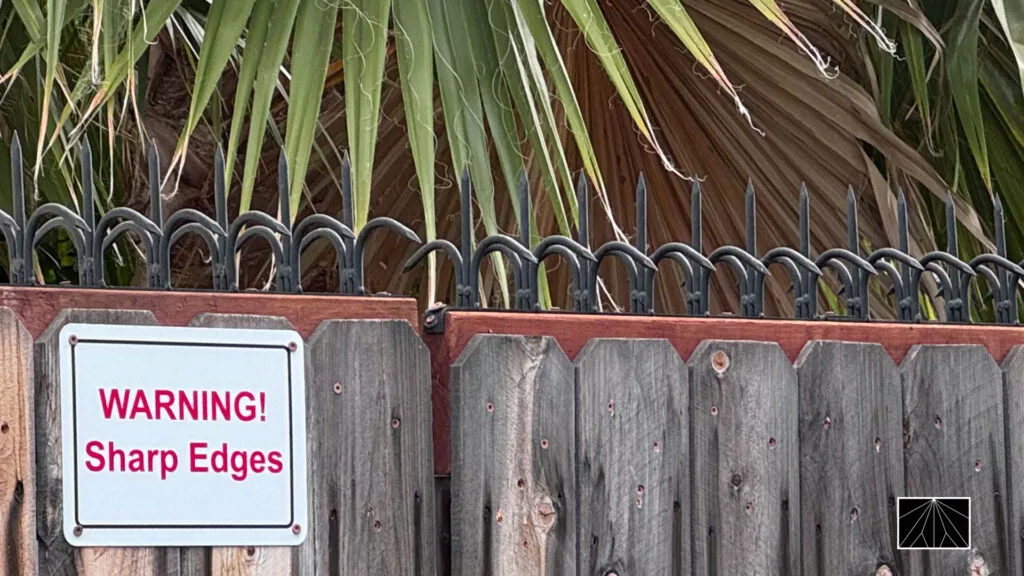
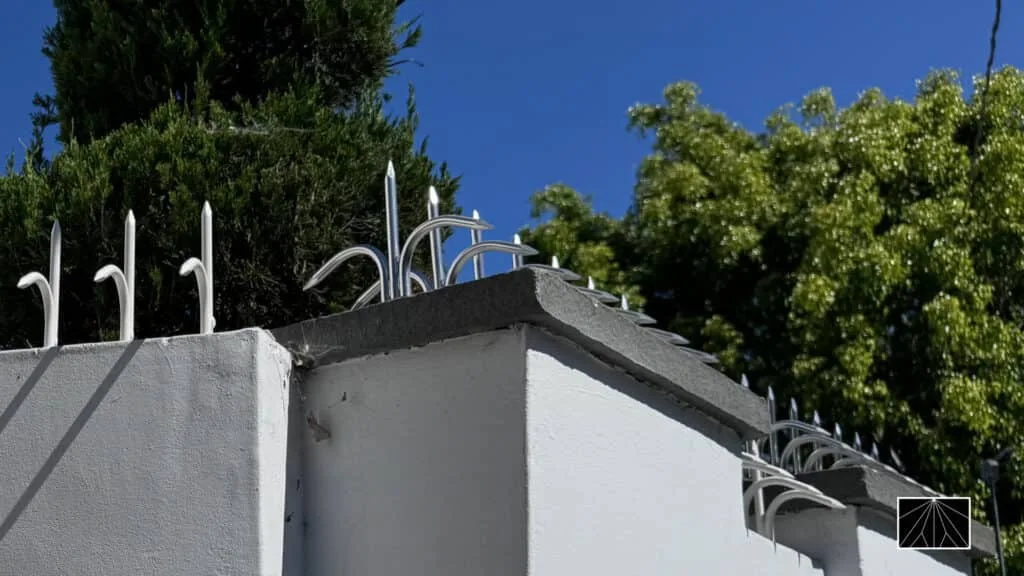
See anti-climb fencing installed across Los Angeles — Venice alleys, Laurel Canyon hillsides, Hollywood stucco coping, Santa Monica glass. Real LA jobs.
Column
TL;DR
- Most burglars are opportunists: in a study of 422 offenders, more than 75% described their break-ins as opportunistic, not planned.
- A burglar gives up when a house looks like more time, effort and risk than the one next door.
- Offenders respect deterrents they judge to be real and physical — alarms (~53%) and cameras (~50%) far outweigh signs alone (~25%).
- A physical barrier such as shinobi gaeshi raises injury risk, time cost and exposure all at once, nudging the offender to displace to an easier target.
Some of the most useful home-security insights come not from manufacturers but from offenders themselves. Survey and interview studies with convicted burglars — most notably a University of North Carolina at Charlotte study of 422 incarcerated burglars (Kuhns et al., 2012) — reveal remarkably consistent patterns about which homes burglars avoid and the exact conditions that make them give up and move on.
A burglar abandons a target the moment the perceived time, effort and risk of getting in rise above the expected reward. In the UNC Charlotte study, more than 75% of offenders described their break-ins as opportunistic rather than premeditated, and around 60% said they would choose a different target if an alarm was present.
Two findings explain almost everything else. First, burglars actively screen for trouble before committing: 83% try to work out whether a home has an alarm before attempting entry, which tells you they are constantly looking for a reason not to proceed. Second, the whole event is fast — entry itself usually takes under a minute, and burglars typically spend only 8–12 minutes inside (FBI). Anything that slows the approach and keeps the offender exposed at the boundary works directly against the economics of the crime.
Sources: Kuhns et al., University of North Carolina at Charlotte, Understanding Decisions to Burglarize from the Offender's Perspective (2012); Security.org burglary research.
In short, you do not have to make a home impenetrable. You have to make it look like more time, effort and risk than the house next door — a point explored further in our note on what makes an easy-target home.
Burglars respond to deterrents they judge to be genuine and physical, and discount anything that looks like a bluff. When research asked which measures most influence target selection, alarm systems were weighed by roughly 53% of offenders and security cameras by roughly 50%, while signs or stickers alone — with no real system behind them — carried weight for only about 25%.
The pattern is unambiguous: a warning that can be ignored, covered or out-waited counts for little, whereas a deterrent the offender believes is real reshapes the decision. This is precisely where a physical barrier such as shinobi gaeshi differs from a sticker — it cannot be switched off, talked past or bluffed. As one offender put it in interview research:
"A camera isn't scary if you cover your face. But a spiked wall hurts the moment you touch it — you can't bluff your way past pain."
| Deterrent | Weighed by ~ | How the burglar tends to react |
|---|---|---|
| Alarm system | ~53% | Screens for it first; ~60% will pick another target if one is present |
| Security camera | ~50% | Respected, but can be partly defeated by covering the face |
| Sign / sticker only | ~25% | Often read as a bluff with no real system behind it |
| Physical barrier (shinobi gaeshi) | No single reliable figure | Cannot be bluffed; raises injury risk, time and exposure at the boundary |
(There is no single reliable statistic for how often anti-climb spikes specifically turn a burglar away. The case for them rests on the documented findings above — offenders consistently avoid effort, exposure and physical risk — and is examined in more depth in do anti-climb spikes actually work?)
A physical barrier works on the offender in three ways at once: an instinctive fear response, a shift in risk assessment, and — most importantly — target displacement. Criminal-psychology research groups the effect of a barrier into these three categories, and shinobi gaeshi are designed to trigger all three at the perimeter, before the burglar has committed to anything.
Immediate fear is the instinctive recoil triggered the moment sharp protrusions come into view. Humans have an innate avoidance response to sharp objects that is hard to override with rational thought, and this is where shinobi gaeshi concentrate their effect.
A risk-assessment shift follows. A wall topped with shinobi gaeshi signals that entry "will take longer", "carries a risk of injury" and "could leave blood, torn clothing or DNA behind" — every risk factor rises simultaneously.
Target displacement is the outcome that protects you. The moment a burglar judges "this one is too much trouble", they shift to an easier home nearby. Criminologists call this crime displacement; from the perspective of protecting your own property, it is exactly the result you want.
Yes — the value of shinobi gaeshi is best understood in terms of time and exposure rather than absolute impenetrability. A bare 1.8 m (≈6 ft) wall can be cleared in seconds: grip, pull up, straddle the top, drop down. Adding spikes forces the climber to meet a sharp obstacle at the worst possible moment.
That moment is at full stretch, hands occupied, body silhouetted on top of the wall. Now the offender must improvise a way to cover the spikes or give up and look for another route — turning a few-second climb into minutes of fumbling in full view of the street. Given that most burglaries are over in 8–12 minutes from entry to exit, adding minutes of exposed, uncertain effort just to get over the perimeter is often enough to tip the decision toward "not worth it". This is why wall and fence lines are such a high-value place to invest, as we cover in wall and fence security spikes.
Stopping the climb matters because the perimeter is often the route to an unguarded entry point, not just the boundary itself. According to Japan's National Police Agency residential-burglary statistics, windows are the single most common entry point, while "other methods" — including climbing walls and entering from rooftops — make up a meaningful share, especially for detached houses.
A frequent pattern is climbing over a wall or fence to reach an unguarded rear window. Preventing the climb therefore also protects the window behind it. It is also worth noting that homes fitted with visible physical deterrents tend to show a higher share of attempted-but-failed break-ins — shinobi gaeshi work both as a device that prevents successful entry and as one that discourages the attempt in the first place.
The core lesson is that burglars behave as rational economic actors: they weigh risk against reward and pick the target with the lowest cost. Offender testimony consistently shows that raising any one of time, effort or visibility shifts that calculation, and shinobi gaeshi raise all three at once — turning the maths against the intruder before they ever reach a door or window.
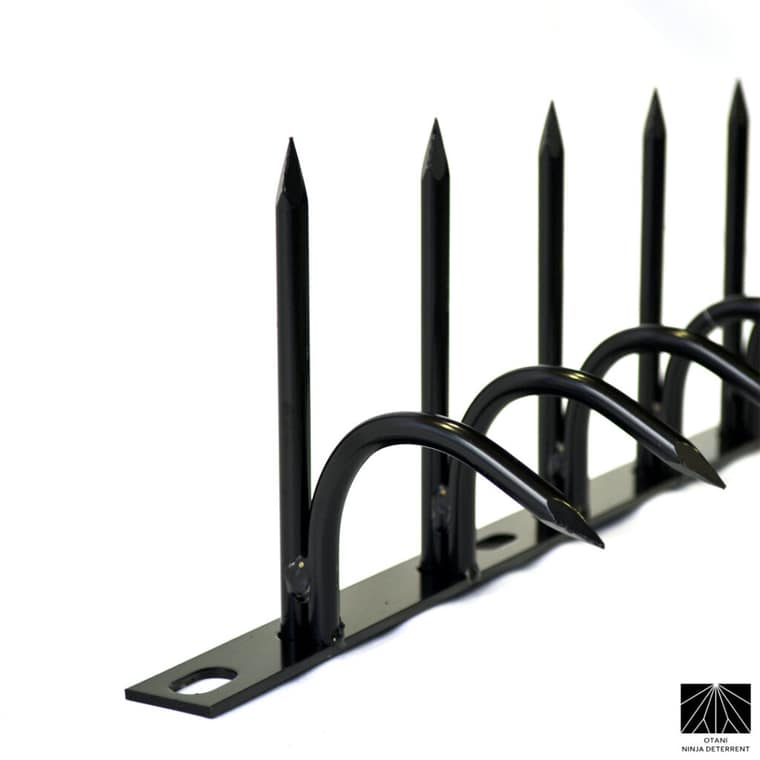
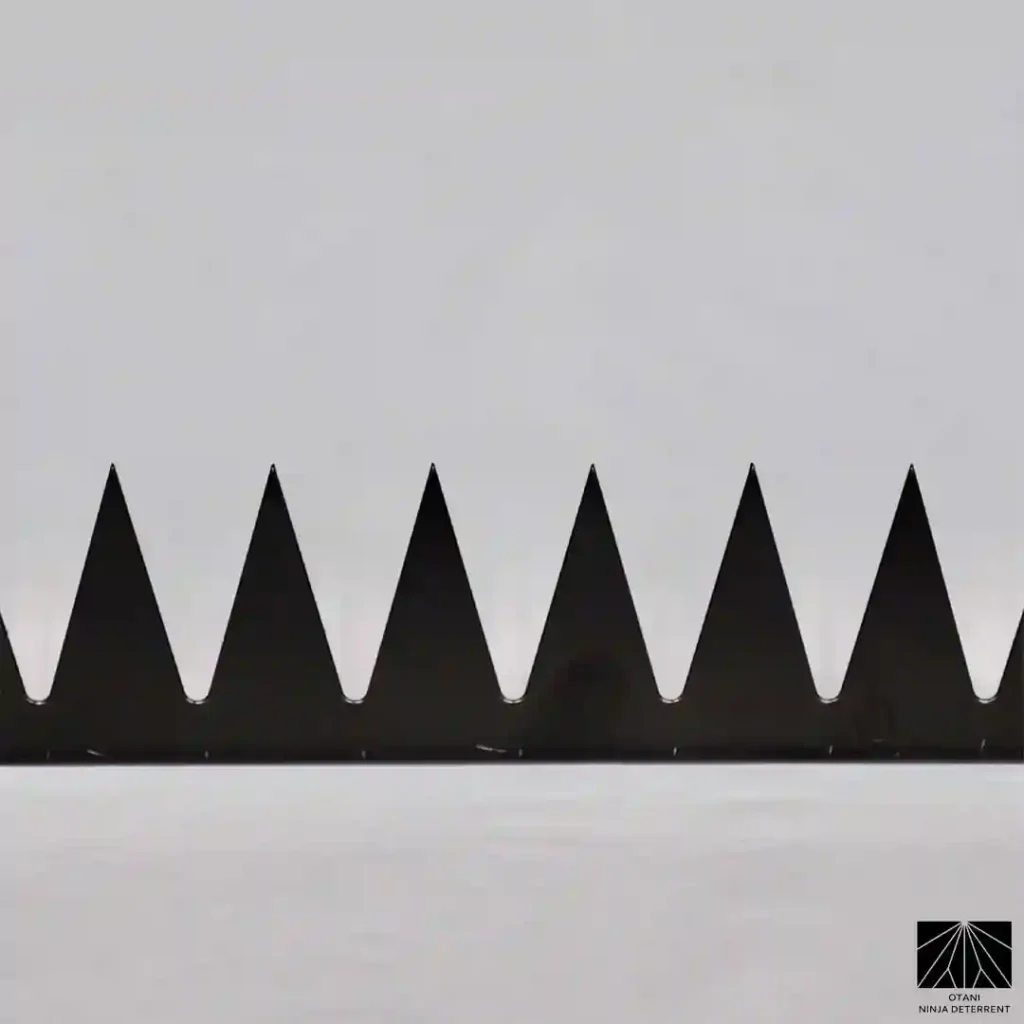
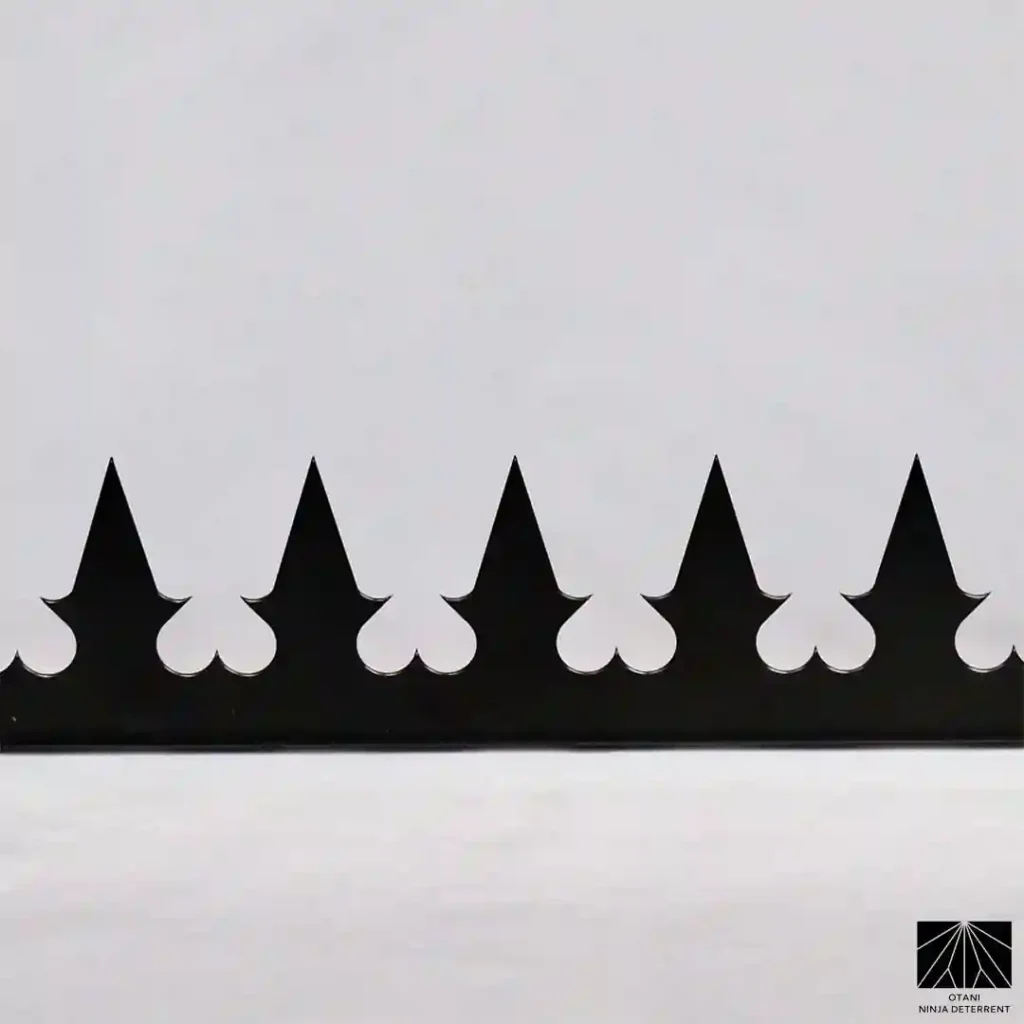
"Perfect security" does not exist. But a home that makes a burglar decide "I'll try somewhere else" is very achievable, and a well-designed physical barrier is one of the most reliable ways to get there. Decorative anti-climb spikes let you do this without turning your home into a fortress — the Classic line suits traditional walls, the Modern range fits clean contemporary lines, and the Gothic series adds a deliberately uninviting silhouette.
A burglar gives up when getting in looks like more time, effort or risk than the reward is worth. In the UNC Charlotte study of 422 offenders, more than 75% described their break-ins as opportunistic, and around 60% said they would choose a different target if an alarm was present. Anything that raises exposure at the boundary pushes the decision toward walking away.
Most are opportunistic. In the UNC Charlotte research, more than 75% of offenders described their break-ins as unplanned rather than premeditated. This matters because opportunists are looking for an easy, low-risk target, so a home that simply looks like more trouble than its neighbours is often enough to be passed over entirely.
Burglars respect deterrents they judge to be real and physical. Alarm systems were weighed by roughly 53% of offenders and security cameras by roughly 50%, while signs or stickers alone carried weight for only about 25%. The takeaway is that genuine, physical measures change behaviour, whereas bluffs that can be ignored or covered do not.
It is fast. Entry itself usually takes under a minute, and burglars typically spend only 8 to 12 minutes inside, according to FBI figures. Because the whole event is so brief, adding even a few minutes of exposed, uncertain effort at the perimeter has an outsized effect on whether an offender decides a target is worth attempting.
No. There is no single reliable statistic for how often anti-climb spikes specifically turn a burglar away. The case for them rests instead on well-documented offender research showing that burglars consistently avoid effort, exposure and physical risk — all three of which a physical barrier raises at the most vulnerable moment of a climb.
Target displacement is when a burglar judges a property too much trouble and shifts to an easier home nearby. Criminologists treat it as a recognised effect of visible deterrents. From the perspective of protecting your own property it is exactly the outcome you want: you do not need a fortress, only a target that compares unfavourably with the alternatives.
Want a deterrent that suits your wall rather than fighting its design? Browse the Classic, Modern and Gothic ranges, or tell us your wall dimensions and style for a tailored fit via our custom order service.

Written by
Kojiro OtaniFounder of Saitani-Ya Co., Ltd. and creator of the Ninja Deterrent® brand. Drawing on Japan's tradition of shinobi-gaeshi, he designs and manufactures anti-climb security spikes that pair real deterrence with architectural beauty — writing from first-hand experience in their engineering, production, and real-world installation.
Jul 22, 2026
See anti-climb fencing installed across Los Angeles — Venice alleys, Laurel Canyon hillsides, Hollywood stucco coping, Santa Monica glass. Real LA jobs.
Jul 12, 2026
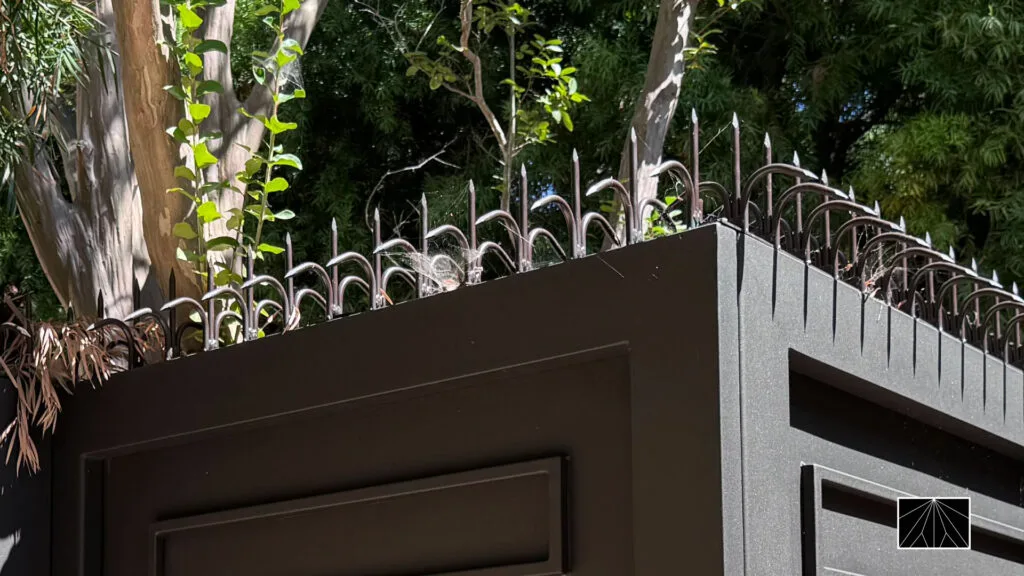
Explore anti-climb spikes for walls and fences. Compare types, materials, and aesthetics to find the best security solution, featuring premium options like Ninja Deterrent.
Jul 11, 2026
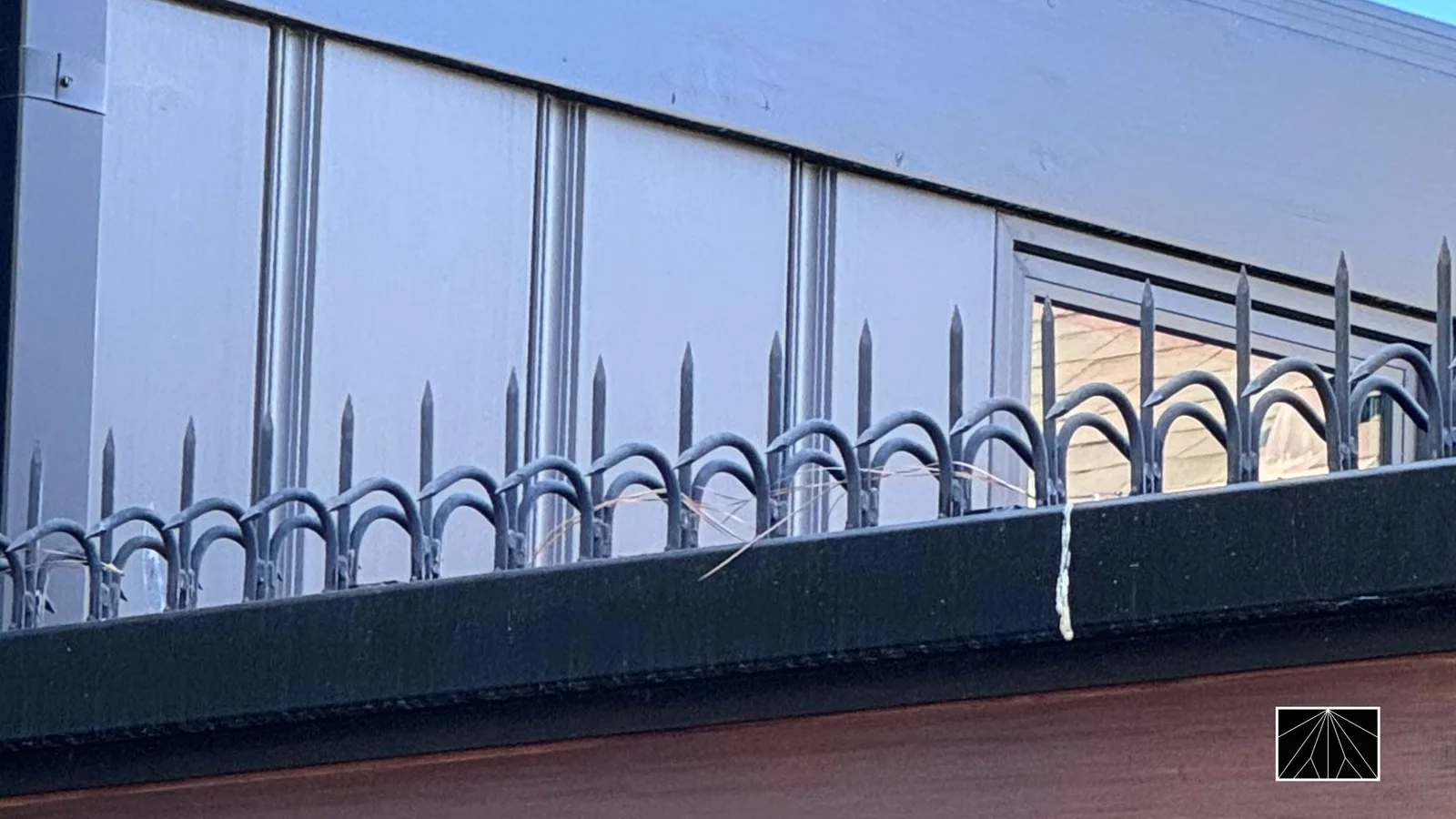
Discover how visible anti-climb deterrents, like Ninja Deterrent's architectural spikes, enhance home security beyond alarms. Learn their role in preventing burglaries.
Choose a series and a wall, then place it life-size in your own space with AR — before you order.

Choose a series and a wall, then place it life-size in your own space with AR — before you order.
Our standard series not quite right? We design and manufacture fully custom anti-climb systems tailored to your exact specifications — unique profiles, dimensions, materials, and finishes.
For general inquiries about our products or consultation regarding installation, please contact us.
Schedule a free online consultation with our team. Pick a time that works for you — available slots are shown in your local time zone.